This “News Letter” no. 13, was written in August 2014 Mahābalipuram – South India
Food, a path towards the fullness…
Food plan for a yogi…

Recall of some Western General principles
- Essential: breakfast
- Not to be hungry or want to eat between meals
- Promote the intake of protein in the morning and midday (but not exclusively)
- Promote the intake of carbohydrates in the evening (but not exclusively)
- Principe du double de céréale, par rapport aux légumes, midi & soir
- If possible soup at noon and in the evening
- Never eat less in anticipation of an evening meal at a restaurant
- Never skip breakfast the day after a meal at a restaurant
- Drink good quality water (alcohol – wine, beer – promotes the formation of fat)
- Bananas, pasta, rice, potatoes do not make you fat
- Eggs are not bad for cholesterol
- Don’t shut yourself up in these rules and continue to live happily
General Ayurveda principles
The Sanskrit word for food, “annam“, means, “What comes out of the Earth, produced with spring water, sun and wind.”
Annapurna, the Goddess of food is one of the names of Pārvatī, the consort of Śiva. According to Āyurveda, the essence of the universe is expressed through the six flavours included in food : sugar, acid, salty, pungent, bitter and astringent.
The essential yogic attitude concerning food and diet is moderation.
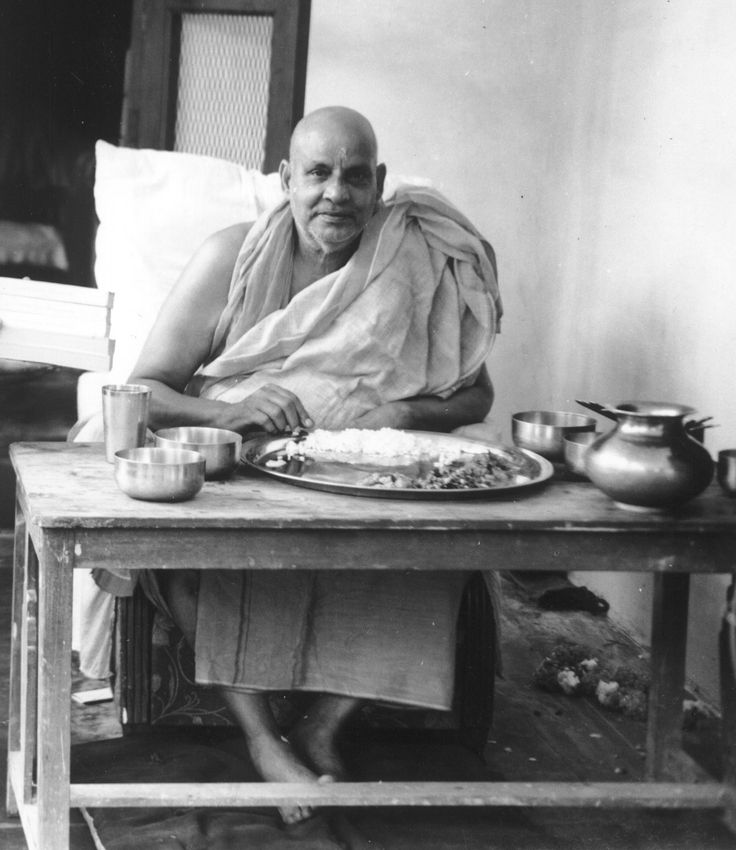
“Eat moderately what you know from experience, is pleasant and digestible for you. Simple food is the best.” Swami Sivananda
The three kinds of food
The food preferred by each of us is also subject to three kinds, as are the sacrifices, austerities, and charity. Listen now to the distinction between them. (17.07)
Foods that increase longevity, virtue, strength, health, happiness, and joy, are tasty, substantial and nutritious. People who belong to the goodness mode prefer these foods. (17.08)
Foods that are bitter, sour, dirty, very hot, spicy, dry and burning; that cause pain, grief and disease; are preferred by people of passion mode. (17.09)
Foods preferred by persons belonging to the mode of ignorance are spoiled, without flavour, tasteless, rotten, made with remains, and impure (like meat and alcohol). (17.10)
Bhagavad Gītā, chapter 17, verse 7 to 10.

Dietetics and Yoga
Yogi food is vegetarian. This food diet is well balanced; it will satisfy all the nutritional needs of the practitioner to obtain balance of the body, the mind and the soul (Sri Aurobindo would say the Supra-mind).
Eat clean, correct food (organic, non-polluted), a reasonable amount, with an inner attitude of welcoming, at a regular time, is a perfect nutritious mode for a yogi. This food will help support the intensity of the yogi sādhanā (practice of the āsana (s), prāṇāyāma, etc…), because it keeps both body and mind awake.
The science of yoga has classified food on very old bases and customizes it with the attributes with which we are born: the guṇa (s). This traditional perspective (Yoga, Sāṃkhya, āyurveda and the sacred texts such as the Bhagavad Gītā), consider the three guṇa (s) as the fundamental qualities at the base of all forms of life, the original Nature, Prakṛti (प्रकृति).
The three guṇa (s) are Sattva (calm, balance, purity), Rajas (energy, strength, movement, emotional fluctuations: restlessness, desire), Tamas (rest, inertia, heaviness, darkness).
Sattva : the truth that is attached to happiness and knowledge, the force of balance between Rajas and Tamas
Rajas : has two trends, the positive: the active force of transformation and the negative force passion, agitation, instinct related to impulses
Tamas : also has two trends, passive force which supports (positive) and the negative strength, obscurity which arises from ignorance (avidyā, illiteracy) that chains the living (Jīva) to stupidity, laziness and numbness.
Bhagavad Gītā), chapter fourteen

Sattvic diet
In the sattvic attitude towards eating, the vegetarian diet consists of natural, organic, pesticide-free foods. It is prepared, cooked, but not too much and consumed immediately after cooking. It is not enough that foods are developed and produced in harmony with nature (like biodynamic organic farming) they must also be cooked with love, with a respectful attitude and appreciation for the life energy that this food transmits to us. This sattvic food is easily digested, it allows an alert and calm state of min; it provides energy, increases vitality, strength and endurance. It will promote and sustain good health. Yoga practitioners and researchers of wisdom on the path of spirituality follow this scheme.

Sattvic foods are a balanced combination of whole grains, vegetables, pulses, fresh fruits and vegetables. This also includes dried fruits, milk and milk products (fresh butter), natural sugars such as jaggery and honey, fresh herbs, herbal teas. Are excluded from this type of diet: onions, garlic and mushrooms.
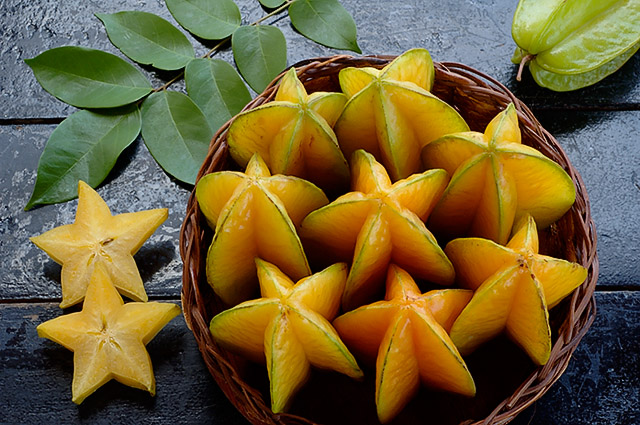
In spices we find, coriander, cumin, fennel, fenugreek, black pepper, sesame, carambola seeds, pomegranate seeds, ginger, basil, mint, cardamom seeds, cinnamon and turmeric. For oils we find, sesame oil, sunflower oil, olive oil, and coconut oil. Obviously all oils are organic and first cold-pressed.
Rajasic diet
Rajasic food is very stimulating for the nervous system, but it destroys the mind-body balance. These foods will cause mental agitation and be the cause of a negative and emotional mind-set leading to circulatory and nervous disorders. We must pay attention to the fact that even the sattvic foods when eaten in haste or with a bad attitude, will create a Rajasic State.

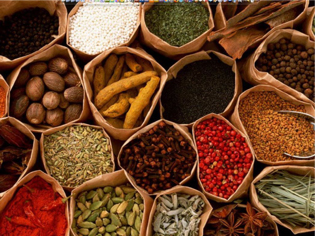
Rajasic food are stimulating and accelerate the metabolism such as coffee, tea, cola, chocolate, refined sugar, tobacco, onions and garlic. They include hot spices (peppers), sour flavours, fried foods, fat, all refined foods and foods with added salt. It also includes food that is simmered for a long time or that is cooked in rich sauces (cream, butter).
To remember, even a sattvic food absorbed too quickly becomes Rajasic.
The Tamasic diet
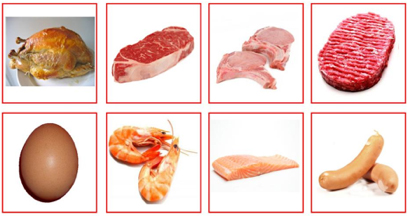
Tamasic food causes a heavy feeling, dull complexion, narrow of mind and lethargy. This way of eating destroys the ability of the body to withstand stress and lowers the body’s defence mechanisms. This type of food contains neither “Prāṇa” nor the energy necessary for a good mind-body balance. Sattvic foods that have burned, who have been reheated several times or eaten in too much quantity become tamasic. Honey should never be cooked because after cooking it becomes tamasic. Similarly overripe fruit become tamasic. Tamasic foods are old, out-dated, stale, burned or overcooked. Meat, fish, chicken, eggs, mushrooms, vinegar and liquor are tamasic.
Bibliography
« The Yoga Cookbook: Vegetarian Food for Body and Mind » by Sivananda Yoga Vedanta Centre (1999), You will find more that 170 recipes that respect the rules of yogi diet. Editor: Simon & Schuster ASIN: B00DO8O66O
¥ « La Bible de l’ayurvéda », by Anne Mac Intyre & Antonia Leibovici (10 September 2012) Editor: Guy Trédaniel Editor (10 September 2012) ISBN-10: 2813204889 ISBN-13: 978-2813204882
Site Web;
¥ http://www.compare-diet.com/ very interesting
¥ http://www.yoga-ayurveda.be cooking lessons and recipes
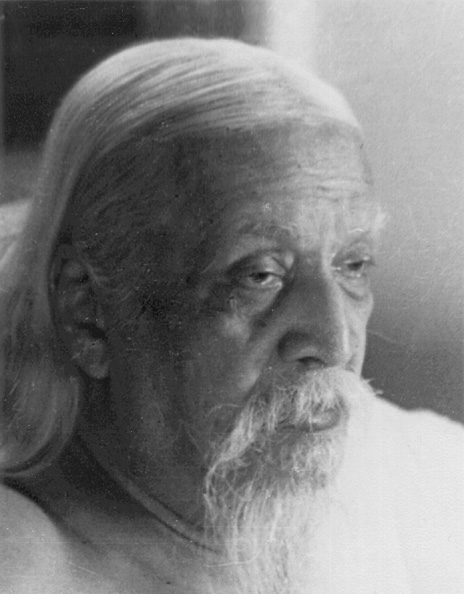
“When sattva wants to intensify, it tries to get rid of rajas by calling for help the tamasic principle of inaction, that is why certain types of men highly sattvic live intensely in their inner being but hardly at all in active life, or else there are incompetent and ineffective.”
Sri Aurobindo, (in: The synthesis of Yogas, tome III, chap.) IX).
Om Shanti,
Jean Claude Garnier