Monthly Archives: November 2014

We recommend that you visit Chennai, a big sprawling town, near Mahābalipuram.

Chennai,

Like many other large towns in India, Madras which has been renamed “Chennai” in 1996 (7 millions inhabitants), may seem at first disconcerting and hostile for the traveller who has just arrived.

Road traffic as in any other Indian town is dense, noisy and colourful. Notwithstanding the town has some charm. The cultural life is vibrant and the beaches are beautiful.

The gateway to South India

In fact to appreciate Chennai one has to accept to spend some time, enough to discover the wealth of its cultural heritage. Though the absence of major monuments means few tourists visit the capital of Dravidian art.

Some of the great and exciting things to do and see in Chennai:

  • Going for a stroll on the immense Marina Beach on a Friday or Saturday after sunset. It attracts a huge crowd of Indians in festive mood. On offer are: shooting, riding horse, foodstalls, drinks (sugar cane juice), merry-go-round for children and adults, shops with flashy and twinkling gadgets. One can also have his or her photograph taken with a cardboard cut effigy of a Bollywood star. Expect a long queue, etc…
  • The Governement Art Gallery, a must see
  • The temple of Kapaleeswarar
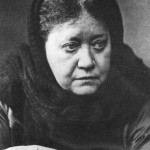
  • the Theosophical Society, south of Chennai
  • the Kollywood Studios which compete with Bollywood in Mombai. The first silent film in Tamil was shot in 1916. The AVM and Prasad Studios are opened to the public.
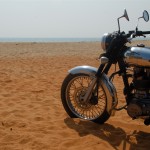
  • The factory of the legendray Royal Enfield motorbikes
  • San Thome Cathedral (St. Thomas), Mount St. Thomas (for its view of the city of Chennai and Little Mount.


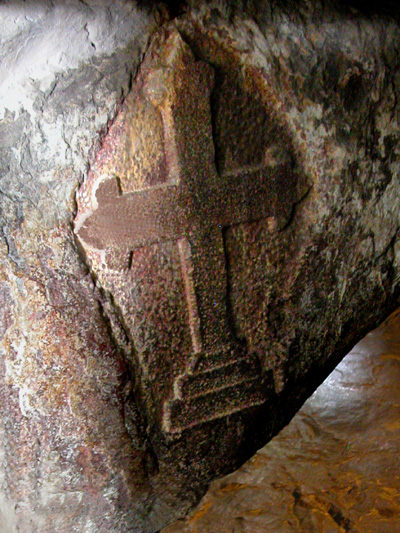
Little Mount.


Warning: Array to string conversion in /home/ashtangarc/www/wp-content/plugins/carousel-without-jetpack/carousel/jetpack-carousel.php on line 252

Individual yoga classes for pregnant women

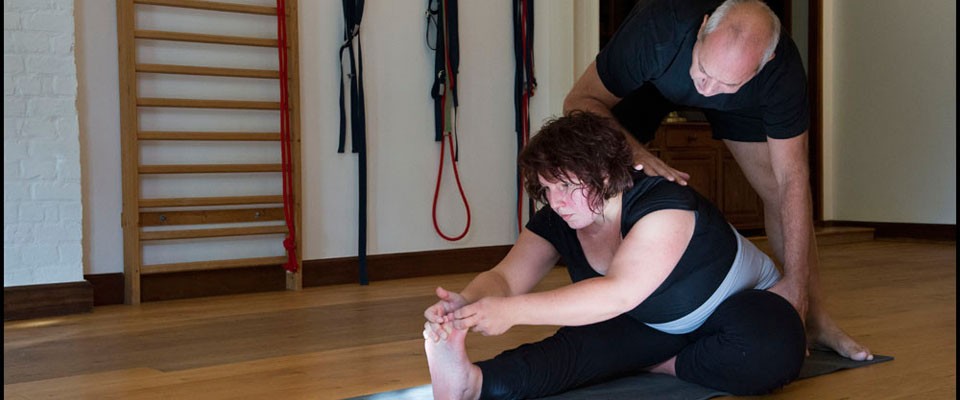
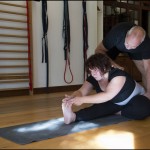
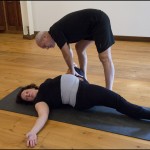
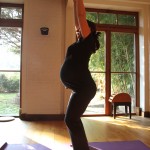
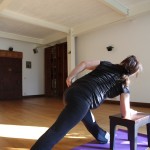
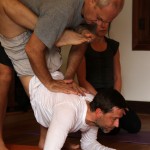
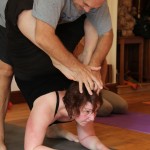
In Brussels, an Individual prenatal yoga class will allow you to interact with your body and your unborn child, alone or in a small group of friends (reservation required)

Prenatal Ashtanga Yoga: you will have the opportunity to get accurate answers to all the questions you might have.

Yoga is an ancient art coming from India. It promotes self-discovery through simple gestures and postures, breathing awareness, relaxation and mind calming.

Taught by Jean Claude Garnier, the prenatal yoga is a special time to take care of yourself and your unborn child.

These classes are adapted to all women – at any stage of their pregnancy (the sooner, the better of course) – who want, thanks to their practice of Ashtanga yoga, to :

  • Relax and release tension
  • Get a better postural balance in everyday life
  • Learn how to synchronize breathing and body movement, and to learn how to listen to themself.
  • Build a strong relationship with themself and their future child.
  • An individual course is tailored to personal needs, body, breath and coordination abilities. A session designed to meet your specific needs with an individual follow-up.
  • Help and facilitate the delivery
  • A fast recovery

This practice enables you to relax and stay focused while working on your body through a number of specific postures. You’ll fully and smoothly experience your pregnancy and its transformation process. You’ll work to get ready for your delivery thanks to specific breathing exercises and the strengthening of your perineum.

 Getting to know your baby

From the beginning of your practice, you’ll feel your baby moving more and more in your belly. Both you and your baby will benefit from these moments of well-being. During these individual classes for pregnant women, you will learn the basics of haptonomy that will help you to bond with your baby. In utero, the baby is already whole person. This class will enable you to dialogue with your future child.

After delivery, Yoga enables you to stay connected with yourself

Birth is a very rich but often a very intense experience. You may want to relax and focus on yourself. Depending on your experience and your personal needs, Yoga classes can resume quickly after delivery. Through private lessons you’ll be able to progressively regain energy and strength in your body. Particular attention will be paid to toning your muscles (the control of the pelvic floor is a significant aspect of Ashtanga Yoga)

For further info concerning pregnancy:


Warning: Array to string conversion in /home/ashtangarc/www/wp-content/plugins/carousel-without-jetpack/carousel/jetpack-carousel.php on line 252

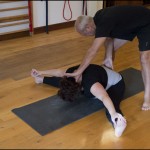
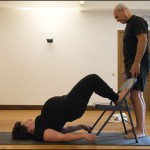
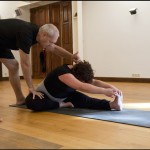
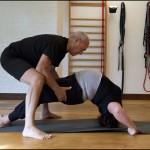
Individual yoga classes for beginners or for advanced practitioners (wishing to get specific coaching)


Warning: Array to string conversion in /home/ashtangarc/www/wp-content/plugins/carousel-without-jetpack/carousel/jetpack-carousel.php on line 252

An individual class is accessible to everyone, especially beginners.

Taught by Jean Claude Garnier, private classes offer an ideal opportunity to better understand the subtle mechanisms of yoga and enjoy its numerous benefits.

These courses are particularly suitable for people who have stopped their sport and physical activity, and who wish to regain it through the practice of Ashtanga yoga :

  • Tonus, relaxation, tension relief
  • Better postural balance
  • Synchronization of breath and body movement that will help you listen to yourself and build a healthy relationship with yourself, and with others
  • An individual class completely tailored to your personal/body capacities, breathing and coordination. A session designed to meet your needs with an individual follow-up.

This individual practice will allow you to gain :

Harmonization:

The basic practice will facilitate a harmonious relationship body/breath.


Restructuration :

  • It allows beginners and experienced practitioners, through a proper use of breath, to improve postural and breathing practices.
  • A personalized therapeutic support to relieve discomfort and injury

Individual classes for advanced practitioners

You will improve/deepen your Ashtanga Yoga practice. This class will enable you to receive a personal “training” focused on a better adjustment in the advanced series (second, third and fourth series …), both in the postures and in the Vinyasa.

You will be able to get precise answers to all the questions you may have


Warning: Array to string conversion in /home/ashtangarc/www/wp-content/plugins/carousel-without-jetpack/carousel/jetpack-carousel.php on line 252

Prices for the lessons Yoga Ashtanga Institute 2025/2026

Single course
Required membership
1 lesson / trial lesson
1 private lesson
Price
30 €
30 €
100 €
 
Valid 1 year from September to September
1h30
1h only by appointment
Card
12 lessons
24 lessons
36 lessons
Price
190 €
340 €
450 €

Or 16 € the course Valid 3 months
Or 14 € the course Valid 3 months
Or 12,5 € the course Valid 3 months
Subscription
Annual 1 class / week
Annual 2 class / week
Price  
670 €
1200 €
1600 €

Valid 1 year from September to september
Intensive Morning
1 morning
2 mornings
10 mornings
Price
65 €
120 € 
560 €

3h
3h x 2 the samee week-end
Valid 1 year from September to June
Workshop in India
Half session
One session
Two sessions
Three sessions
Trainning
Price
280 €
460 €
850 €
1250 €
1460 €

One week from monday to friday (morning)
Two weeks from monday to friday (morning)
Three weeks from monday to friday (morning)
Six weeks from monday to friday (morning)
Four weeks from monday to friday (morning+afternoon)
Workshop in Greece
Athens – October / November
Athens – April
Athens – June / July
Price
Ask
Ask
Ask

nikzog70@gmail.com  00 30 69 77 80 92 21
katarizou@gmail.com  00 30 69 97 90 22 90

The room is equipped with a ventilation system, an air purifier device that measures the air quality with UV treatment

Payment in Euros by :
International postal order (Very low cost) addressed to :
JCG – SCS, Ashtanga Yoga Institute
Chaussée d’Alsemberg, 610
1180 Brussels – Belgium
Bank transfer – Bank :
ING – Uccle DE BUE – 1180 Brussels –
Telephone: 00.32.2 348 47 80 – Fax: 00.32.2 348 47 89
SWIFT or BIC de la ING : BB RU BE BB 
IBAN: BE 34 3630 0145 0390
Account n° ING 363-0014503-90Cancellation fee: 100 € per person

You can gather a small group of friends (3 or 4 people) and discover Ashtanga Yoga together. Choose the time of your lesson and organize a session adapted to your needs, learn the basics or go deeper into the method.

The instruction given at the Ashtanga Yoga of Brussels is true to the Yoga Korunta transmitted by Sri K. Pattabhi Jois at the l’Ashtanga Yoga Research Institute in Mysore – Karnataka South India.

Teachers who regularly gives classes at the Ashtanga Yoga Institute are: Jean Claude Garnier, Jan Janssen, Sergine Laloux, and the team of substitute teachers: Annette, Bernadette, Catherine, Ivan, Mary, Simon …

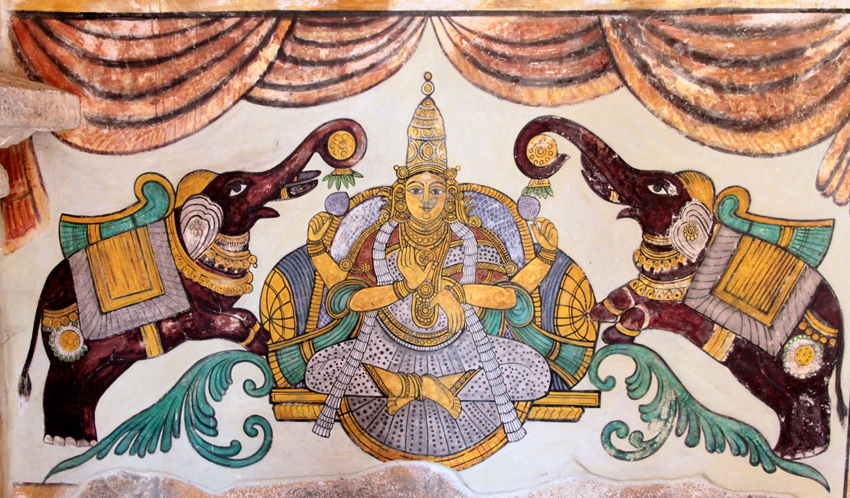
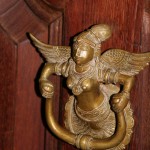
Gaja Lakshmi

Gaja Lakshmi

Financial difficulty ! So it is not an obstacle, contact the Institute by mail or letter.


Warning: Array to string conversion in /home/ashtangarc/www/wp-content/plugins/carousel-without-jetpack/carousel/jetpack-carousel.php on line 252

The sequence of rhythmic postures: the sun salutation

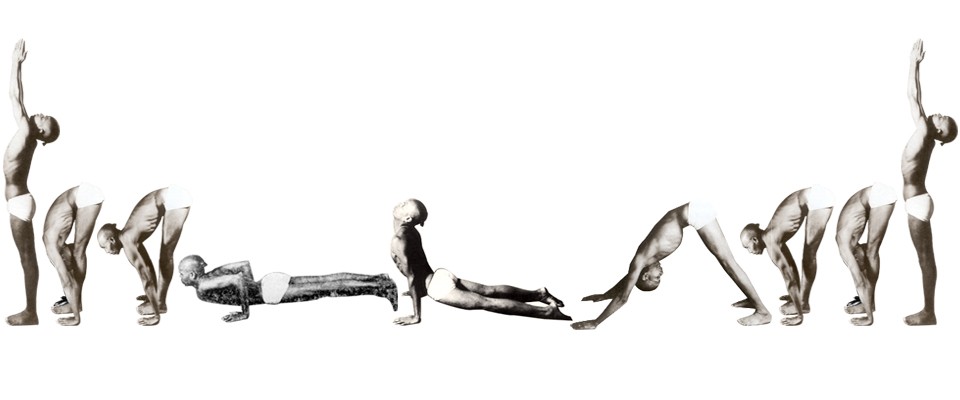
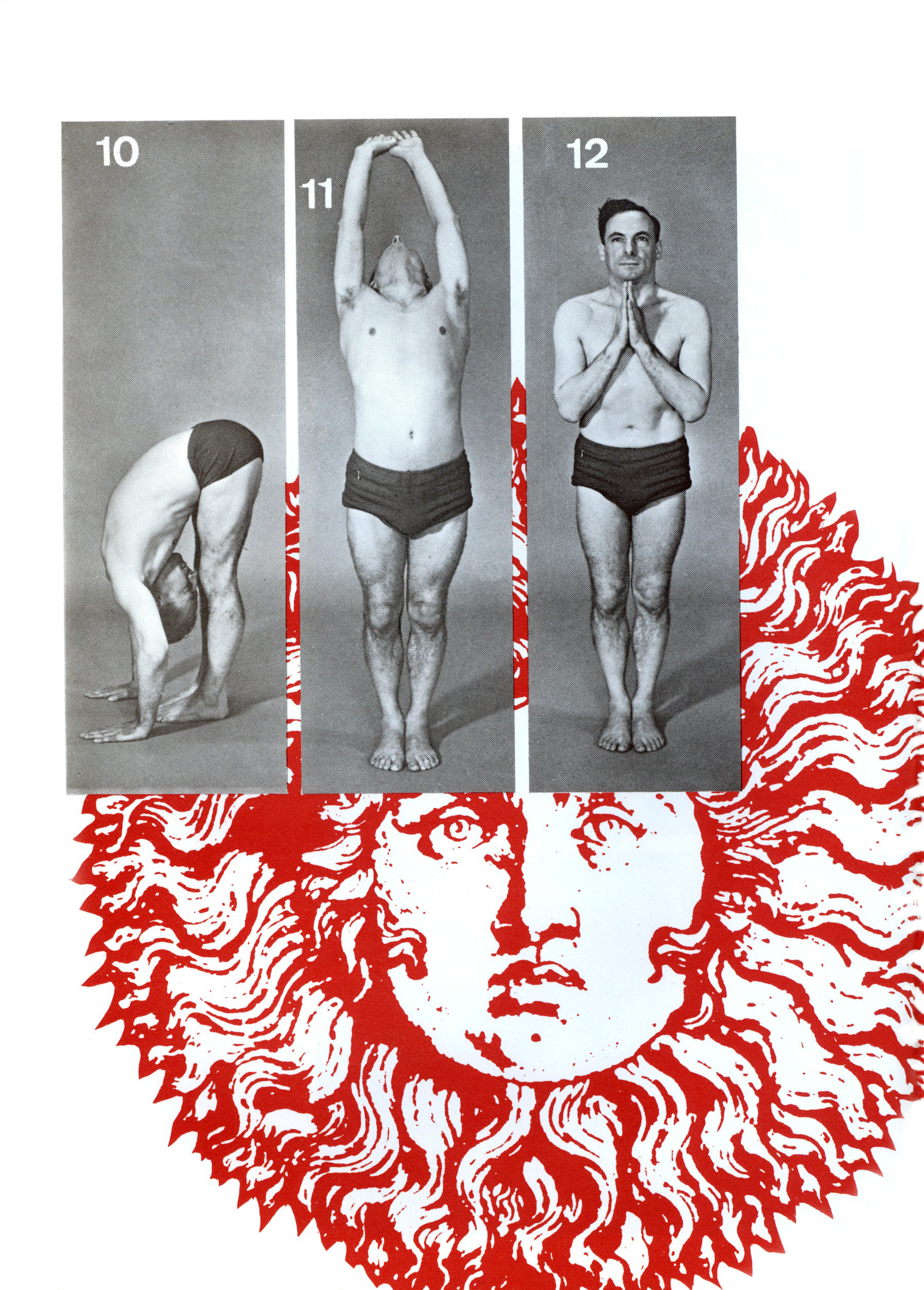
The Sun Salutation or Sūryanamaskāra is a dynamic sequence of postures; it is a ritual in honor of the rising sun. This prepares the postural work that gives warmth to the body, the heart and soul.
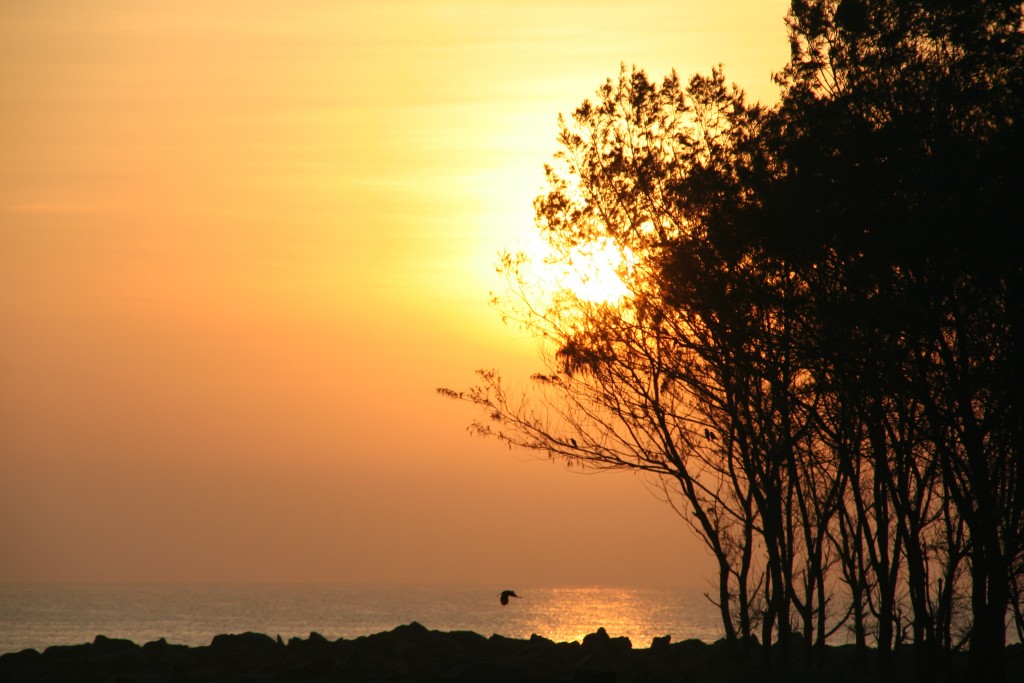
Sunrise at Mahabalipuram

Sunrise at Mahabalipuram

Originally, the Sun Salutation is a ritual, a morning prayer, in honor of the rising sun.

“Surya” (sun) and “Namaskara” (salutation), and “prostration” are Sanskrit terms. This dynamic sequence of postures is native to Iran; it arrived in India with the Parsi, who consider the Sun Salutation as a religious duty.

The sun salutation is used in the Ashtanga Yoga

The notorious Mysore salutations, called “A” & “B” have been transmitted by Sri Krishnamacharya & Sri Pattabhi Jois. These greetings serve as a transition between postures and as a postural preparation.

  • Warm-up (muscles)
  • Release of large articulations
  • Limbering up of the spine
  • Exercises done with the synchronization of the breath (Viniyasa)

“ if the government itself understood its usefulness, and made the practice of yogāsana, the Sūryanamaskāra, and their traditions compulsory for all students in all educational institutions, boys and girls, it would help to render their lives pure, it would be render a great service to the world ”.
Sri K. Pattabhi Jois

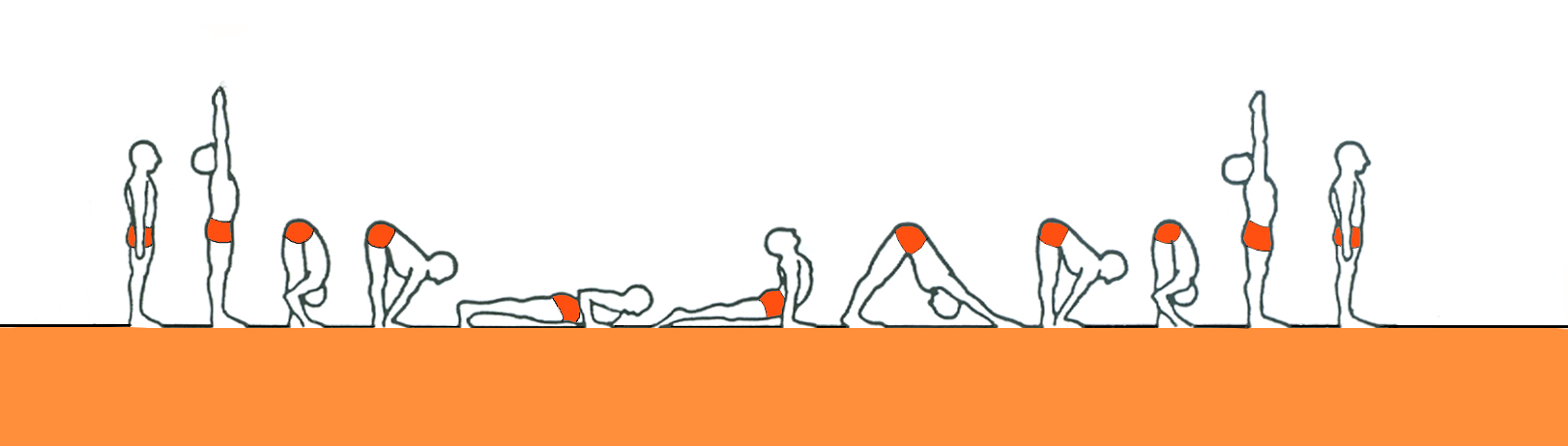
 Sūrya Namaskāra A :

Tadāsana, Uttanāsana A, Uttanāsana B, Chaturanga Dandāsana, Ûrdhva Mukha Svanāsana, Chaturanga Dandāsana, Adhomukha Svanāsana, Uttanāsana B, Uttanāsana A, Tadāsana, Samasthitiḥ.
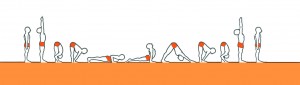
Salutation au soleil A

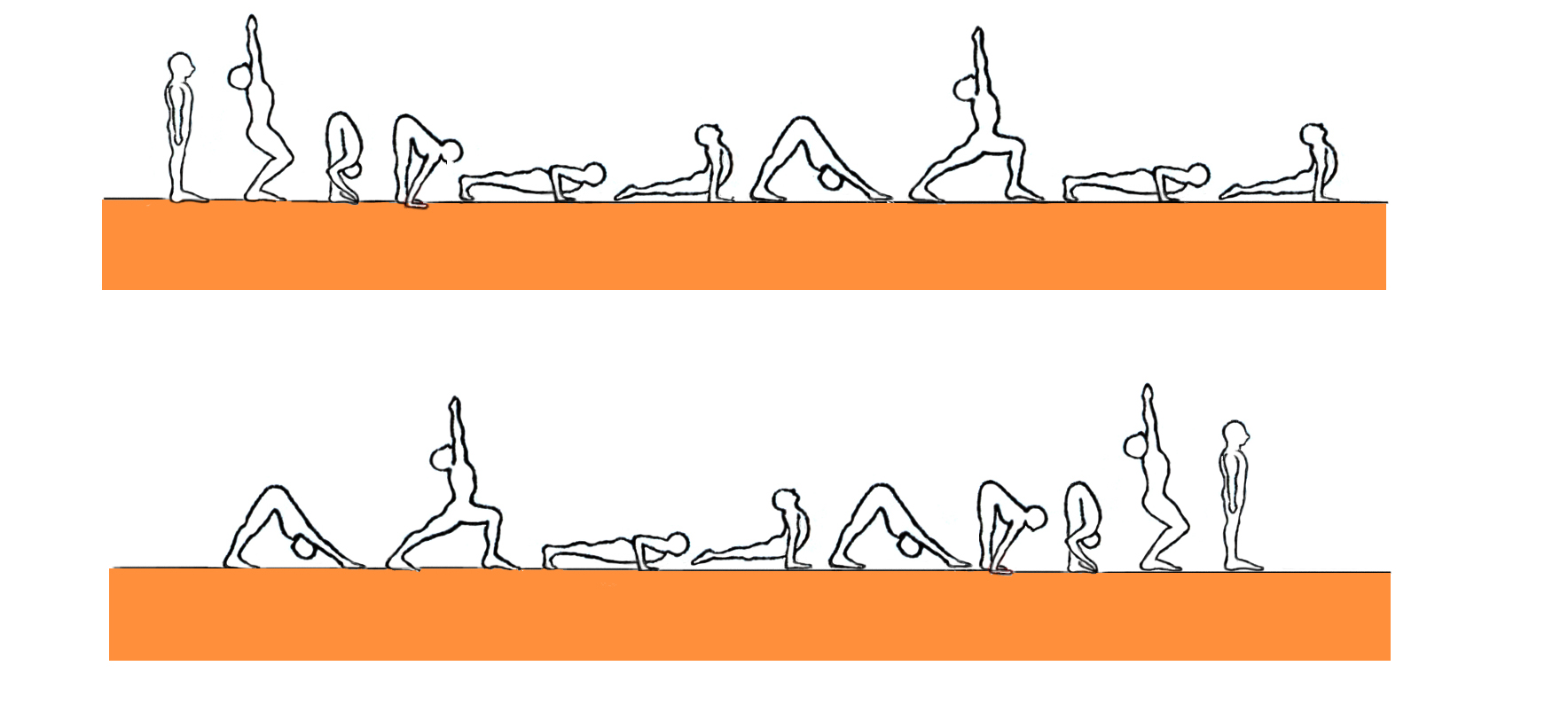
Sūrya Namaskāra B :

Tadāsana, Utkatâsana, Uttanāsana A, Uttanāsana B, Chaturanga Dandāsana, Ûrdhva Mukha Svanâsana, Chaturanga Dandāsana, Adhomukha Svanâsana, Vīrabhadrāsana A, Chaturanga Dandāsana, Ûrdhva Mukha Svanāsana, Chaturanga Dandāsana, Adhomukha Svanâsana, Vīrabhadrāsana A, Chaturanga Dandāsana, Ûrdhva Mukha Svanāsana, Chaturanga Dandāsana, Adhomukha Svanâsana, Uttanāsana B, Uttanāsana A, Utkatâsana, Samasthitiḥ.

There is therefore always a movement during which we inhale followed by one during which we exhale.
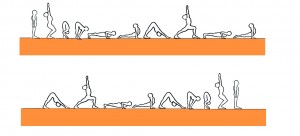
Salutation au soleil B

Benefits of practicing Sūryanamaskāra (The Sun Salutation)

Regular rhythmic practice (every day) will gradually provide you with perfect health:

  • It softens and strengthens the muscles of the body
  • It activates intestinal regulation by increasing digestive fire
  • It purifies and develops the lungs and heart

Sūryanamaskāra will help you develop willpower, stamina, mental strength; all of them are qualities that are essential to achieve the goal of Yoga. It is a meditation in action.

All yoga practitioners know the Sun Salutation

Power Yoga, Vinyasa Yoga, Vinyasa Flow and other Yoga methods use the Salutation.

This is “the” Yoga technique that uses the cardiovascular system. It provides heat and considerable energy. André Van Lysebeth quickly taught the sun salutation to increase heartbeat and heat.
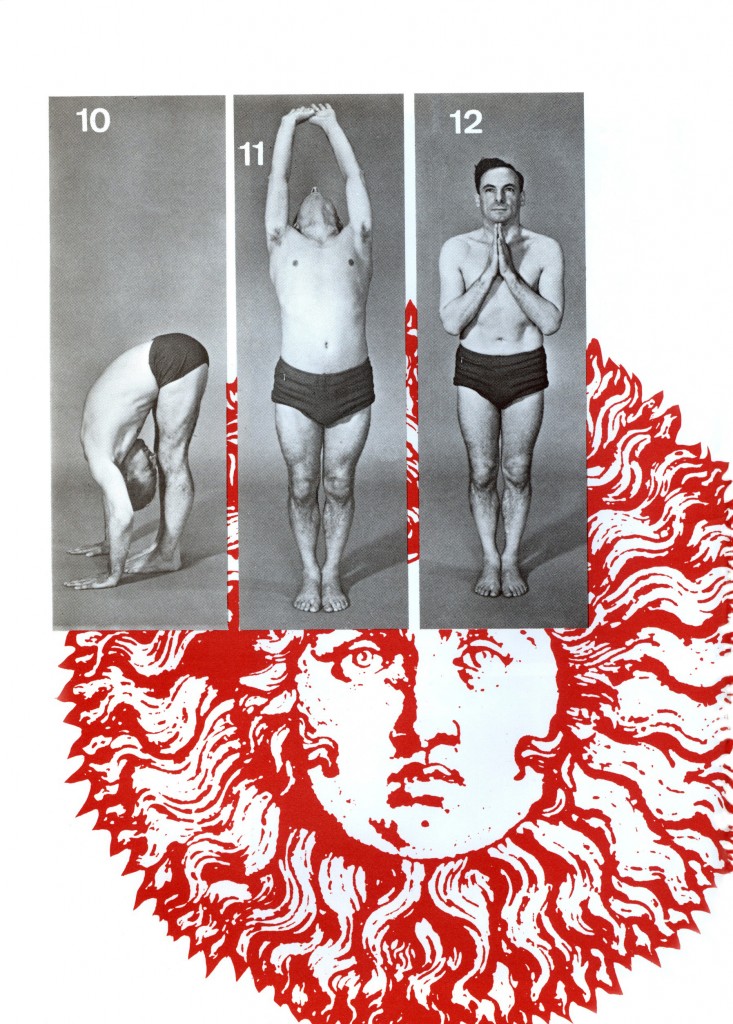
Sūryanamaskā, André Van Lysebeth

Sūryanamaskā, André Van Lysebeth


Other forms of salutations according to traditions

There are Buddhist or Muslim salutations, the Tibetan prostrations (“The Five Tibetans”). In India there is the Raja Aundh salutation, originating from Sivananda, which is well known in Europe thanks to André Van Lysebeth.

Finally, less known, is the Moon Salutation used in the Tantric tradition (Chandra Namaskara)

Warning: Array to string conversion in /home/ashtangarc/www/wp-content/plugins/carousel-without-jetpack/carousel/jetpack-carousel.php on line 252

Information about Ashtanga Yoga classes

You should arrive 5 to 10 minutes before the class starts. Registration and payment is done with the teacher after the class.

All classes last an hour and a halfClasses are given throughout the year from September to July. They are progressive but it is possible to join a class at any time during the year.

The intensive mornings last three hours.

Before joining an advanced class, please contact us.

Please contact the Institute by phone or email for any general information or for details of private or prenatal classes or about starting a new class. (DO NOT COME TO THE INSTITUTE)

tapis-de-yoga 

Some reminders about the practice of Ashtanga Yoga

  • It is essential that you arrive on time. The series starts with the warm-up.
  • You must have to practice on an empty stomach.
  • Your clothing needs to be comfortable, light and flexible. You will practise barefoot.
  • You don’t need to be supple, it is the yoga that will make you supple
  • Please turn off your phone.
  • If you have injures, are pregnant or are under medical treatment, please inform the teacher before the class.
  • Avoid wearing strong perfume.
  • Flip-flops or shoes are not allowed in the yoga studio.
  • It is not Bikram Yoga; it is preferable not to drink any water just before or during class. After class it is recommended to wait 20 to 30 minutes before drinking water
  • Be prepared to sweat !
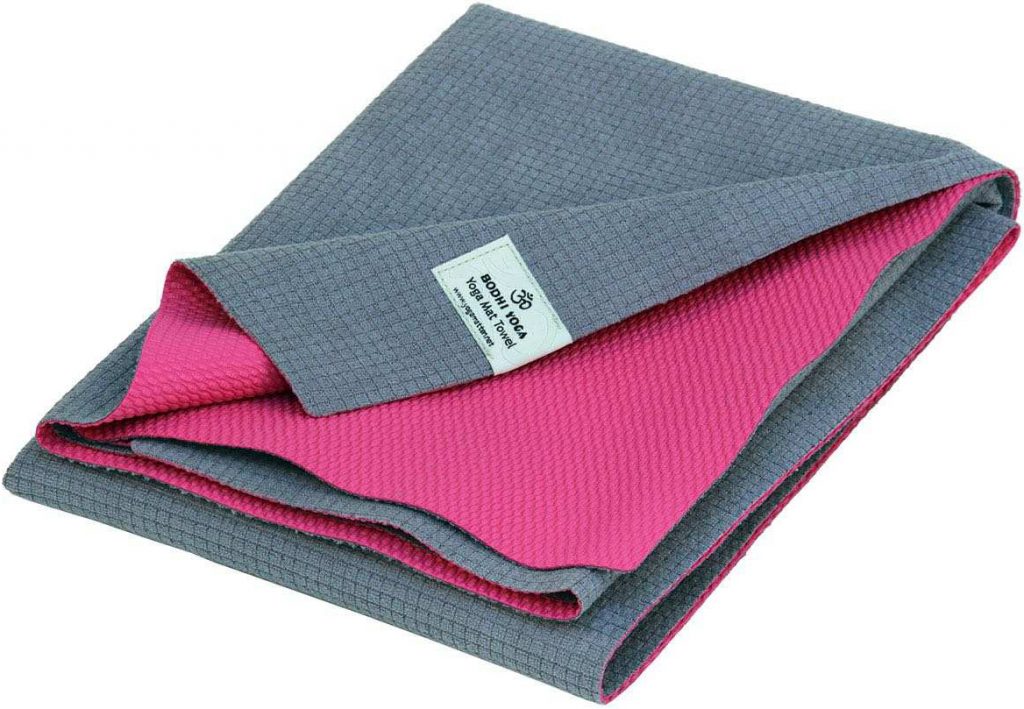
    If you are lucky enough to sweat a lot, it is necessary to have a personal yoga towel ( Taille : 183 cm X 60 cm) to place on the mat to protect it. The towel can be washed after each practice easily … The Yoga towel has a microfiber side, which will absorb perspiration during practice and a rubber face to avoid slipping during postures of supports etc. Attention: Washing of a microfibre towel: 40 ° maximum – No dryer or dry cleaning, no bleach or softener.

Warning: Array to string conversion in /home/ashtangarc/www/wp-content/plugins/carousel-without-jetpack/carousel/jetpack-carousel.php on line 252

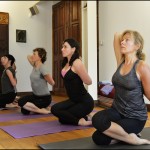
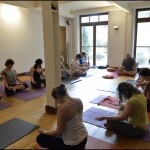
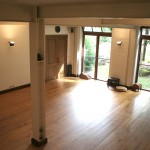
The Ashtanga Yoga Institute studio in Brussels


Warning: Array to string conversion in /home/ashtangarc/www/wp-content/plugins/carousel-without-jetpack/carousel/jetpack-carousel.php on line 252

Warning: Array to string conversion in /home/ashtangarc/www/wp-content/plugins/carousel-without-jetpack/carousel/jetpack-carousel.php on line 252

Warning: Array to string conversion in /home/ashtangarc/www/wp-content/plugins/carousel-without-jetpack/carousel/jetpack-carousel.php on line 252

Warning: Array to string conversion in /home/ashtangarc/www/wp-content/plugins/carousel-without-jetpack/carousel/jetpack-carousel.php on line 252

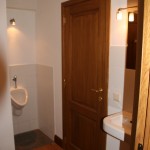
The changing rooms are located at the right of the entrance. There are separate changing rooms for men and women. A shower is at disposal of the students.

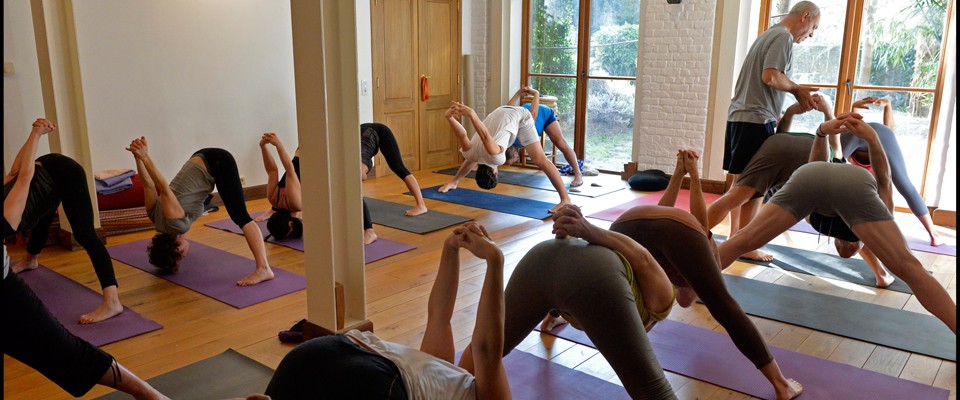
The Yoga studio measures 50m2. The oiled oak hardwood floor is laid on beams in order to avoid ankle and tendon problems. The studio has floor heating for more comfort.

For better comfort the studio is also equipped with floor heating, light dimmers and a mechanical ventilation system, which allows optimum ventilation.

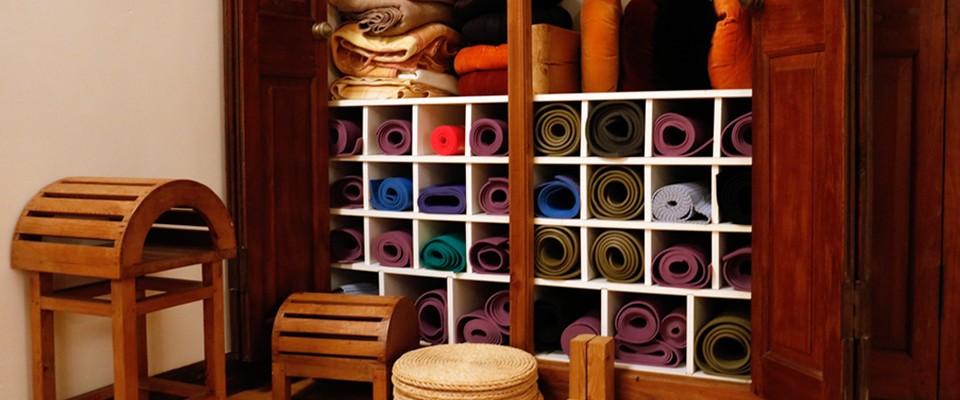
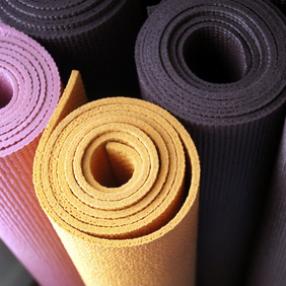
On site, you will be able to use different equipment’s for warm-up and yoga practice, such as yoga mats, blankets for relaxation… Of course you are welcome to bring your own equipment if you prefer.

The yoga reception area

 There is a small kitchen (with a fridge, cooktop, dishes and cutlery) for eating

There are some mattresses for sleeping, if necessary

For your pleasure we have of a library with books on Yoga available on-site

For your convenience there is WIFI available on the premises


Warning: Array to string conversion in /home/ashtangarc/www/wp-content/plugins/carousel-without-jetpack/carousel/jetpack-carousel.php on line 252

Become an Ashtanga Yoga professor thanks to the training given by the Ashtanga Yoga Institute in Brussels

The Ashtanga Yoga Institute in Brussels perpetuates the teachings of Sri K. Pattabhi Jois. Since 1973, Jean Claude Garnier trains students, in Europe and Asia, to deepen their knowledge about Yoga. Some of the students will find a calling and become a Yoga Professor and in turn, transmit the art of Yoga.

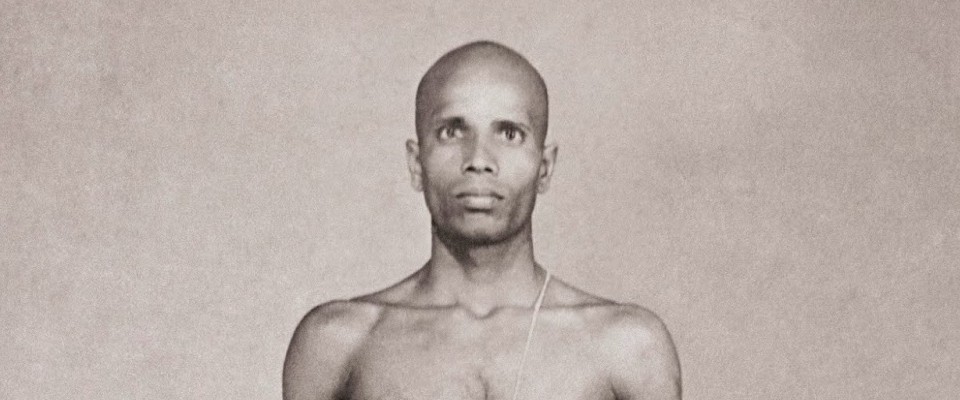
The Institute is open to different currents of Yoga. Jean Claude Garnier pursues the transmission of Ashtanga Yoga as taught by Krishnamacharya and his disciples B.K.S. Iyengar, and Sri K. Pattabhi Jois.

Sri K. Pattabhi Jois

Sri K. Pattabhi Jois

Training and recycling as a Yoga professor, who is concerned ?

  • People who practice Yoga and wish to deepen their self-knowledge in order to obtain a better body and mind balance
  • Those who wish to deepen their approach of the tradition of Yoga
  • Future teachers who wish to teach Yoga in Europe – this requires a commitment to a course of minimum 5 modules
  • Existing Yoga teachers who wish to broaden their personal knowledge with an ancient and dynamic method
  • Yoga teachers who have the obligation to improve and develop their existing skills

How does the training with personal monitoring take place ?

  • You deepen your knowledge of the practice of Yoga: first, second and third series
  • You study Yoga and its philosophy
  • You learn to observe during classes (group and private classes)
  • You progressively assist the teacher during classes
  • You will be supervised as of your first class, in order to answer your questions.

How to obtain a diploma

The Yoga teacher training consists of a set of modules.

At the end of each module there is a practical and theoretical evaluation.

Once you have successfully passed a module, you can move on to the next one.

You need to complete a minimum of 5 modules (A, B, C, D, E, F) and write a thesis which summarizes your studies and research on one of the aspects of Yoga.

This diploma is a requisite to :

  • Practice the profession in European countries
  • Teach in a recognised Institute
  • Register to the national professional database
  • Get an insurance
  • As an asset for your students

 European PDF laws

European Yoga Union: http://www.yogaeurop.com/index.php?categoryid=21

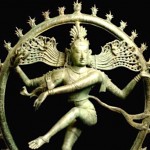
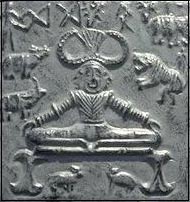
Proto Shiva, of the Indus civilization

Proto Shiva, of the Indus civilization

 Content covered during the training

Theoretical documentation will be given to you at the end of each module in electronic version (with an access to “training”)

 Topics

  • Anatomy
  • Physiology
  • Psychology
  • Pedagogy
  • Professional ethics
  • History
  • Etymology
  • Indian sacred texts

Also discussed: communication, oral and written expression, dietetics, lifestyle…

 Course content of Training Module A

  • Postural practice first & second series (Sádhaná Yoga)
Postural foundations, supports, reviewing and improvement of postures and their variations; breathing techniques in postures (pranayama); development of concentration, letting go, individual work and group work, workshops, first trials of teaching.


Theoretical courses

  • Classical Indian Tradition through its Vedic origins
  • Invocations (prayer at the beginning of the class): explanation, its significance and its meaning.
  • Theory and practice of Ashtanga Yoga (Mula Bandha, uddiyana, Ujjayi Pranayama, Vinyasa)
  • Knowledge of anatomy related to postural practice
  • Importance of stretching during Yoga postures
  • Use of Sanskrit during courses
  • Religious festivals
  • The creation of the world (Taittiriya Aranyaka viewed by Veda)
  • The life, work and education of Sivananda, Sri Ramakrishna, Swami Ramdas, Yogi Ram Surat Kumar, Sri Yukheswar, Alain Danielou, Krishnamurti.

Check the PDF files to see the content of the other training modules

Admissions

The admission procedures are common to all schools of the National Federation of Yoga Teachers

To enrol in the first year of training you must:

  • Have practiced Yoga for at least 2 years with one or more teachers and have one of the teachers complete a sponsorship record
  • Be over 18 years old
  • Have a general level of education or equivalent vocational training at high-school level.

When and where:

  • India: the longest training (one month)
  • Greece: condensed training (two weeks)
  • Belgium: all year long (10 weekends from September to June / July)

Warning: Array to string conversion in /home/ashtangarc/www/wp-content/plugins/carousel-without-jetpack/carousel/jetpack-carousel.php on line 252

Addressing and coming out of a posture in Ashtanga Yoga practice (Vinyāsa Krama)

In Ashtanga Yoga practice (Yoga Korunta), there is a precise progression, established with a lot of wisdom, in order to address a posture add also to come out of it. This is called Vinyāsa Krama.

The postures are connected one with another by mini-sequences or complete sequences from the sun salutation (Surya Namaskara).

Ashtanga Yoga_Adho Mukha Svannasana _suryanamaskara_A


In Ashtanga Yoga, the postural work and the Viniyasa have equal importance. At first, we see the postural learning with a simple chain/sequence. Once the postures are known comes the sequences/chaining teaching (the complete Viniyasa).

Srivatsa Ramaswami, old student of Shri T. Krishnamacharya

Srivatsa Ramaswami, old student of Shri T. Krishnamacharya

«Integrating the spirit, body and breathing functions . . . A yogi will know the true joy of the yoga practice . . .Vinyāsa Krama yoga strictly follows the most complete
definition of classical yoga ».

Srivatsa Ramaswami

There are two important factors.

  1. All the postures (āsana) are in an unchangeable order.
  2. As beautifully taught by Sri K. Pattabhi Jois, there are a precise number of synchronised breathing and movement transitions that connect each position (āsana).

The process of Vinyāsa Krama produces an intense internal heat (tapas) that allows purification, and elimination of toxins in the muscles, the organs and the mind. The result is a light body that breaths profound peace, strength and joy.

Practice of Yoga mālā is a true precision work (from latin prae-cisus), in other words «without scission», without division of breathing, movement, concentration, rhythm etc. It is a work of reunification, of unification.


Warning: Array to string conversion in /home/ashtangarc/www/wp-content/plugins/carousel-without-jetpack/carousel/jetpack-carousel.php on line 252

Focused gaze in the Yoga asana (Drishti)


Warning: Array to string conversion in /home/ashtangarc/www/wp-content/plugins/carousel-without-jetpack/carousel/jetpack-carousel.php on line 252

In the Ashtanga yoga practice, the eyes are kept opened. In the same way, like when we drive a car, a motorbike or a bike, we look at the road in the direction where we are going, otherwise… we have an accident.

The gaze in Ashtanga Yoga is the path towards plenitude…

«Oh yogi, do not practise the āsana(s) without dhristi…»
Vāmana Ṛṣi Yoga Korunta

Drishti, is the concentration/focalisation of the gaze on a point on the body during the execution of a posture which is held during several breaths.

The benefits of Drishti in the asana practice :

  1. Develops concentration
  2. Improves the direction of the nervous flow
  3. Gives movement to the connective tissues (tissues that envelope our muscles, also called fascia)

The first verse (sloka) from Yoga Korunta mentions the 9 drishti :

  1. The tip of the nose « Nasagrai »
  2. Between the two eyes (3rd eye)   « Nétriore ma diai »
  3. The navel « Nabit chakaam staté wad chã »
  4. The middle of the hand « Hastha grai »
  5. The middle of the foot « Padãyour grai »
  6. A point situated in the horizontal right « Parsvai yur ho béyur hãpi »
  7. A point situated in the horizontal left « Parsvai yur ho béyur hãpi »
  8. The thumbs, hands together in prayer « Angusta ma diai »
  9. Look at the sky (gaze upwards) in the vertical line of the eyes « Urdhva drishti hi » 

  ” The yogi focuses his/her visual energy between the two eyebrows, with equal time in the inhale and in the exhale that go through the nose, master of his/her sensitive, mental and intellectual faculties, the Wise (noble-minded) reaching towards liberation, his/her ultime end, is separated from desire, from fear and from anger; he is freed forever.”
Bhagavad Gītā, V, 22/28