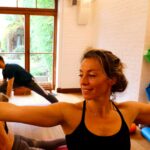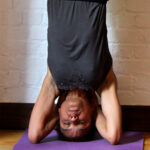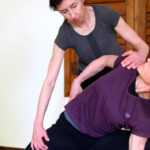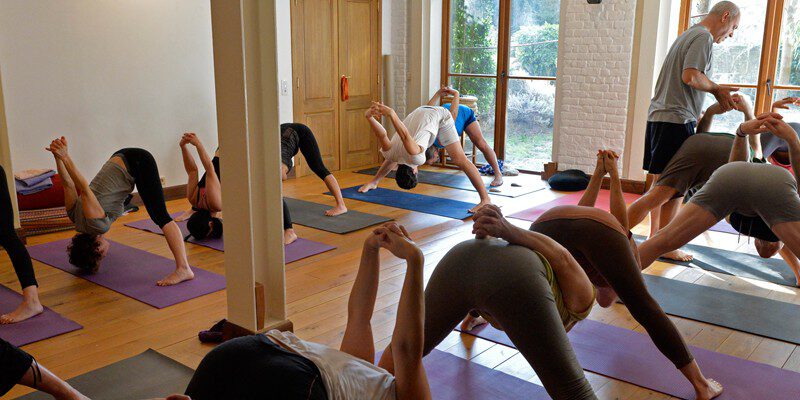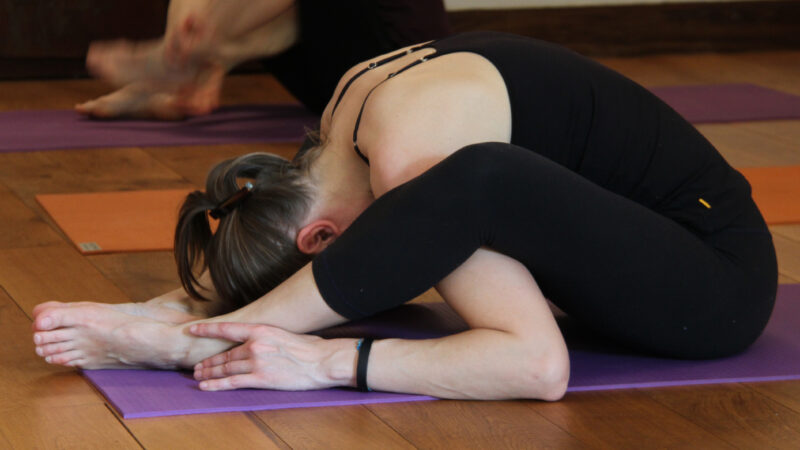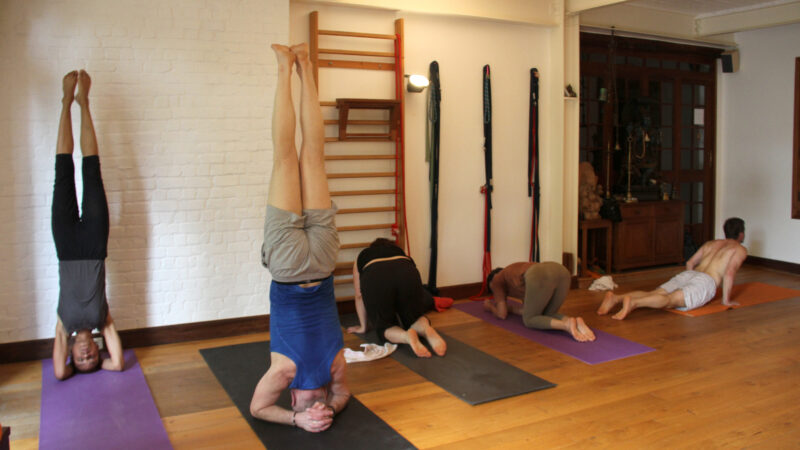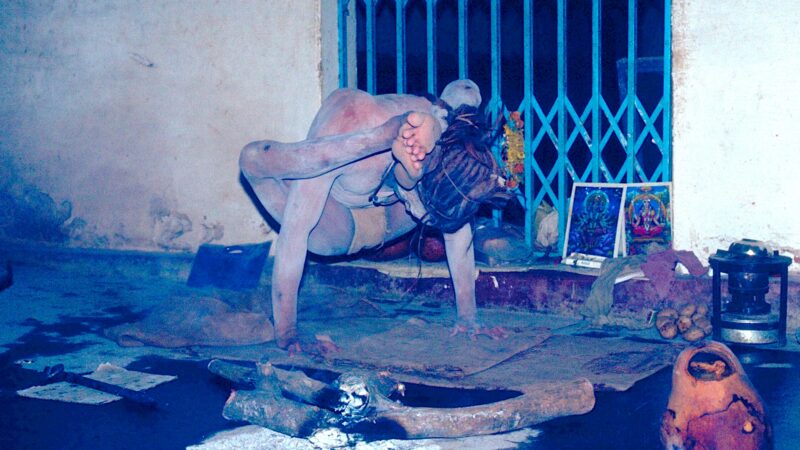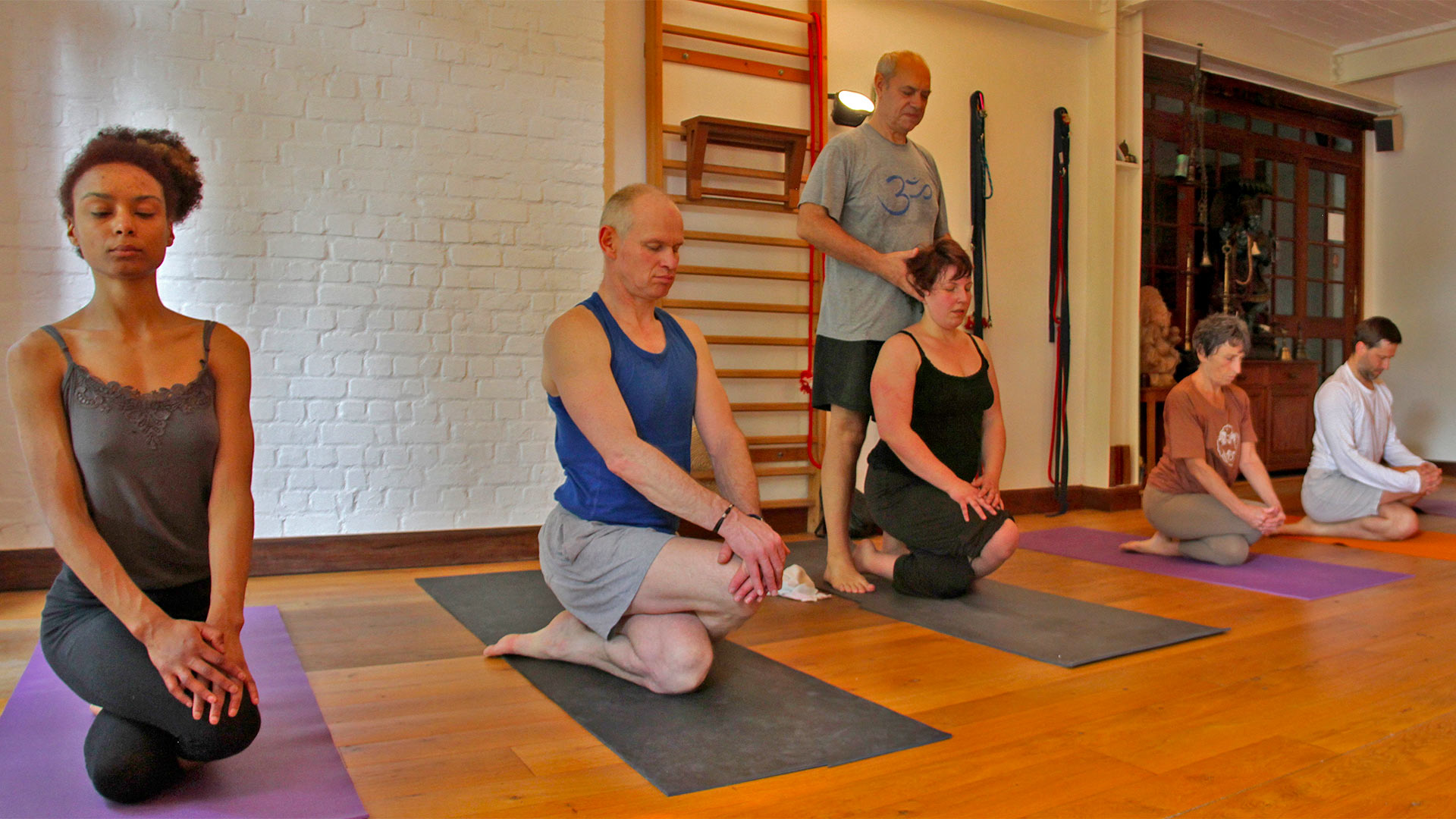
In the heart of Brussels, the Ashtanga Yoga Institute’s room is far more than a space where one comes to take a yoga class.
It was designed as a place entirely devoted to the practice, study and transmission of Ashtanga Yoga, in keeping with the tradition taught by Sri K. Pattabhi Jois.
Every detail of the room — its location, its floor, its heating, its atmosphere, the quality of the air, the materials used and the welcoming spaces — serves the same intention: to create an environment favourable to concentration, respect for the body and the encounter with oneself.
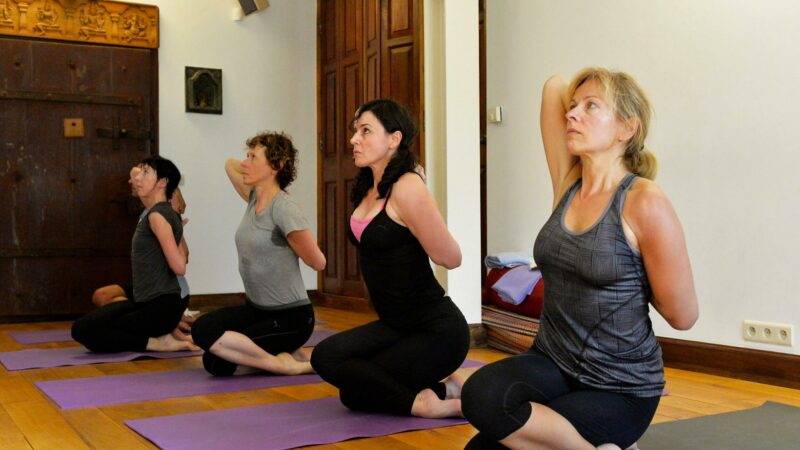
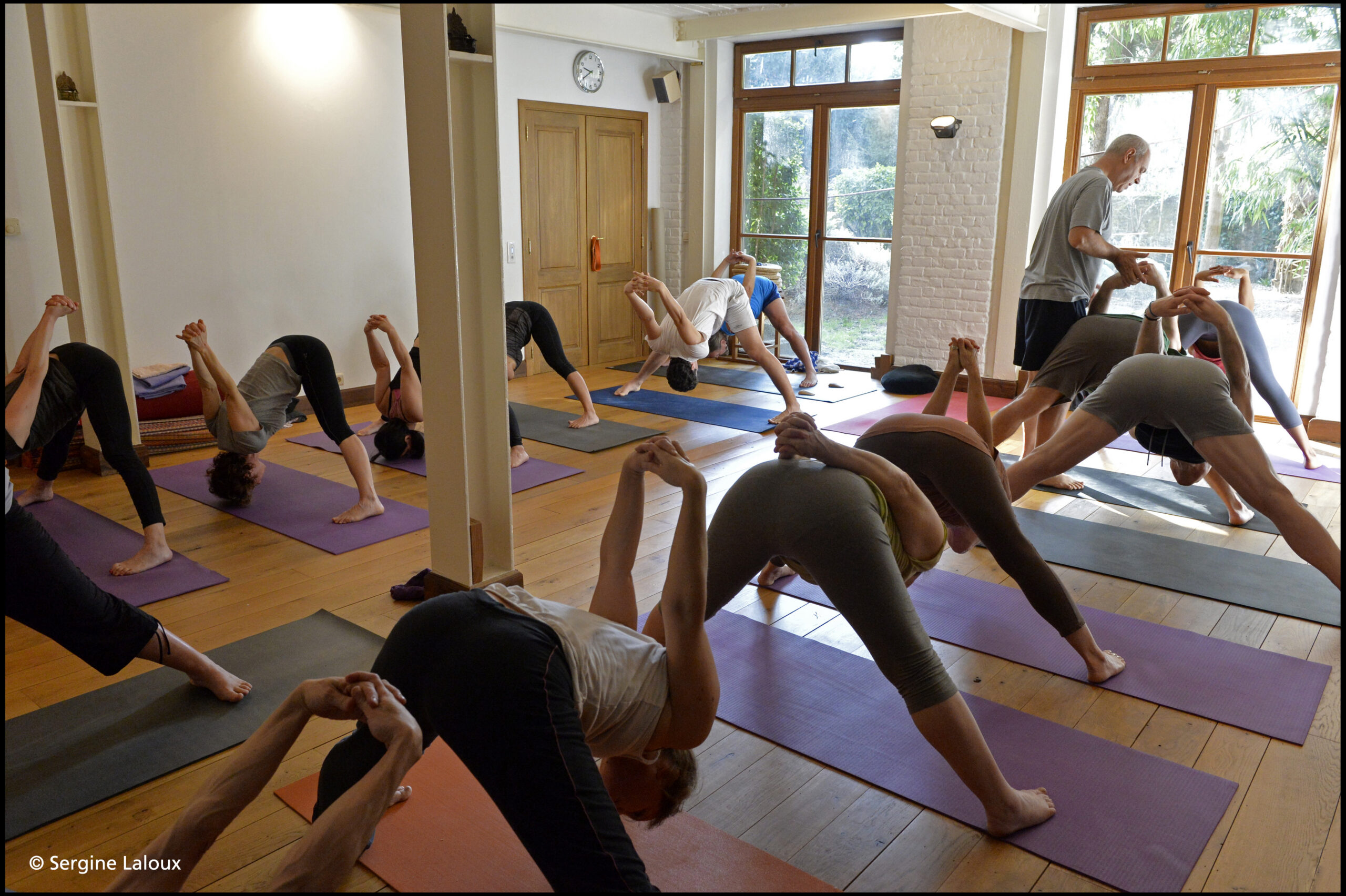
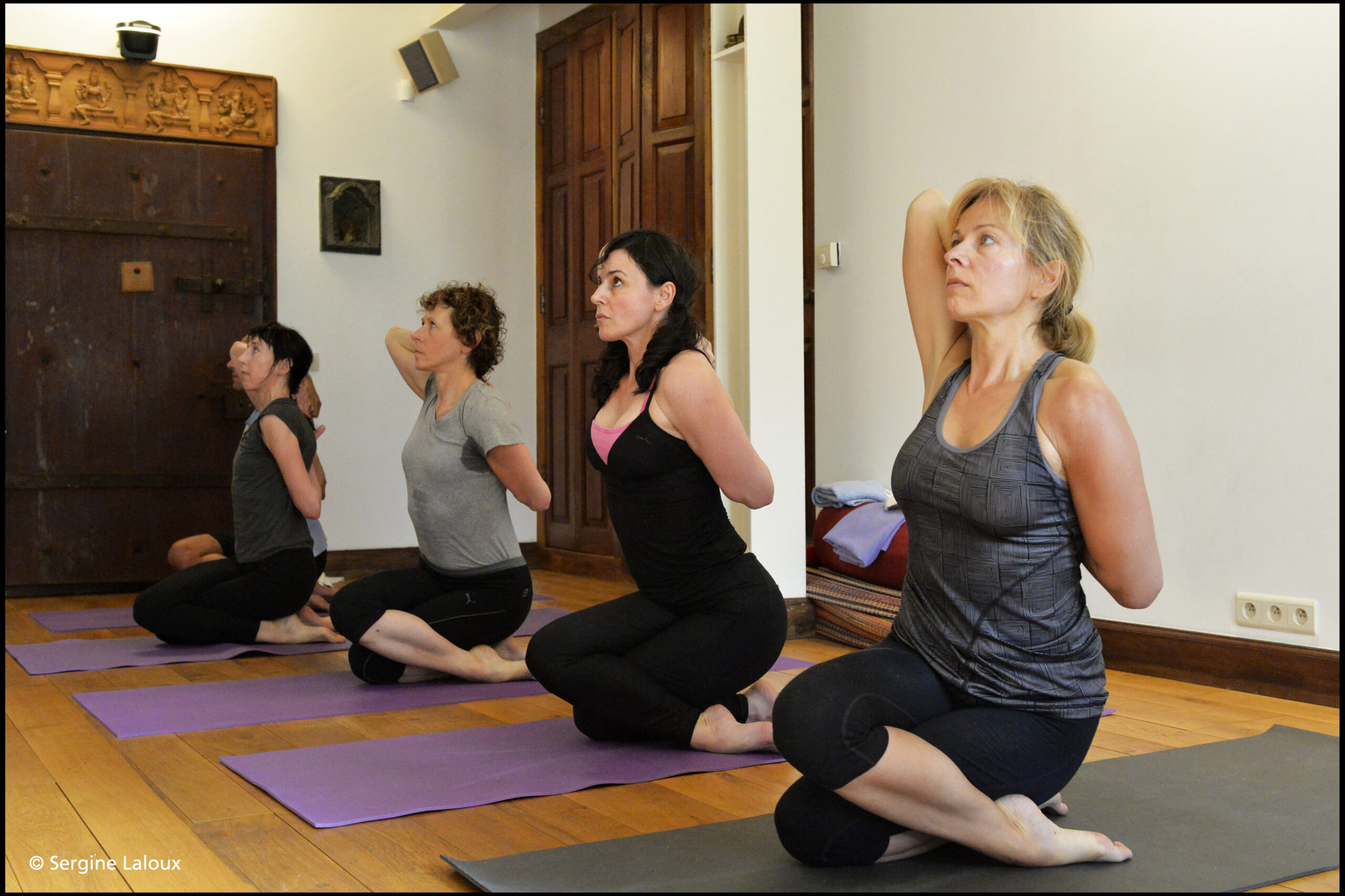
The practice room offers a 50 m² space designed for optimal comfort at every level. Its design rests on careful thought around the dynamic practice of Ashtanga Yoga, the biomechanics of movement, the energetic quality of the place and the health of practitioners.
Here, the place is not separate from the practice. It is part of it.
A place designed for the practice of Ashtanga Yoga
Ashtanga Yoga is a demanding, precise and progressive method. It engages the body, the breath, attention and concentration. The repetition of the Vinyāsa, the heat produced by the practice, the intensity of the rhythm and the importance of the breath all call for a suitable space.
The Institute’s room does not seek to reproduce the atmosphere of a gym, nor that of an ordinary yoga studio. It was conceived as a shala: a place of study, discipline, transmission and direct experience.
Its design meets the many criteria set out by Sri K. Pattabhi Jois for the practice of Ashtanga Yoga: the level of the floor, the quality of the flooring, the heating, the ventilation, the purification of the air and the attention paid to the energetic environment of the place. Every choice was made to support the practice rather than simply to decorate the space.
A layout respectful of the energies of the place
A room on the ground floor
The room is on the ground floor — not a trivial choice. In many traditions, contact with the level of the ground fosters grounding, stability and a more direct sense of connection with the Earth. This closeness also limits certain electromagnetic interferences more often found on upper floors.
For a practice like Ashtanga Yoga, where footing, jumps, transitions and inner stability are essential, this ground-floor layout contributes to the quality of the experience. It sets the practice within a more direct relationship to the ground, the weight of the body, balance and rootedness.
A geobiological study of the place
Before fitting out the room, the Institute called upon a professional geobiologist, out of a wish to create a healthy, harmonious place conducive to practice.
The geobiologist assessed the telluric energy of the place, mapped various energy networks — notably the Hartmann and Curry grids — and identified any zones of geological stress, which were then taken into account and harmonised.
In this view, the Earth is crossed by invisible flows that can be compared to the nāḍī of the human body. In the yoga tradition, the nāḍī are the subtle channels through which vital energy circulates; by analogy, some currents of thought consider that the Earth has its own lines of energetic circulation.
Many ancient civilisations gave great importance to such places: sanctuaries, megaliths, temples and cathedrals were often built on points considered to carry a particular energy, in order to foster contemplation and quality of presence. This attention reflects the spirit of the Institute: not to see the room as a mere container, but as a space that fully takes part in the practice.
A room designed to respect the body
The practice of Ashtanga Yoga is dynamic. The sequences, the jumps and the repetition of the Vinyāsa place strong demands on the joints, tendons, ankles, knees, wrists and spine. The room was therefore designed with particular attention to the biomechanics of the body.
The choice of the floor, its laying, its treatment and the heating is not merely aesthetic: it aims to offer a living, stable support suited to regular practice. This approach is at the heart of the Institute’s teaching: to practise with commitment, but always with respect for the body.
Underfloor heating without electromagnetic induction
The room has uniform underfloor heating, designed to provide a gentle, even warmth. Unlike some electric systems, it works by circulating hot water and thus protects practitioners from the electromagnetic fields often associated with other forms of heating.
In Ashtanga Yoga, heat plays an important role: it accompanies the work of the breath, supports the fluidity of movement and lets the body gradually enter the practice. But it must remain balanced, without drying the air or creating a feeling of stuffiness. The underfloor heating meets this need by diffusing a stable, gentle and enveloping temperature.
A double-spiral heating
The system rests on a heat exchanger with inverted concentric channels. The hot water circulates in a clay-concrete screed, allowing a gradual and even diffusion of the heat. This design avoids zones that are too hot or too cold and maintains a steady atmosphere without sudden temperature changes — a comfort that also supports the practitioner’s concentration.
A floor made for the practice of Vinyāsa
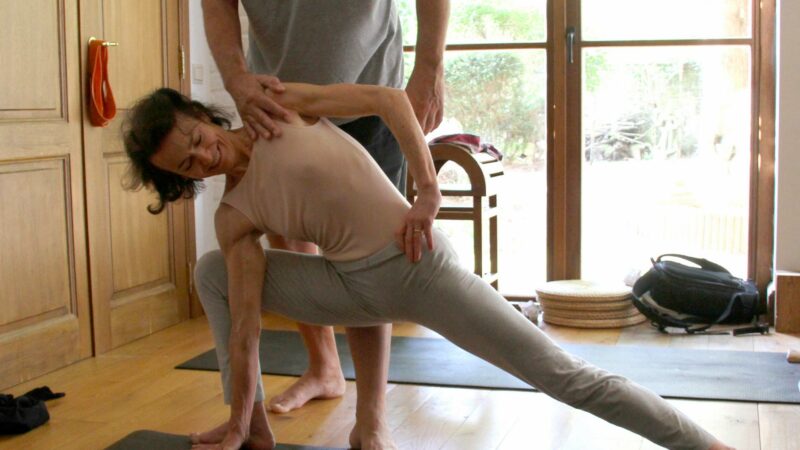
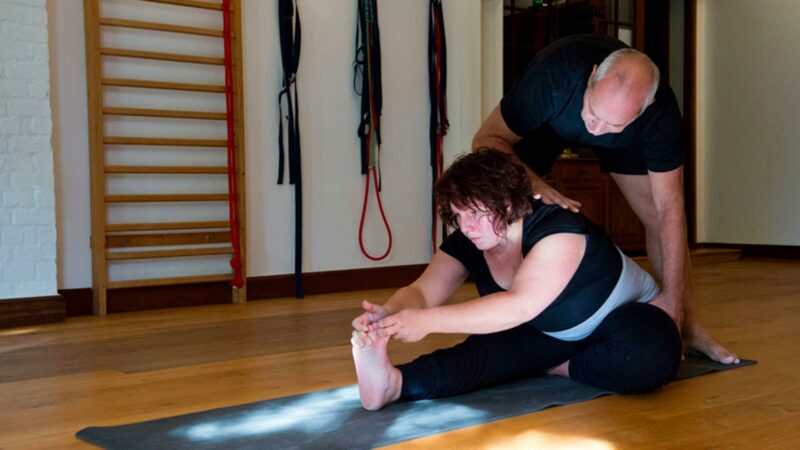
The floor is solid oiled oak parquet, nourished with a non-toxic organic oil that lets the wood breathe while keeping a natural touch. Solid oak was chosen for its strength, its stability and its quality of contact.
But the essential lies in the way it is laid: the parquet is installed on joists, to offer a slight absorption of impacts and to cushion the footing and transitions specific to Ashtanga Yoga. A floor that is too hard heightens tension; one that is too soft creates instability. Solid oak on joists finds the balance between firmness, stability and absorption. This technical detail becomes a genuine pedagogical choice: to support the practice without constraining the body.
A healthy environment
Air quality in the service of the breath
In Ashtanga Yoga, breathing holds a central place: the Ujjāyī breath accompanies each movement, sets the rhythm of the practice and supports concentration. It was therefore essential that the room offer an air quality suited to an intense breathing practice.
The presence of fine and ultrafine particles, volatile organic compounds, allergens or indoor pollutants can harm the comfort and health of practitioners. The Institute therefore equipped the room with a medical-grade HEPA filtration system, which effectively filters many particles and maintains a healthier atmosphere during the practice.
Intelligent micro-ventilation
The practice naturally generates heat, humidity and a significant breathing intensity. The room has an intelligent micro-ventilation system that automatically adjusts the air flow according to the humidity level detected: when the practice intensifies, the ventilation adapts to renew the air without creating an uncomfortable draught. This regulation maintains the balance between heat, breath and comfort.
A room where every detail takes part in the transmission
The Brussels room was conceived as a place of practice, but also as a place of transmission. The ground floor, the geobiological study, the parquet, the heating, the ventilation, the air purification and the materials all serve the same intention: to create the most appropriate conditions possible for practising Ashtanga Yoga.
These choices are not decorative: they express a vision. At the Institute, tradition is not limited to texts, postures or journeys to India. It also shows in the way a place is built, a material is chosen, a practitioner is welcomed and the quality of the practice is preserved. Every detail takes part in the transmission.
Spaces designed to welcome you
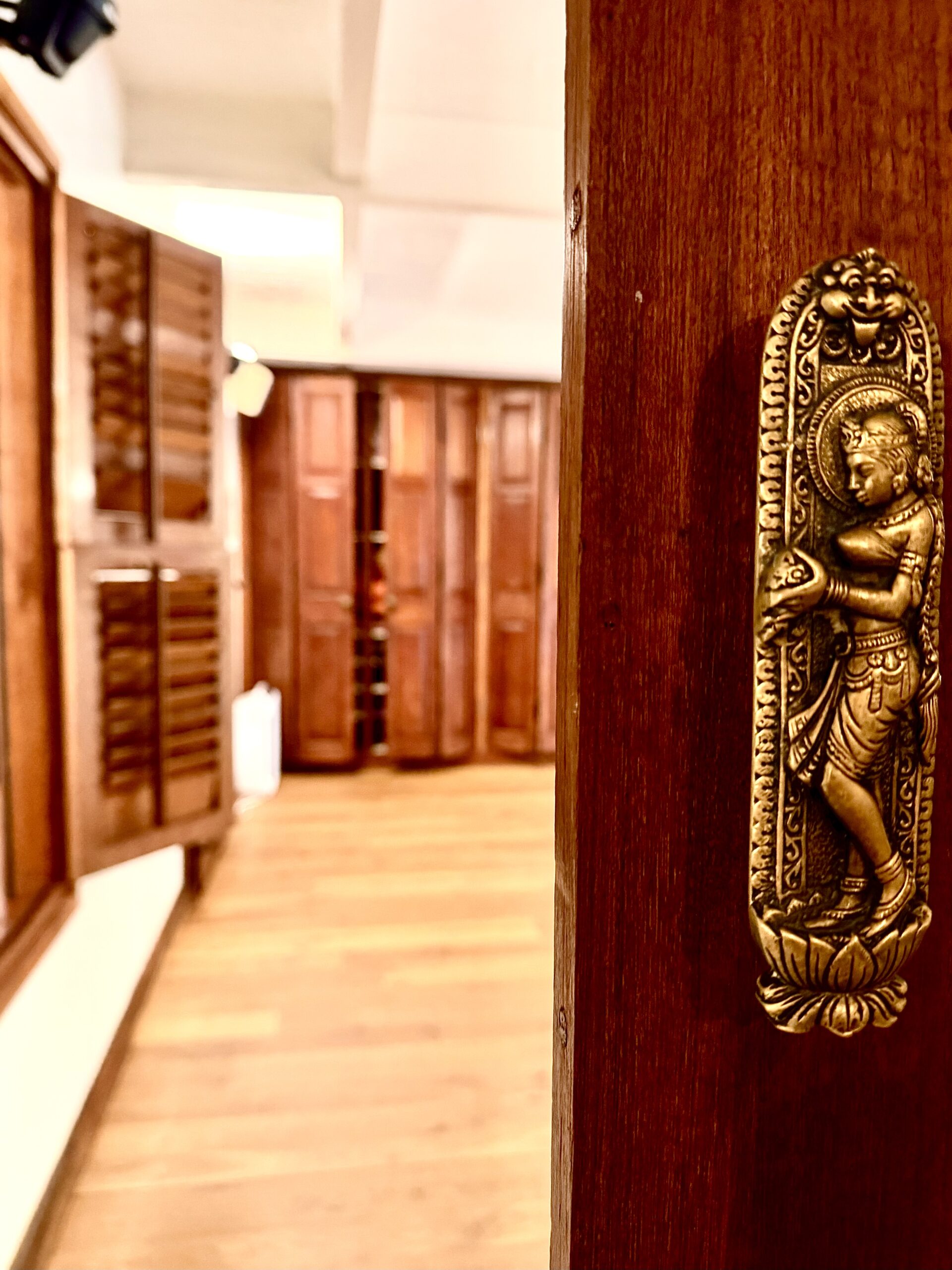
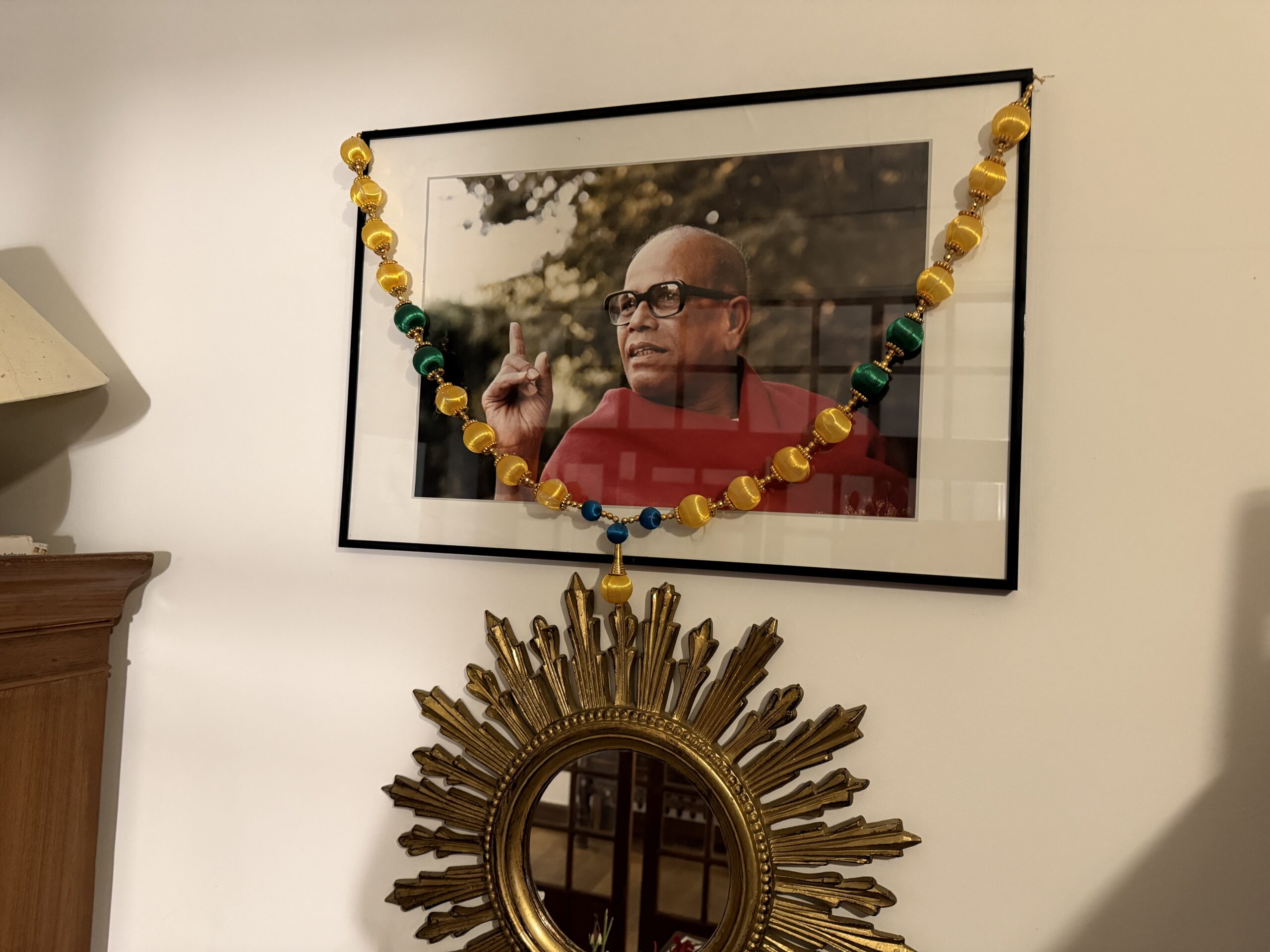
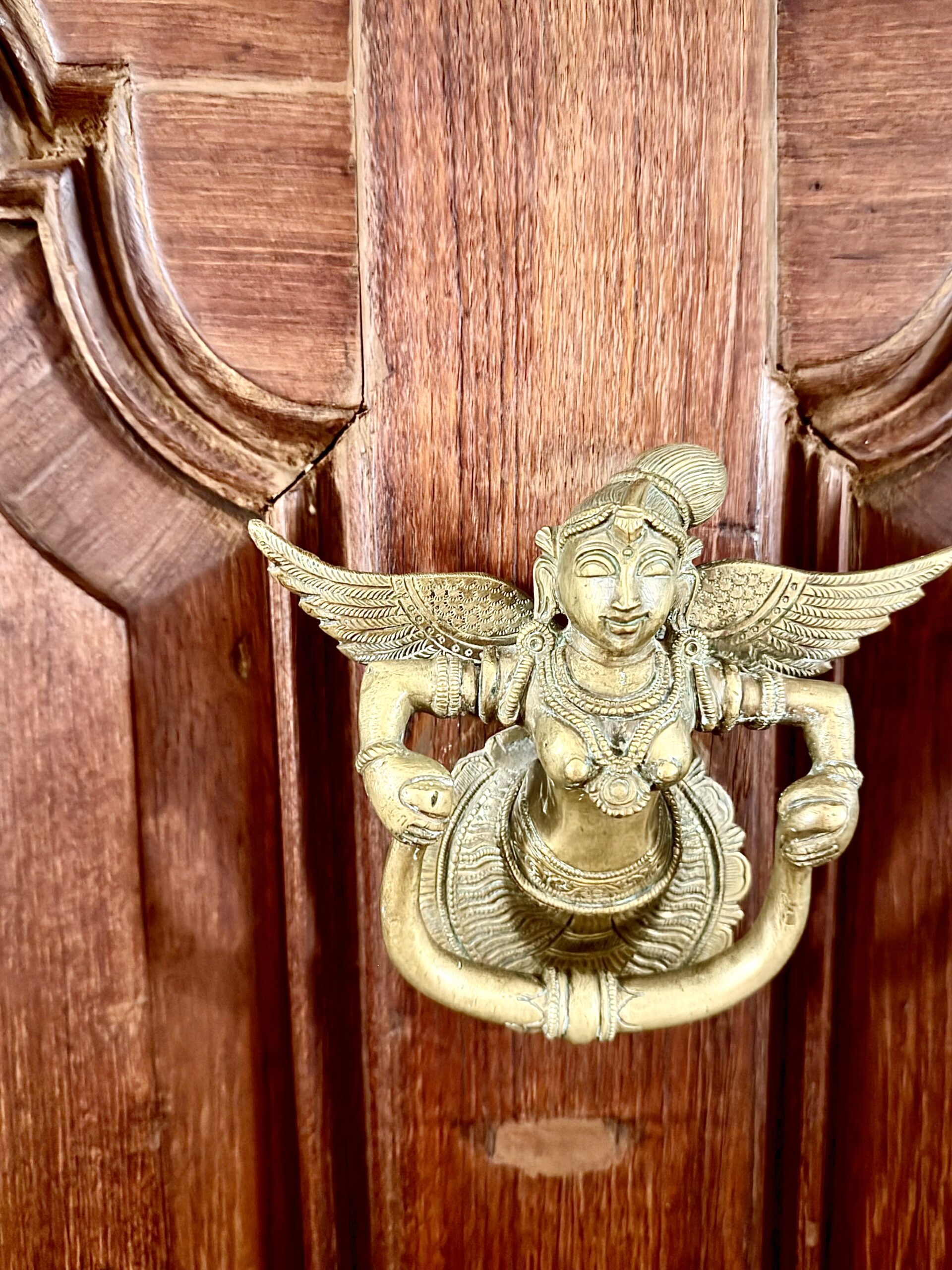
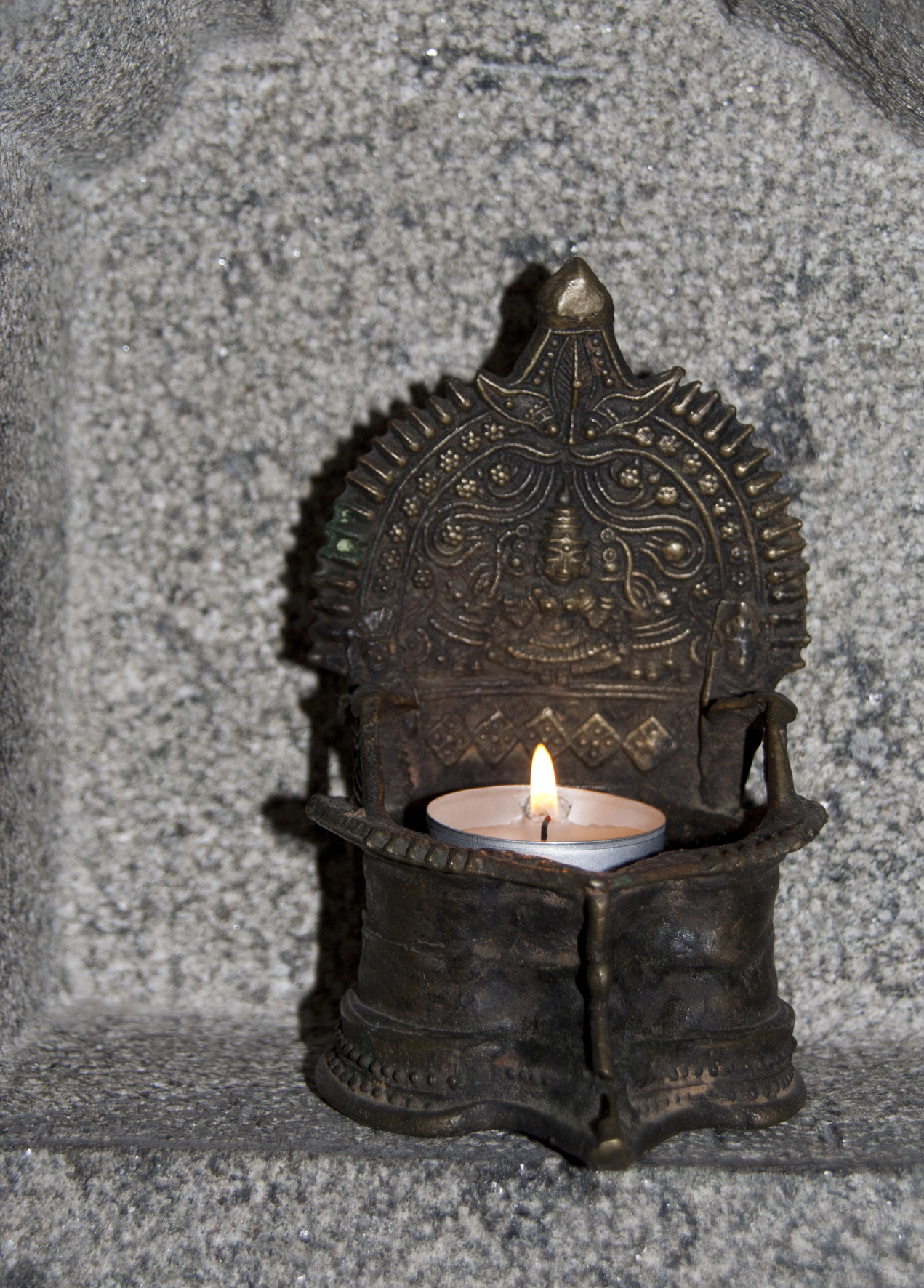
The Institute was not conceived as a simple room where one rolls out a mat. It is a complete place, designed to accompany the different moments of the practice: arrival, preparation, the class, integration, study and the times of sharing. The changing rooms, the shower room, the reception room, the kitchenette, the mattress cupboard and the library all serve the same intention.
The changing rooms
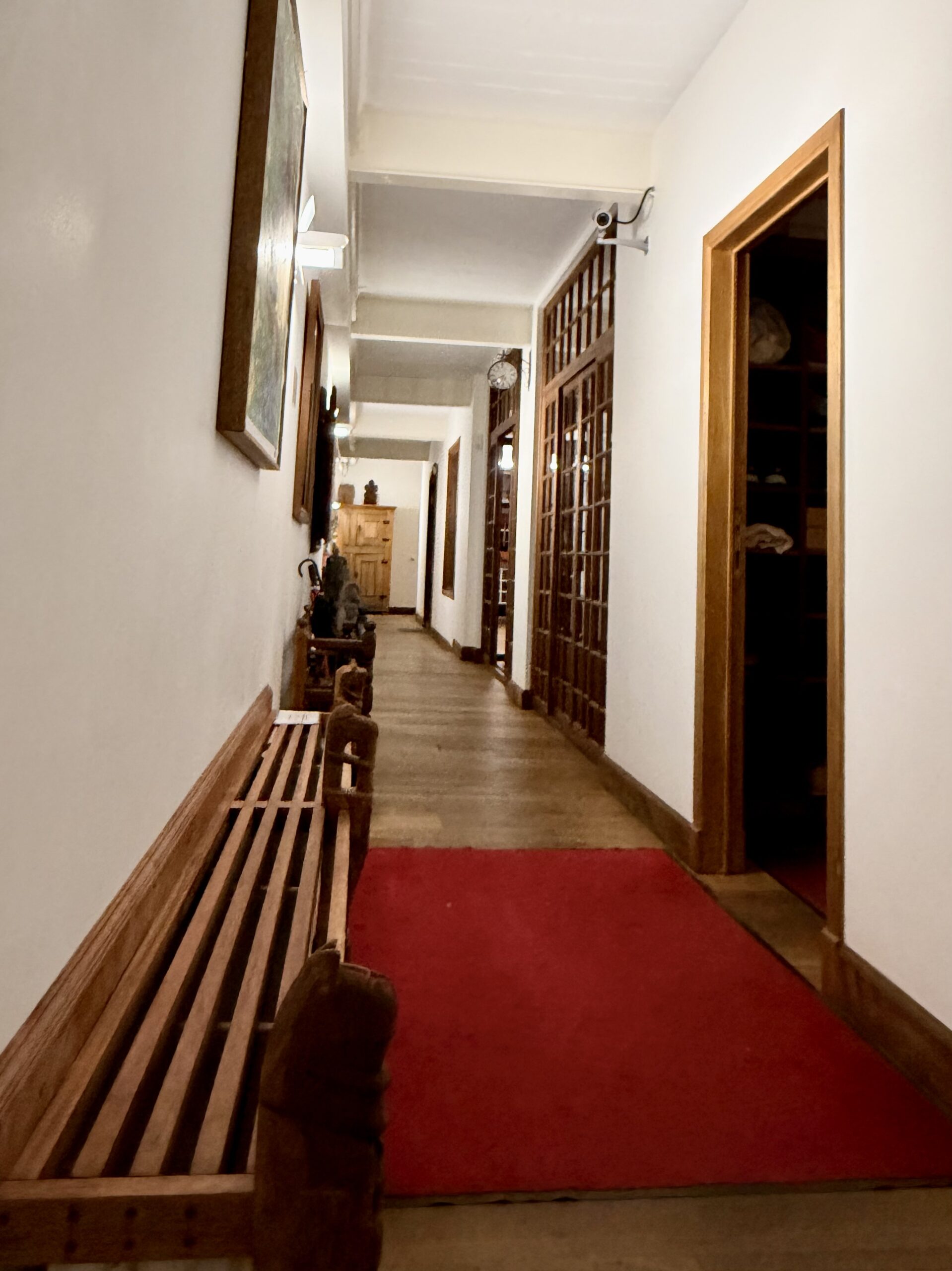
The men’s and women’s changing rooms are immediately to the right after the entrance. You can leave your belongings there and change before class. We invite you to leave your shoes in the cabinet provided, to preserve the cleanliness and atmosphere of the practice spaces. This simple attention symbolically marks the passage between the outside and the space devoted to yoga.
A shower room
A shower room is available to practitioners, notably during the intensive mornings, the training weekends or the seminars — a useful comfort for those who come from afar or continue their day after class.
The reception room
From the changing rooms, you cross the reception room before entering the yoga room. This space lets you settle for a few moments, talk with the teachers or other practitioners, and gradually prepare to enter the practice. It is also here that the friendly moments after some classes, intensive mornings or trainings take place.
All the equipment needed for practice
On site, you will find all the necessary equipment. The Institute provides:
- yoga mats;
- blocks in wood or organic cork;
- straps in organically grown cotton;
- zafu cushions for meditation;
- organic cotton blankets from Auroville.
Each accessory was chosen with care, in respect of the body, the practice and the environment. The blocks, straps, blankets and zafu allow one to approach the practice with more precision, stability and listening — in the spirit of the teaching: to respect everyone’s rhythm and build progress over time. You are of course welcome to bring your own equipment.
The kitchenette
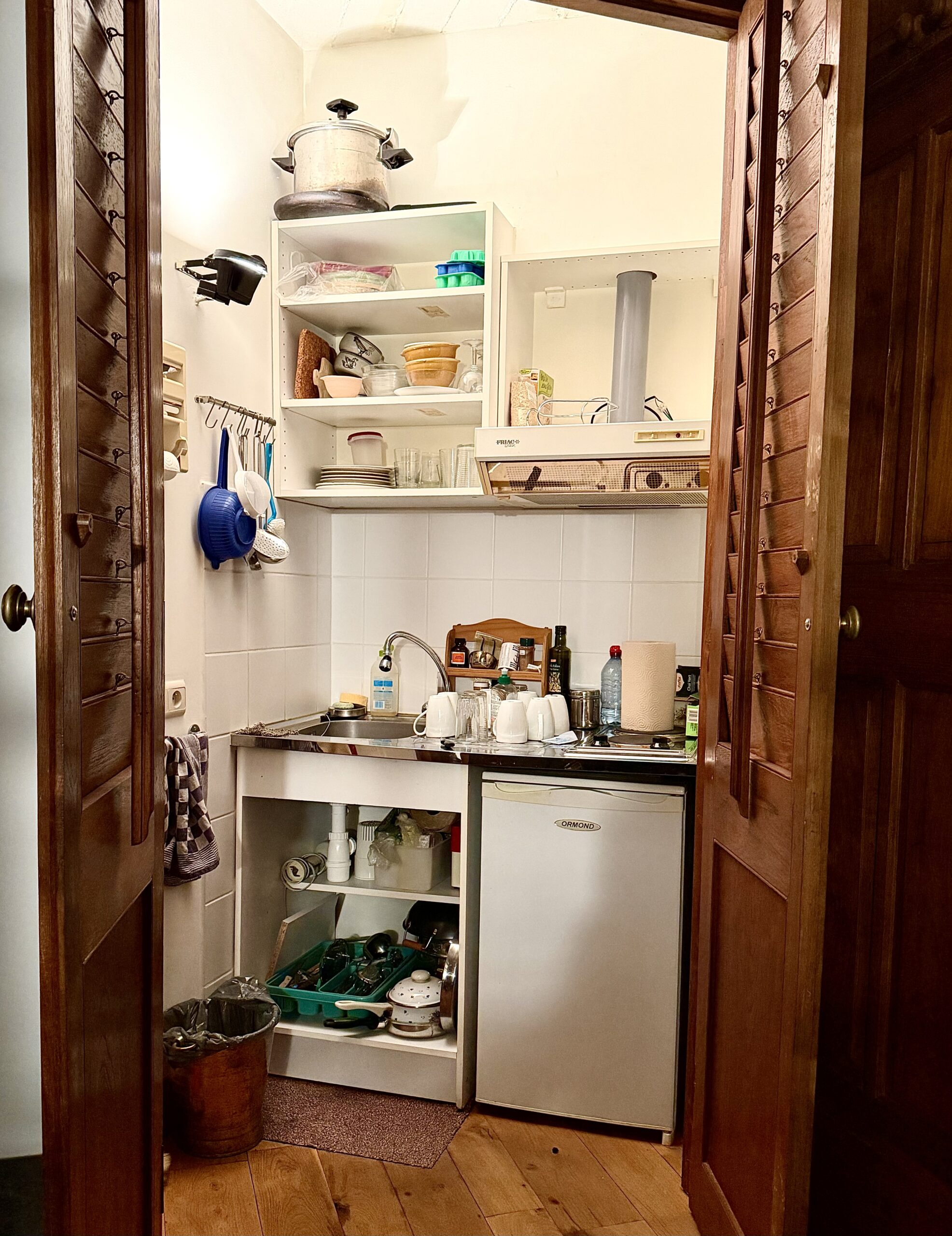
For weekends, intensive mornings and trainings, the Institute has an equipped kitchenette (a fridge, a hob, crockery and what is needed for simple meals or hot drinks). It lets practitioners stay on site between two practice or study times and adds to the friendly atmosphere of the Institute, where the days are built around practice, teaching, shared meals and informal exchanges.
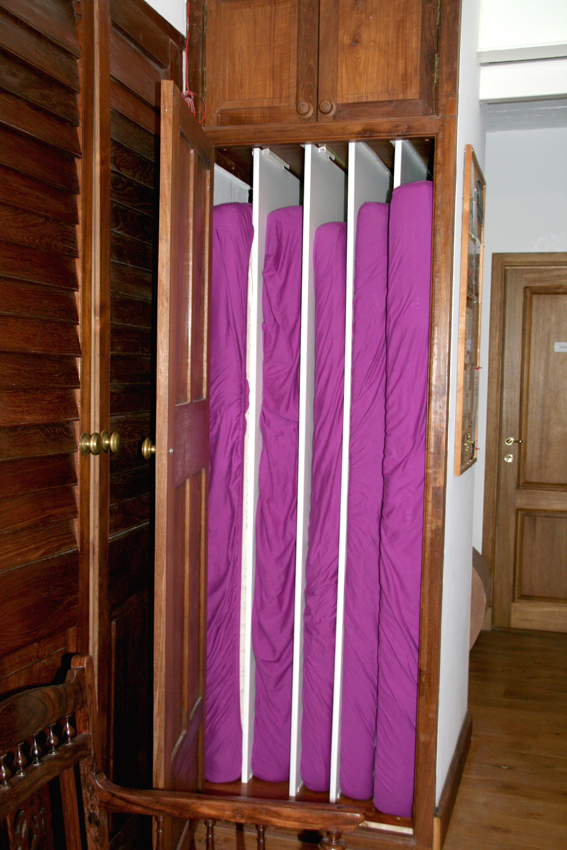
The mattress cupboard
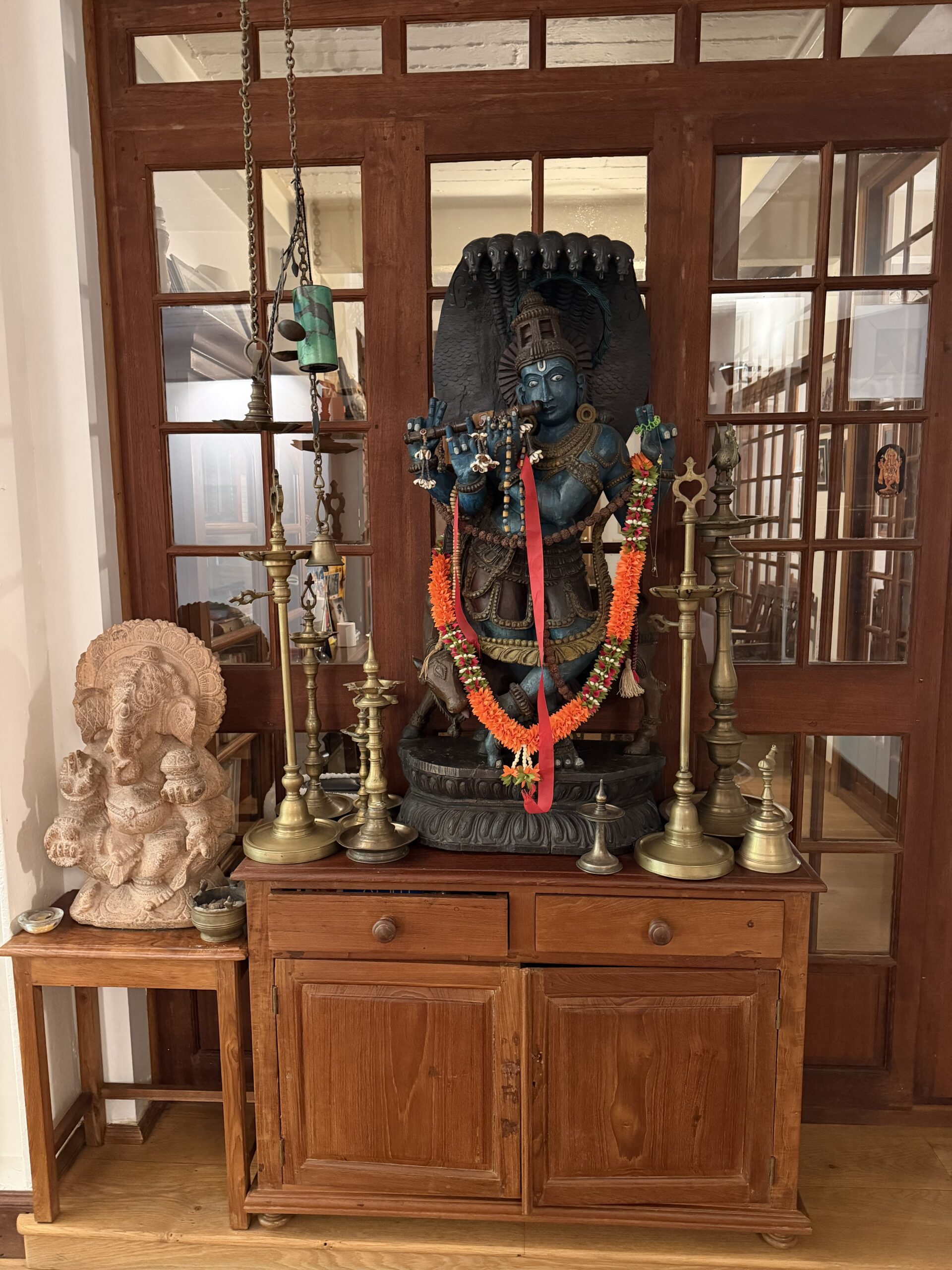
During some weekends and intensive mornings, it is possible to spend the night in the room when the organisation allows: a few mattresses are made available. This possibility reflects the simple, community spirit of the Institute and lets some times be lived as true immersions, with no break between the class, study, rest and transmission.
A library of more than 1,000 works
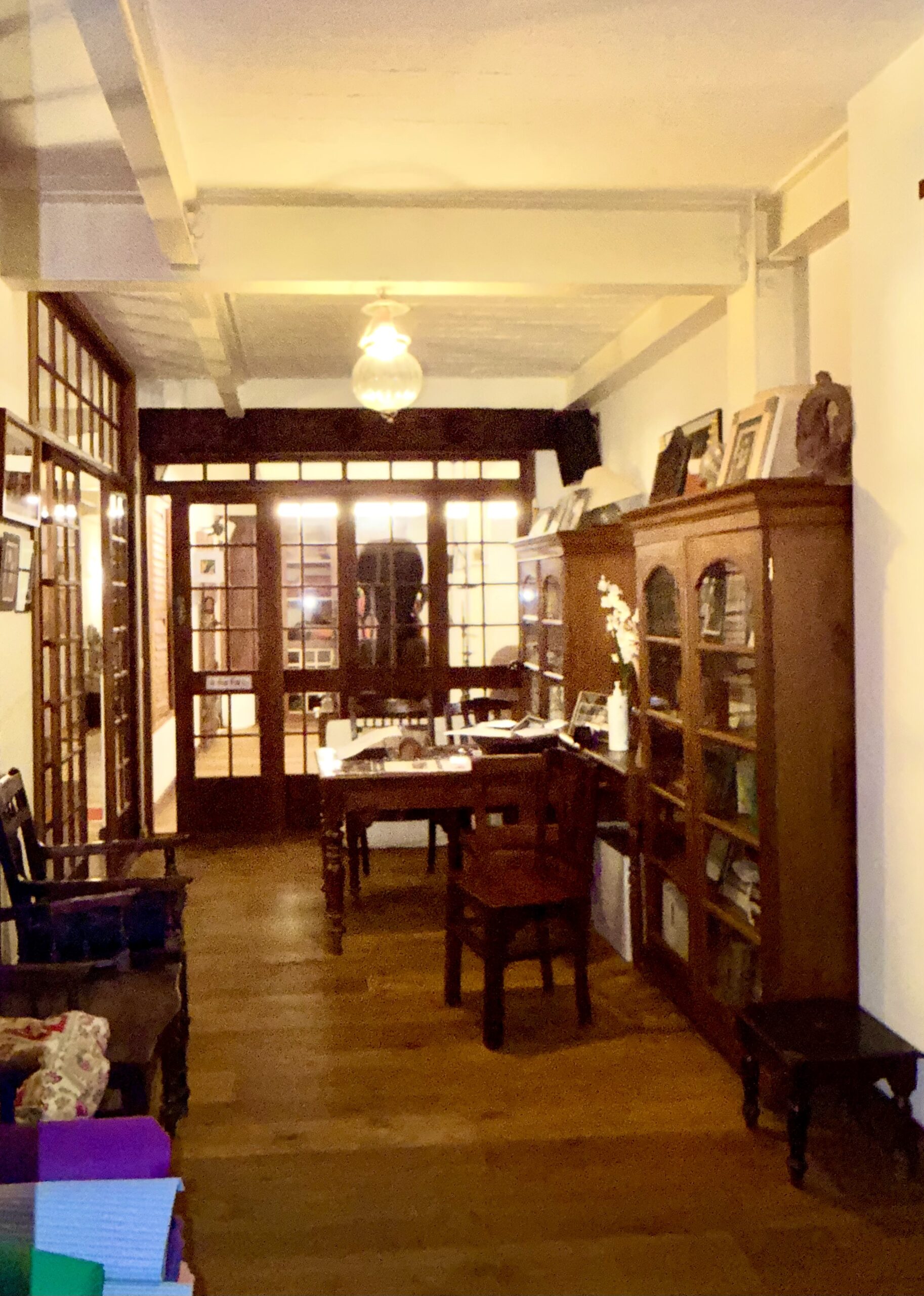
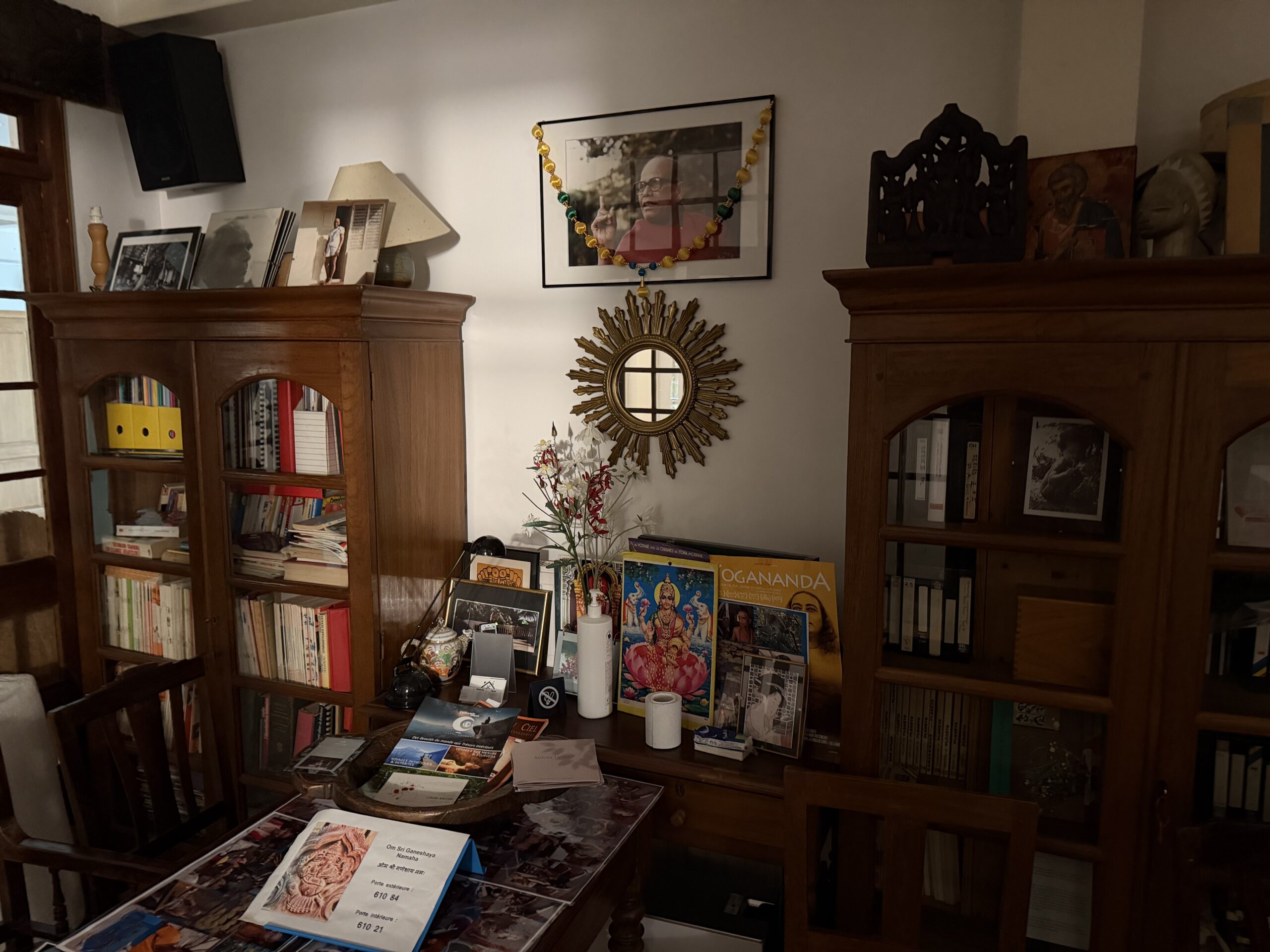
One of the Institute’s treasures is its library: more than 1,000 books and journals devoted to yoga and its surrounding traditions, available to consult on site. There are works on Ashtanga Yoga, the Yoga Korunta, the Yoga Sūtra of Patañjali, Indian philosophy, the traditional texts, the various currents of yoga, breathing, meditation, anatomy, osteopathy, spirituality, the history of yoga and the traditions of India.
It is a natural extension of the practice. For at the Institute, yoga is not limited to the time spent on the mat: it is also nourished by study, reading, reflection and oral transmission. This library reminds us that yoga is a living tradition, transmitted through practice but also through texts, commentaries, theses, journeys and encounters. It makes the Institute a true place of research, transmission and yogic culture.
A simple and living atmosphere
What characterises the Institute is not only its layout, but the atmosphere that builds up over the classes, the trainings and the years of shared practice. The room welcomes beginners, regular practitioners, advanced students, teachers and people in training. Each arrives with their own history, rhythm and questions; all share the same space of practice. This diversity creates a living atmosphere, where one learns as much through personal experience as through the observation of others. (Wi-Fi is available on site, but the essential lies elsewhere: in the breath, attention, regularity and quality of presence.)
A place of daily transmission
At the Institute, transmission is not limited to the great seminars or the journeys to India. It is also lived in the details of daily life: the way one enters the room, leaves one’s shoes, the attention paid to the equipment, the exchanges after practice, the books consulted, the silence before class, the corrections received and the questions asked along the way. Tradition is transmitted through the teachers, but also through the place itself. It is this coherence that gives the Brussels room its character: it is not only a space of practice, but a place where Ashtanga Yoga is lived, studied and transmitted in every detail.
Getting there and practical information
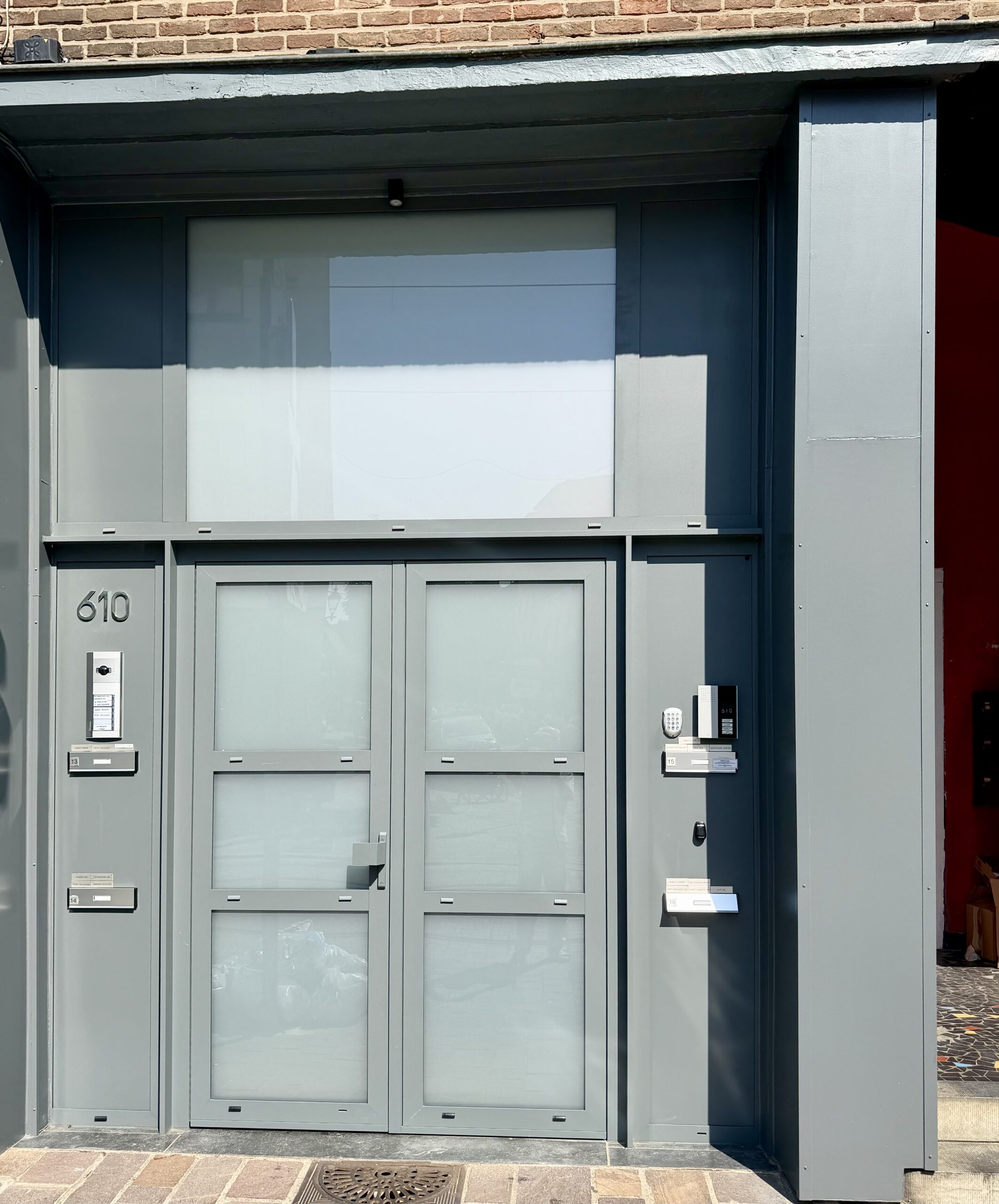
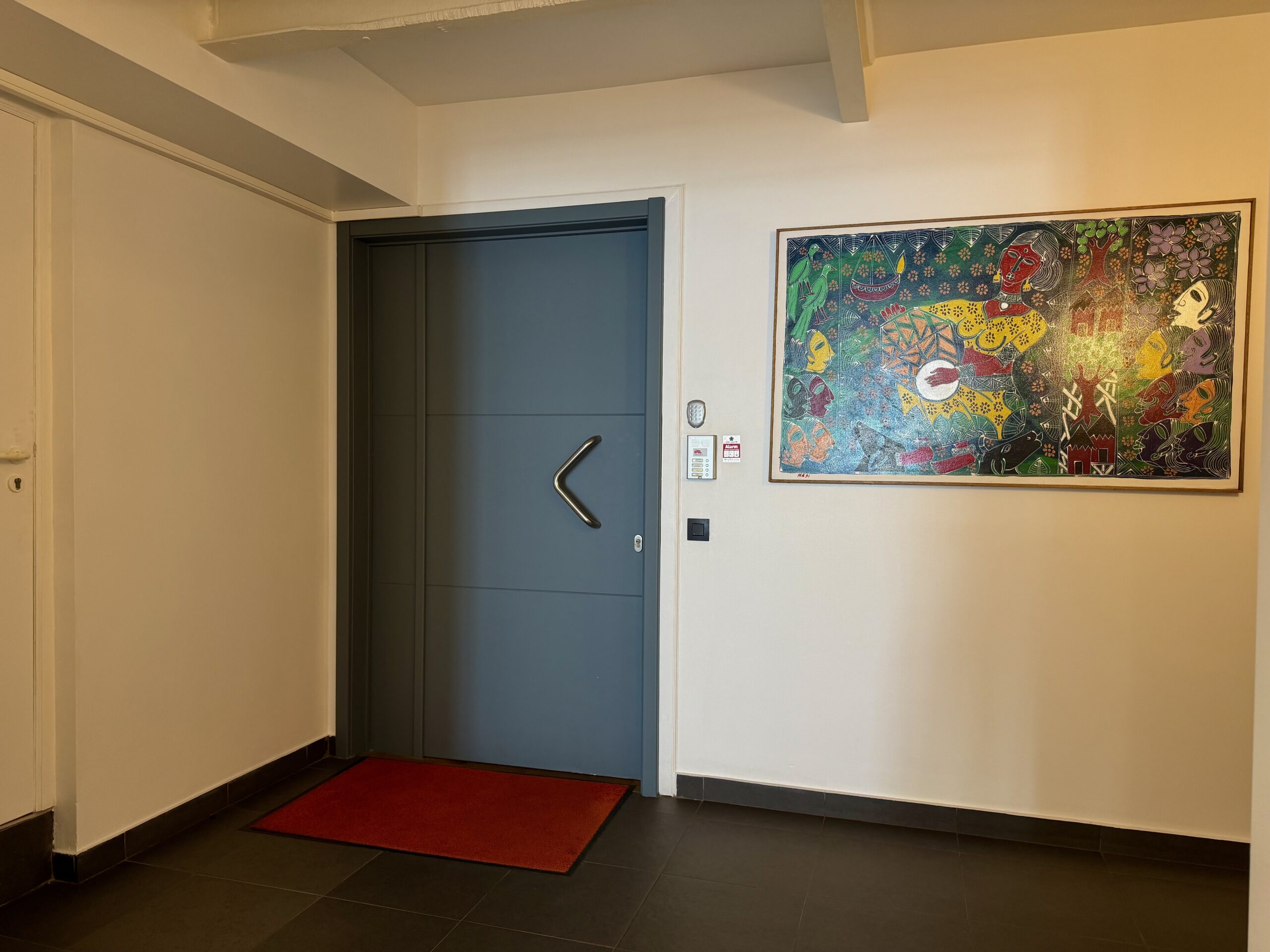
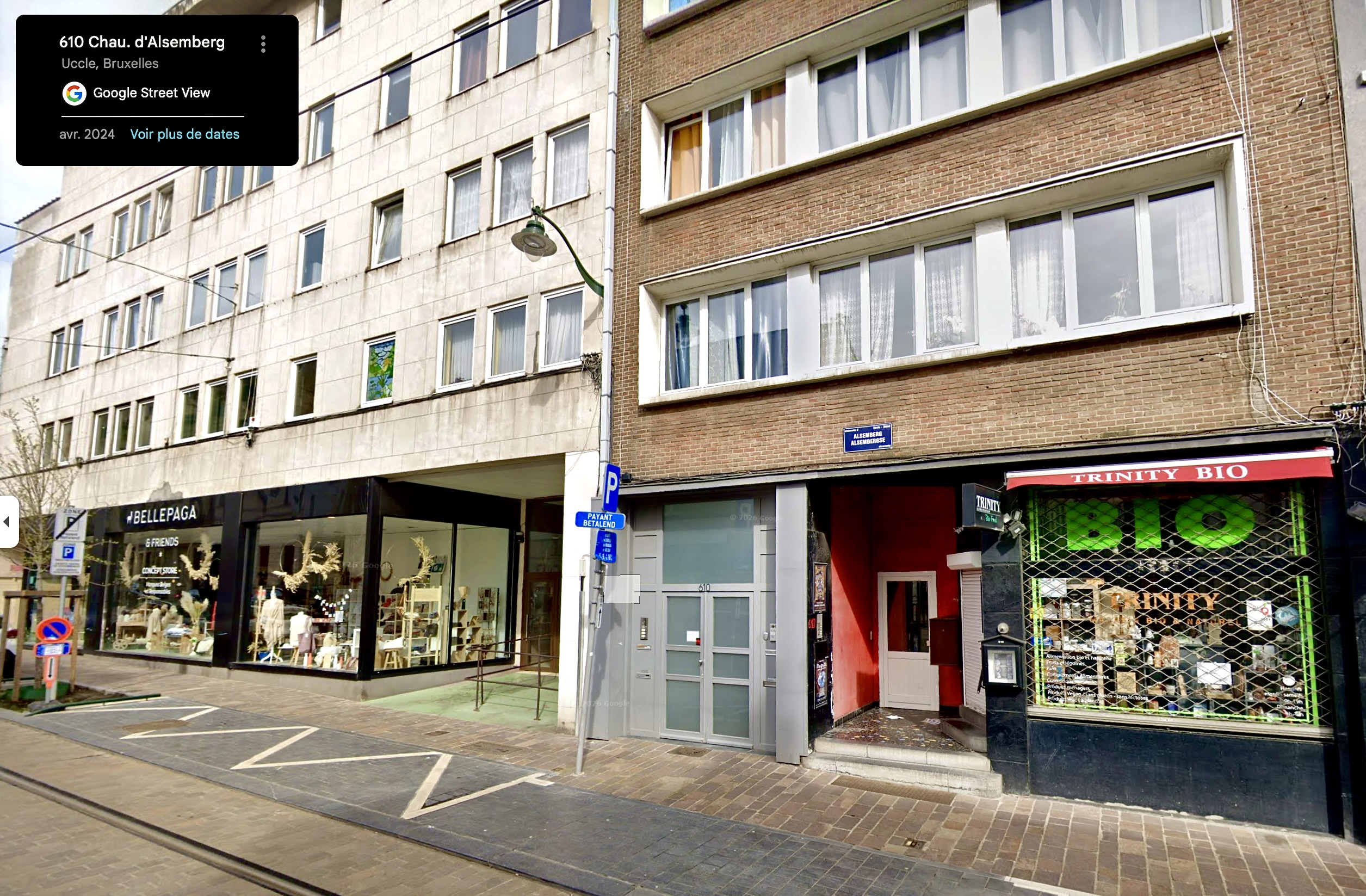
The Ashtanga Yoga Institute is located at 610 chaussée d’Alsemberg, 1180 Uccle – Brussels. The entrance is through the large grey door facing the avenue; after a long corridor, the second grey door leads you inside the Institute. This path of arrival is already part of the experience: one gradually leaves the bustle of the street to enter a calmer space, entirely devoted to practice. We recommend arriving a few minutes before class begins, to settle in and enter the atmosphere of the practice.
By public transport
The Xavier de Bue tram stop (line 18) is a one-minute walk from the Institute. The Héros stop (lines 4 and 92) is eight minutes away. The nearest railway station is Uccle-Calevoet, 1.6 km away — a twenty-two-minute walk. Coming by public transport avoids the constraints of parking and lets you begin the practice in a calmer state of mind.
By car
If you come by car, parking is available in the streets around the Institute, depending on availability in the neighbourhood. Allow a few extra minutes to find a space and arrive without rushing.
By bike
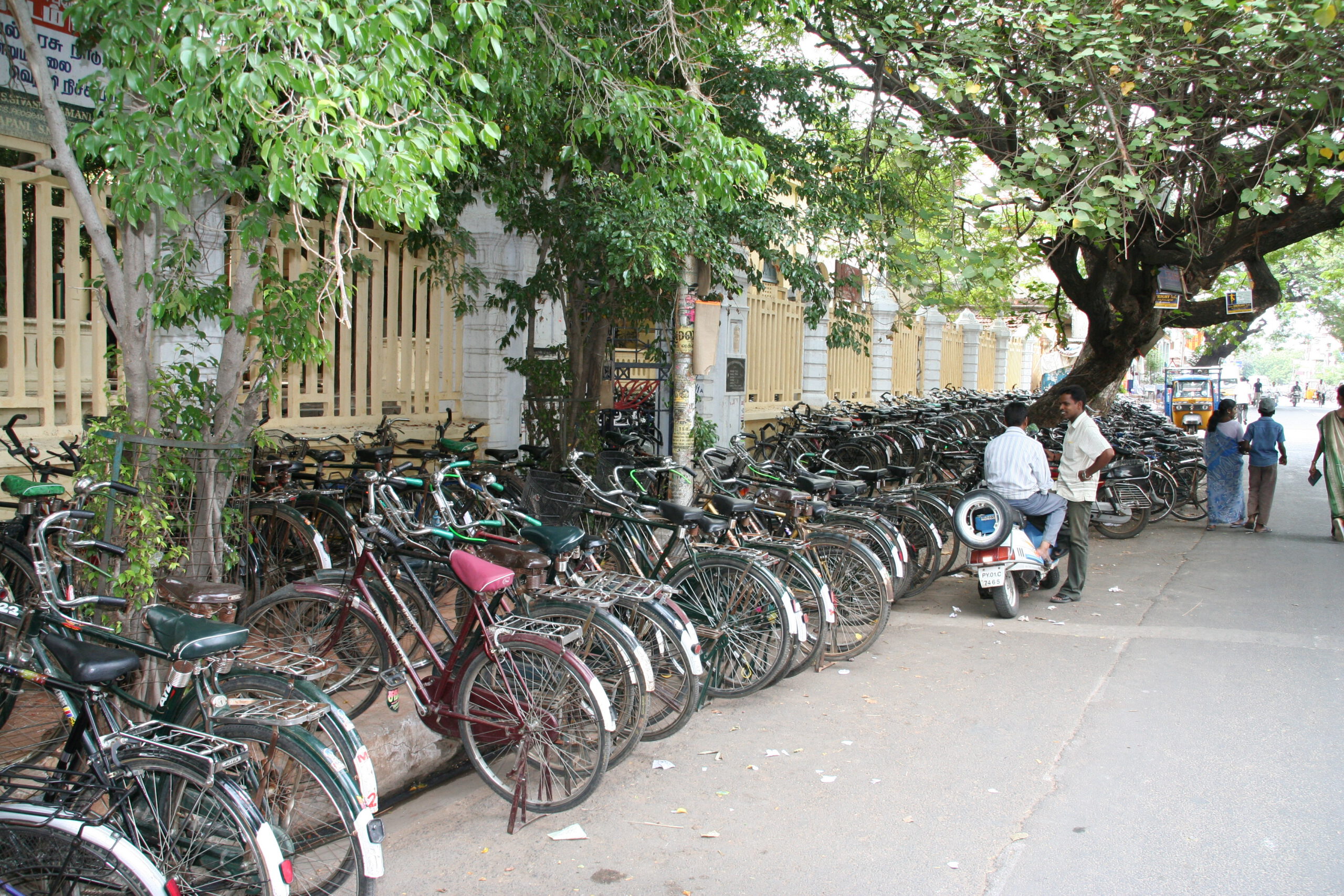
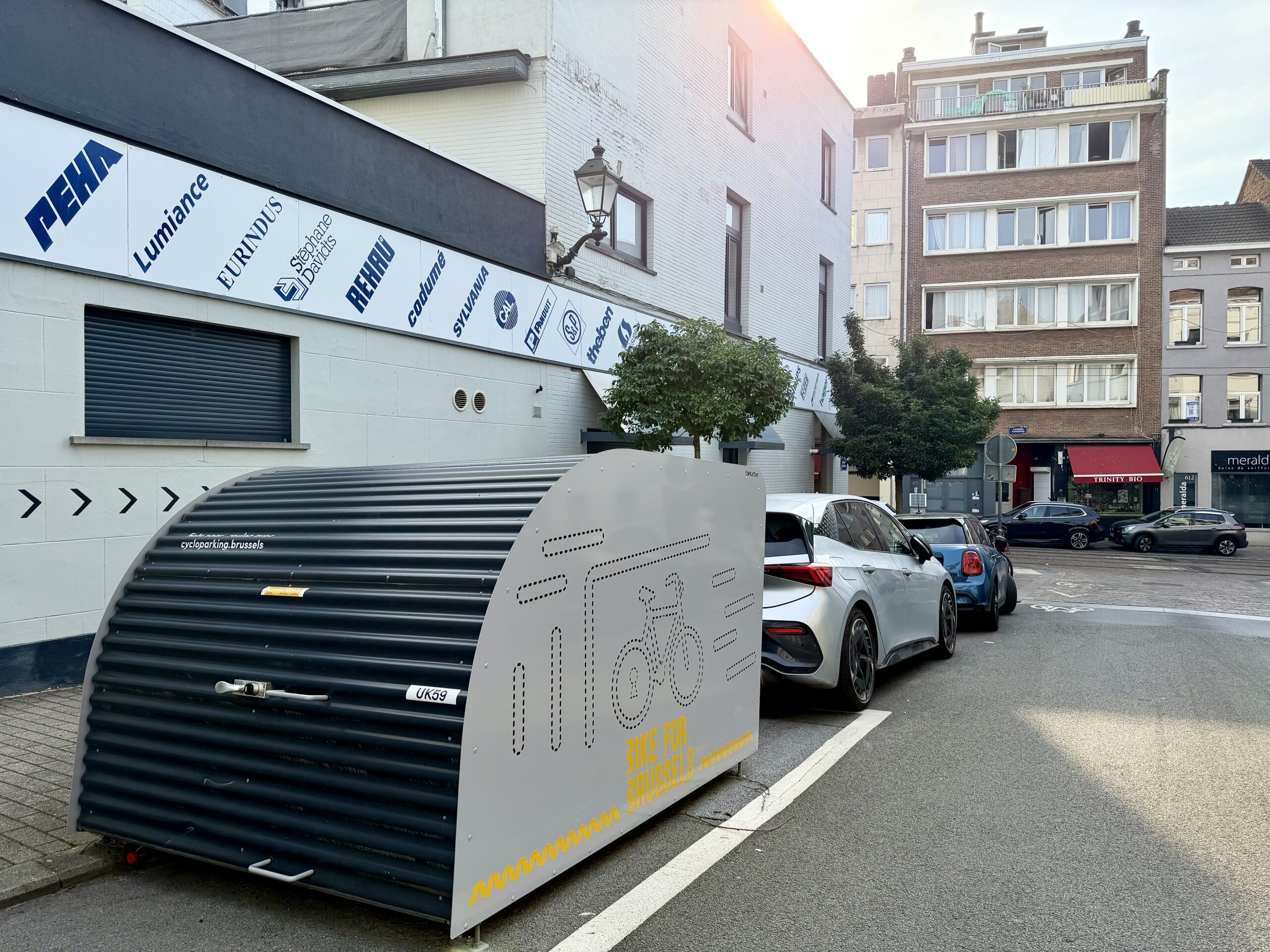
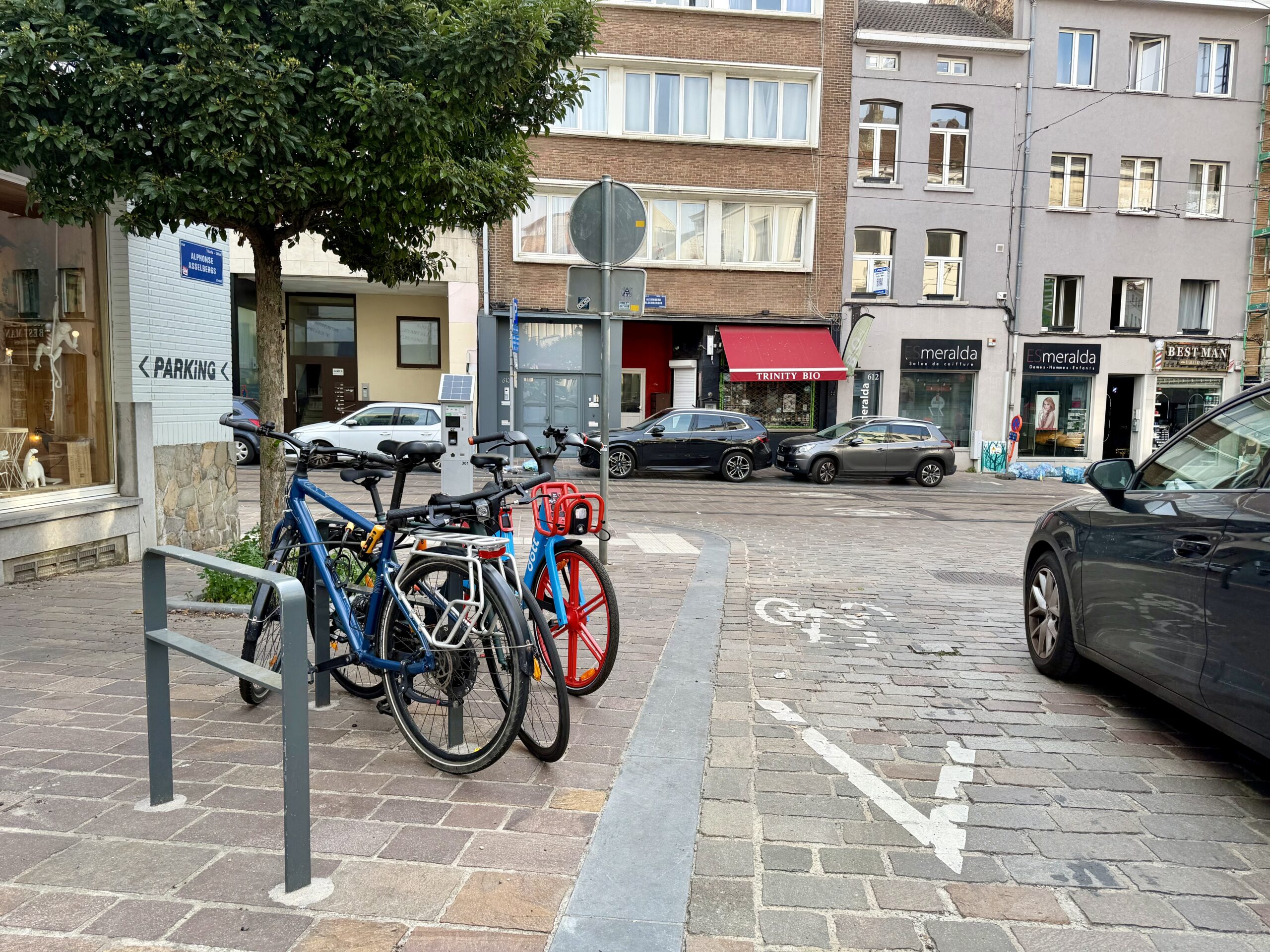
Several bike-parking options are available in the immediate vicinity, notably near rue Alphonse Asselbergs and rue du Ham. A secure box with five spaces (subscription via CycloParking) allows you to park in an enclosed space; open-air racks are also available opposite number 610 and near 608B.
The living heart of the Institute
For many years, the Brussels room has been the living heart of the Ashtanga Yoga Institute. It is here that the weekly classes, the intensive mornings, the trainings, the study times and the moments of sharing that shape the life of the Institute are transmitted, and where beginners, regular practitioners, advanced students, teachers and people in training meet.
Every space was designed to support the practice. Every material was chosen with care. Every detail takes part in the transmission. The room is not only a place where one comes to do yoga: it is a place where one enters a tradition, where one learns to listen to one’s body, refine one’s breath, deepen one’s practice and continue one’s own path.
We wish you a very fine practice. Om Śānti.
Practical information
Opening hours
Contact
- Address
- 610, Chaussée d'Alsemberg – 1180 Uccle, Brussels
- Tel.
- +32 2 340 67 81
- info@yoga-ashtanga.net