When you first discover yoga, the sheer number of schools can be bewildering. Vinyāsa, Iyengar, Sivananda, Bikram, Kundalini… Here is a way to see more clearly — and to understand what distinguishes Ashtanga Yoga (Yoga Korunta).
All born from Haṭha Yoga
The methods all come from Haṭha Yoga: “Ha” the Sun, “Tha” the Moon, “Yoga” union — “the search for balance in the union of opposing forces”. It is perhaps the finest definition of our practice.
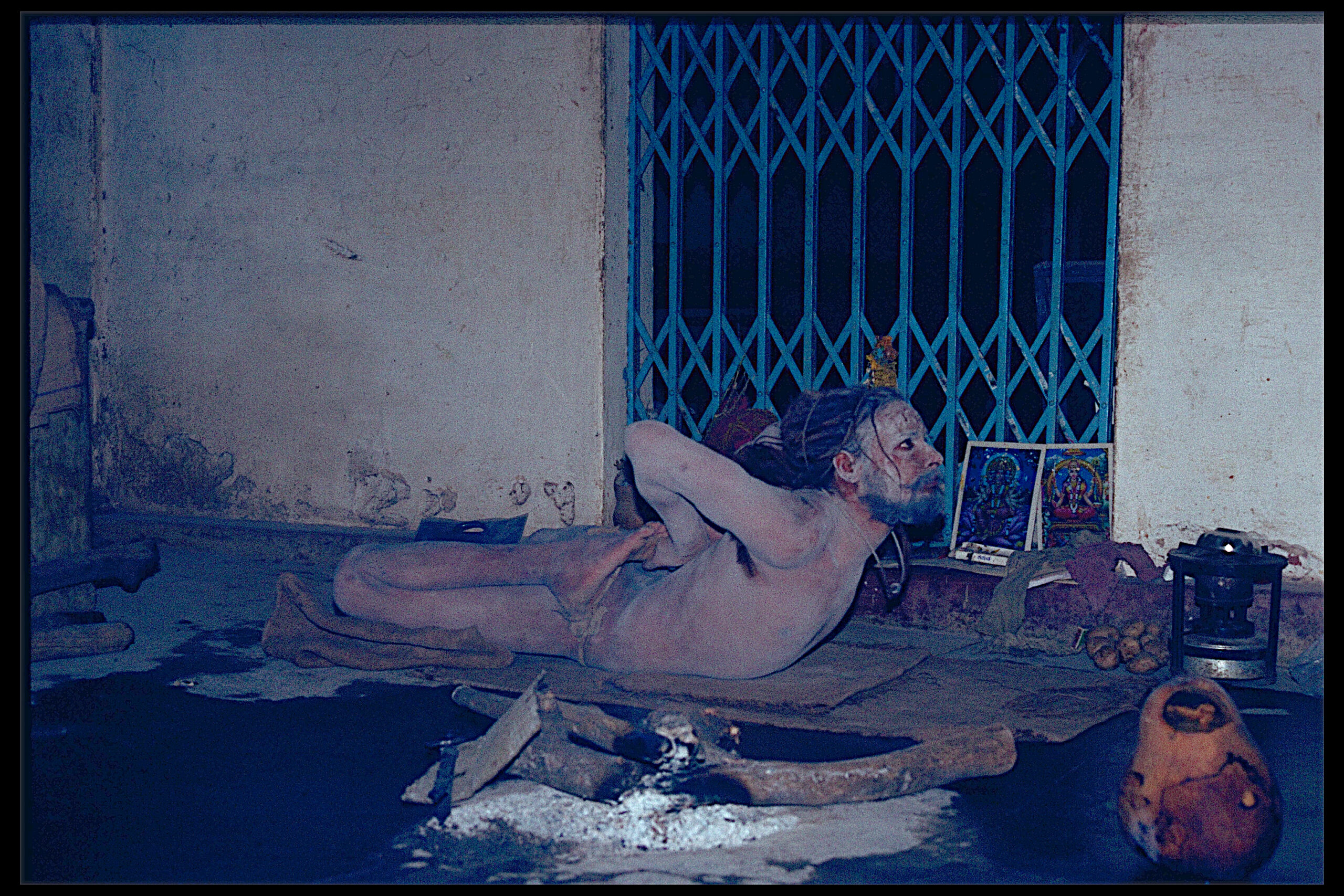
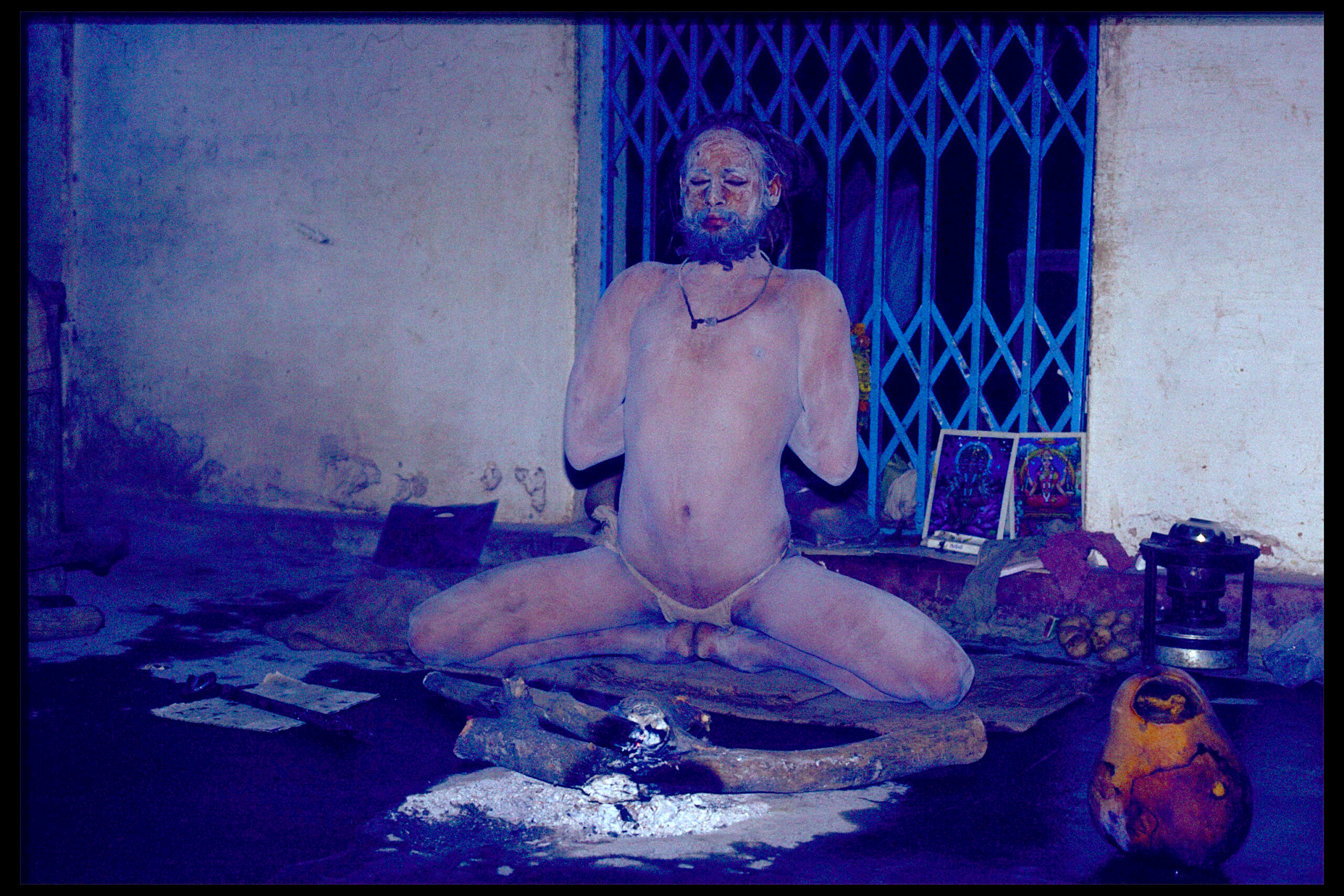
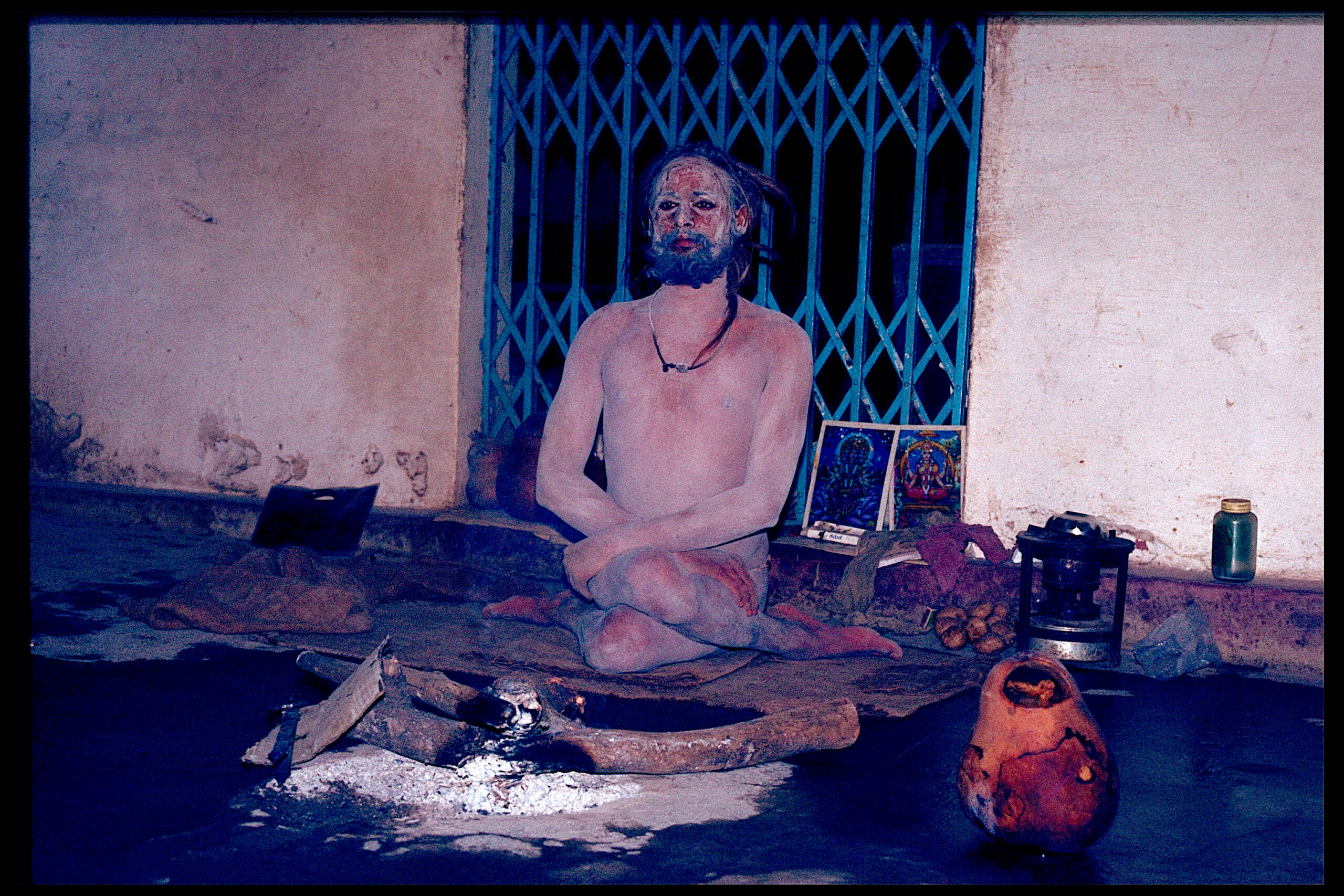
What is specific to Ashtanga Yoga
In Ashtanga Yoga (Yoga Korunta), the order of the postures in each series is unchangeable, and the transitions are linked rhythmically. The series grow in difficulty: you must master one before moving to the next. Its features:
- control of the pelvic floor (Mūla Bandha);
- a deep breath (Ujjāyī);
- focus of the gaze (drishti);
- dynamic transitions (Vinyāsa).

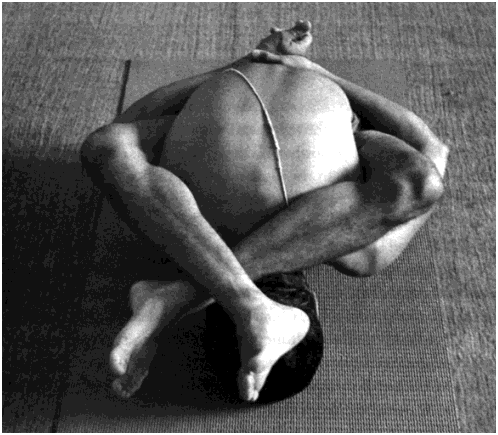
An overview of the main methods
Kripalu Yoga approaches practice with awareness and self-acceptance. Sivananda Yoga, popularised by André Van Lysebeth, rests on five principles (postures, breathing, relaxation, healthy diet, positive thinking and meditation). Satyananda (Bihar) Yoga works finely with the mental dimension.
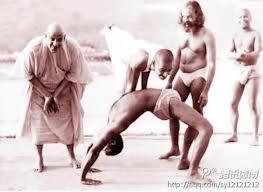


Bikram Yoga links 26 postures at 40 °C. Yoga of Energy, of Tibetan origin, emphasises the breath. Eva Ruchpaul’s Haṭha Yoga, called “secular”, favours the inner attitude.
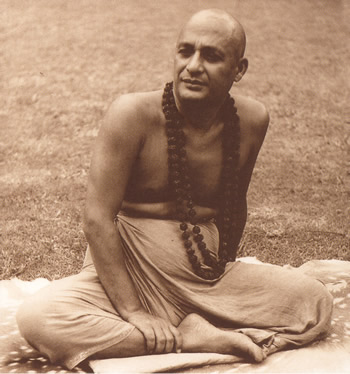
Kundalini Yoga combines postures, breath, chant and meditation. Anusara Yoga is built on alignment principles. Viniyoga, developed by Desikachar, adapts the practice to each individual.

Iyengar Yoga emphasises alignment and precision, with many props. Power Yoga takes the basics of Ashtanga in an aerobic style. Jivamukti Yoga is meditative and very physical. Vinyāsa Flow, more traditional, respects the original principles.
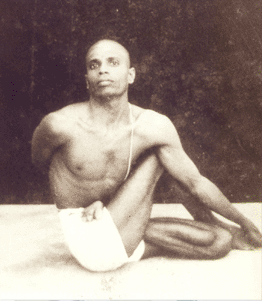
At the Ashtanga Yoga Institute, we practise as Sri K. Pattabhi Jois taught: “Practice, practice, practice, every day…”
In short
Behind the diversity of schools lies a single source: Haṭha Yoga. Ashtanga stands apart through its unchangeable order, its rhythmic breath and its intense practice — to be found at one’s own level.