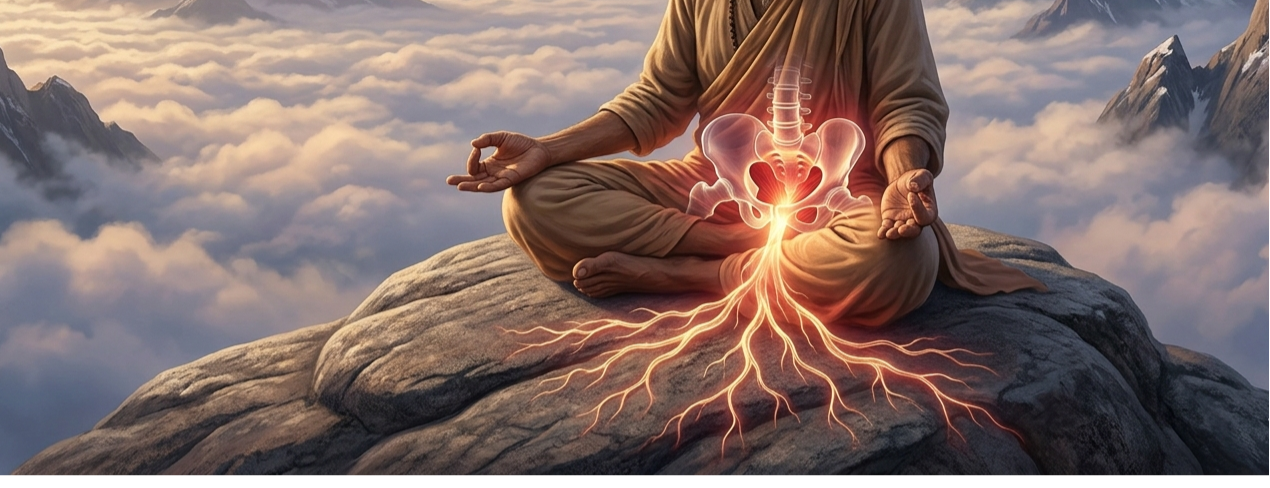
Mūla Bandha is one of the discreet yet essential foundations of the postural practice of Ashtanga Yoga. Located at the base of the body, it organises the pelvic floor, supports the posture and takes part in the practitioner’s inner stability. More than a mechanical contraction, it asks for attention, subtlety and regularity.
The first control: Mūla
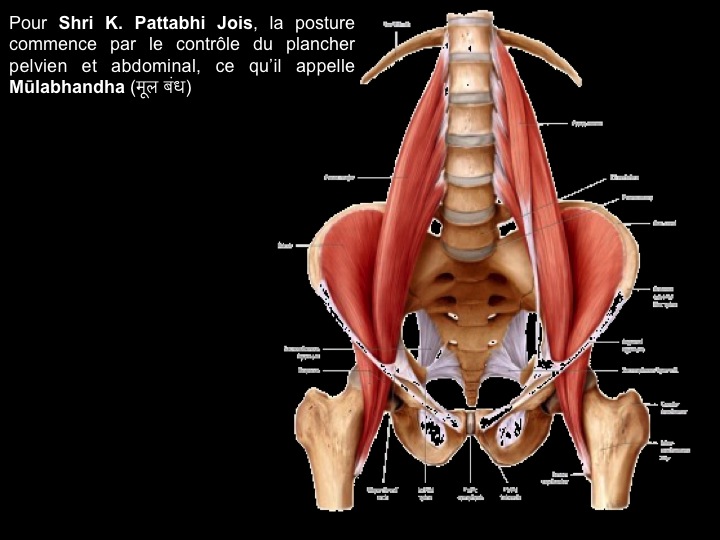
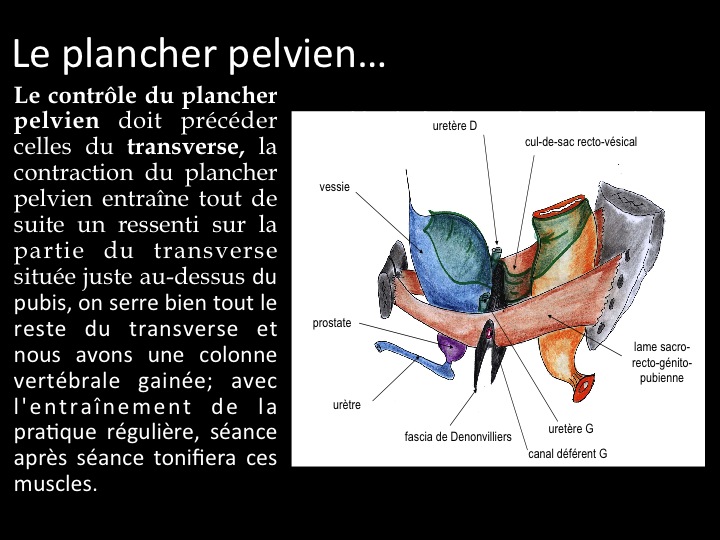
In the yoga tradition there are several muscular engagements (Bandha). The first is “Mūla”, the pelvic floor, the base.
- At the end of the exhale (when the lungs are completely empty);
- lift the anal sphincter (there is no need to clench it);
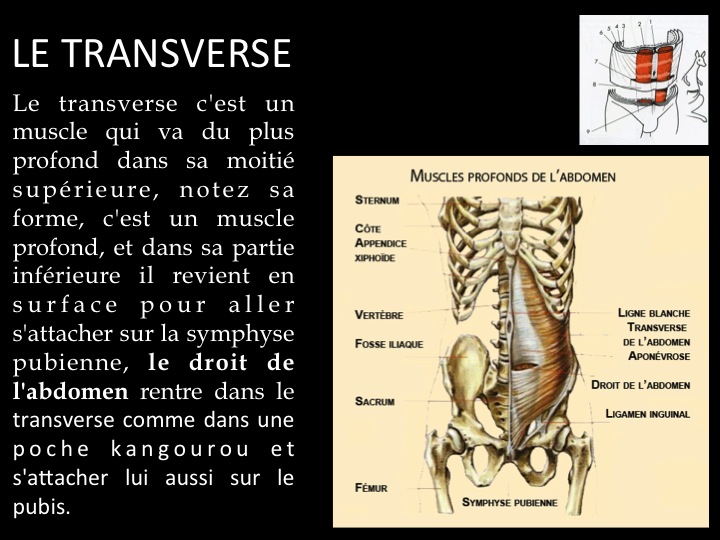
- this engagement draws in the lower belly.
Whatever the posture, Mūla Bandha produces the energy needed for a firm postural base, and it is held throughout the entire postural session.
A matter of attention and time
Mūla Bandha is not truly difficult to master — it is simply a matter of attention, concentration and time. Sri K. Pattabhi Jois considered that about five years are needed to master it completely. That learning time is telling: Mūla Bandha is not a quick, willed gesture repeated at speed. It is refined through practice, with the breath, in the postures and the transitions, as the practitioner learns to feel the base of the body without rigidity.
Mūla Bandha and Uḍḍiyāna
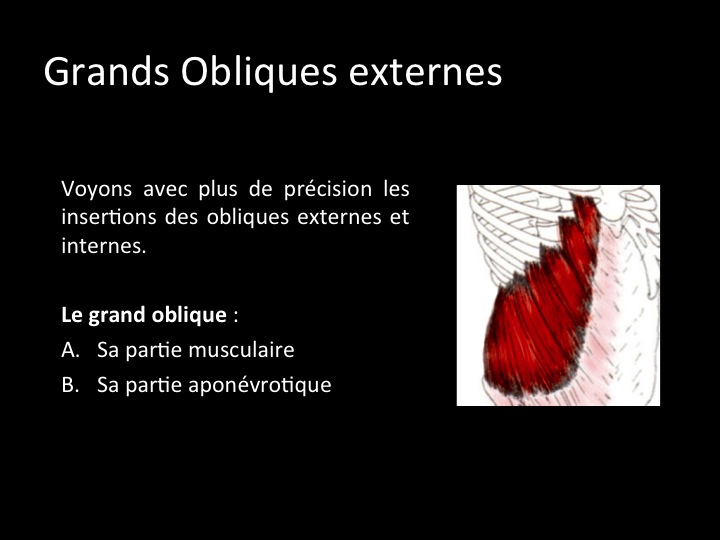
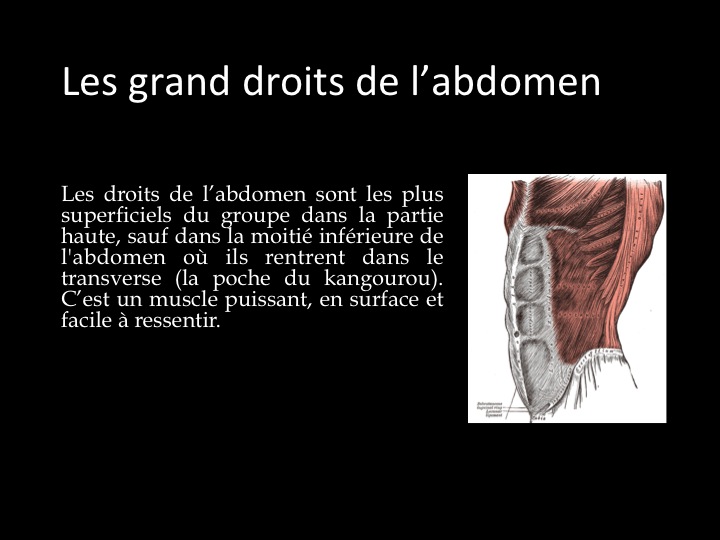
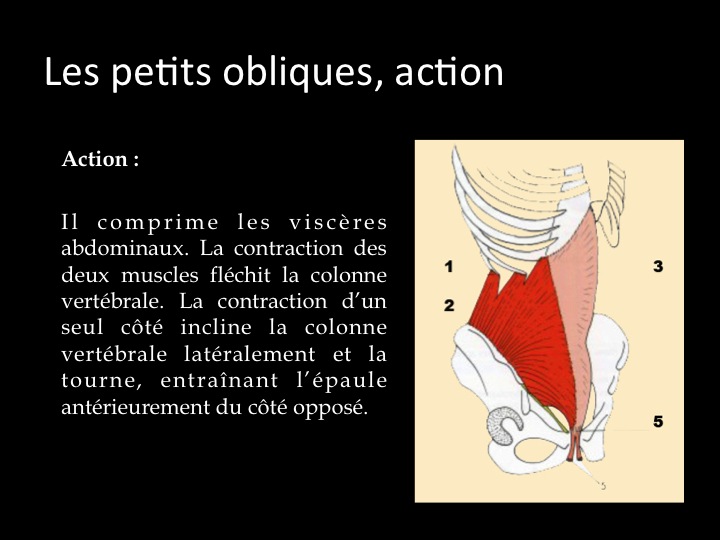
The second control is “Uḍḍiyāna”, the abdominal balloon (see its own page). Together, “Mūla Bandha & Uḍḍiyāna” form a safety system that protects the body through its action on the lower fascia (the reciprocal tension of the right and left fascia). This set takes part in controlling the energy of the body (Prāṇa). It is not enough to clench the anus and lift that sensation towards the centre of the abdomen, as some wrongly believe, for Mūla Bandha to be present — that would be too simple…
Understanding without forcing
In practice, the difficulty is to stay precise without becoming hard. Mūla Bandha supports the body but must not block the breath. It accompanies the exhale, steadies the pelvis and prepares the next movement — an inner presence more than a visible effort. This quality matters especially in Ashtanga Yoga, where the rhythm can grow intense. Thanks to Mūla Bandha, the series keeps its axis and the practitioner can move with more safety, stability and concentration.
Conclusion
Mūla Bandha calls for patience. Integrated gradually, it reveals a firmer base, a more conscious breath and a more unified practice.