Greek cuisine, made famous by the “Mediterranean” (or Cretan) diet, has been inscribed on UNESCO’s intangible cultural heritage list since 2010. Tasty and good for your health, it helps protect against cardiovascular disease and cognitive decline.
A Mediterranean cuisine
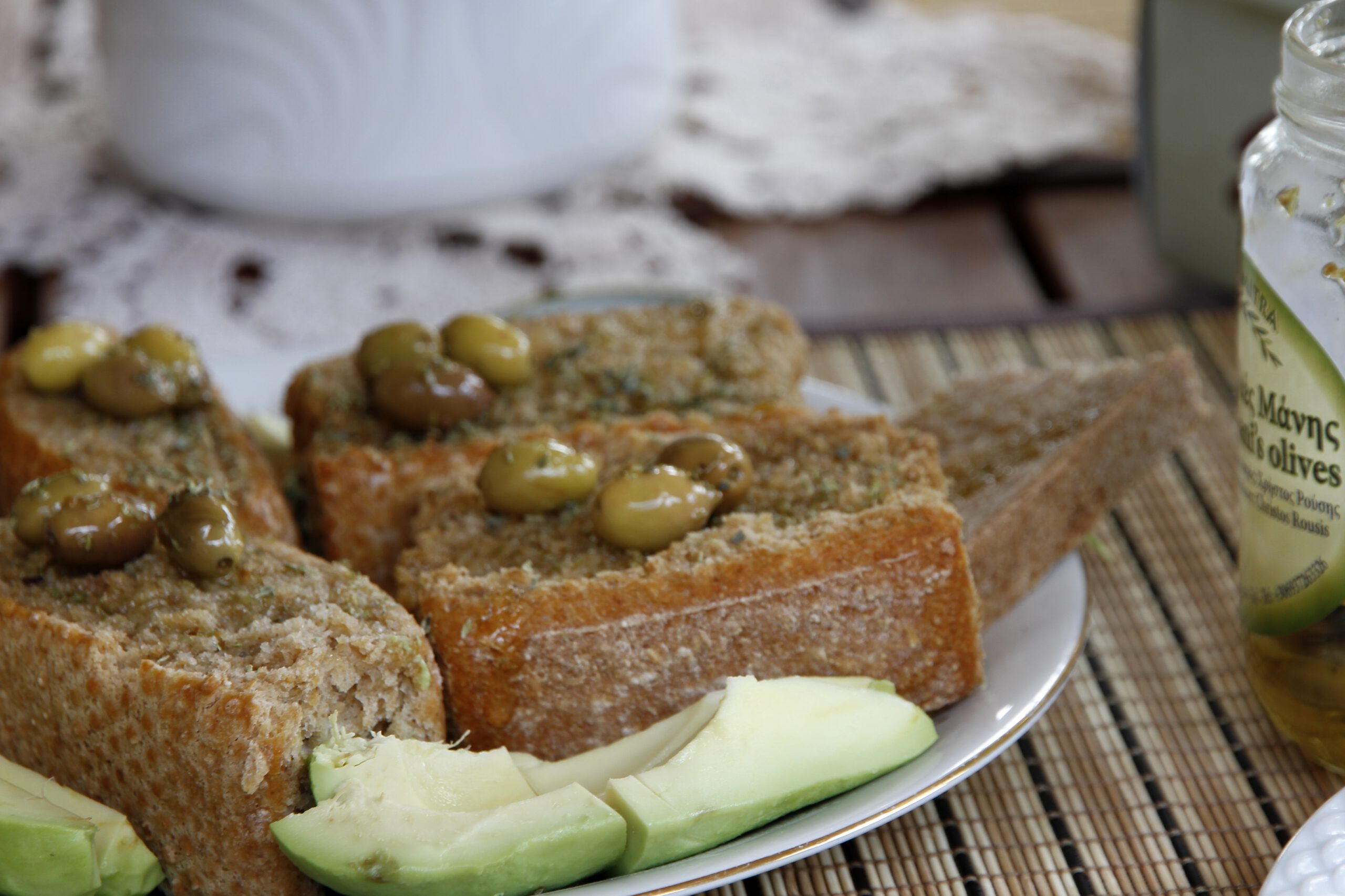
It gives pride of place to olive oil and nuts (omega-3), to herbs, vegetables and grains. Olives, aubergines, courgettes, tomatoes, yoghurts and cheeses are famous the world over — and the wine is delicious.
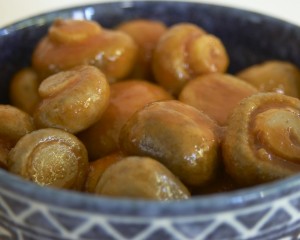
Those with a sweet tooth will be in paradise with the desserts, based on honey and nuts. Served with wine, ouzo or raki, the mezze offer a fine array of typical dishes.
At the Greek table
In a restaurant, if you do not speak Greek, no stress: you go straight to the kitchen, lift the lids and order what you like. Greeks go mainly to feel good among friends — standing is not the concern (paper tablecloths, dishes sometimes served out of order); what matters is eating well, generously and cheaply. There is the taverna (more convivial), the estiatorio (restaurant) and the ouzeri, where the mezze accompanying the ouzo make a real little meal.
On the island of Andros, for your seminar, you will be fed at the Karanasos Hotel. Our host Sophia, an excellent yoga teacher, is also a wonderful cook: at every meal, the quality and inventiveness of the Greek culinary tradition will surprise you, with mostly organic ingredients.

A few tasty landmarks
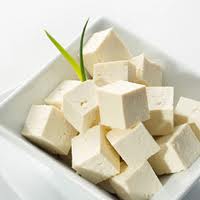
- Feta: the famous cheese, also fried, with sesame, honey or as a paste.
- Greek salad (khoriatiki): the essential starter.
- Tzatziki: yoghurt, cucumber, garlic, olive oil and herbs.
- Melitzanosalata: aubergine salad.
- Moussaka: vegetarian versions also exist.
- Kolokithia tiganita: sliced fried courgettes.
- Dolmades: the famous stuffed vine leaves.
- Briam: a kind of ratatouille (potatoes, courgettes, peppers, tomatoes).
- İmam bayıldı: aubergines stuffed with onions, tomatoes and herbs.
- Stuffed tomatoes and peppers — Yemista: stuffed with rice (no meat), humorously called orphana (“the orphans”) — my son Surya’s favourite dish.
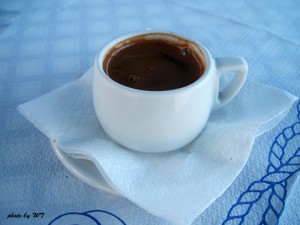
To taste: Greek coffee (avoid calling it “Turkish”) — ask for “éna helliniko, parakaló!”, served with a glass of water; and retsina, a lightly resined table wine, very typically Greek.