Sthira (स्थिर): steadiness and rooting in Yoga
Sthira (स्थिर) is Sanskrit for strength, firmness, solidity, stillness or steadiness. It describes a constant steadiness, at once physical and mental.
The word is well known from the Yoga Sūtra of Patañjali.
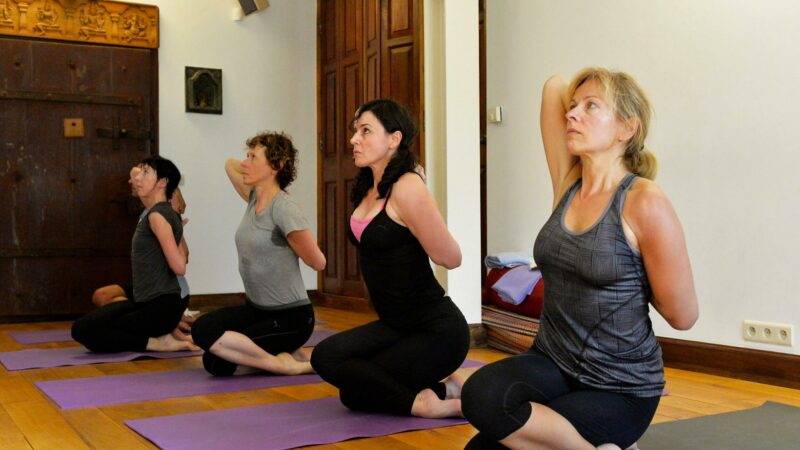
In the practice of yoga, sthira stands for physical steadiness, mental rooting and firmness of spirit.
Sthira on the mat
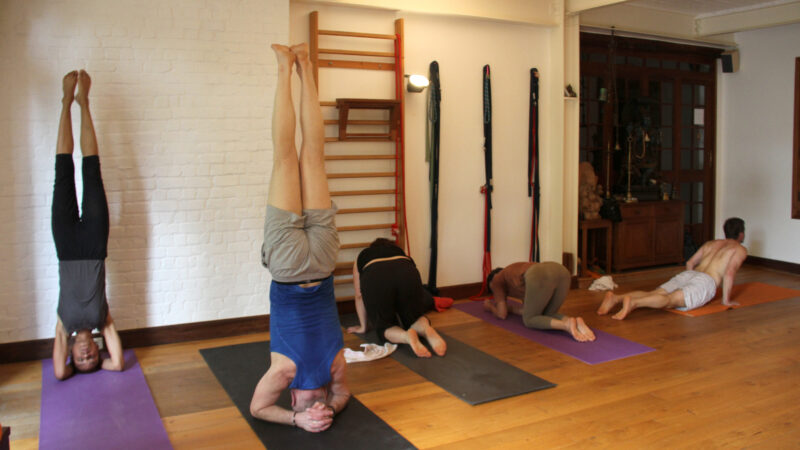
- Physical steadiness: the deep muscles engage, the bones align precisely, and the points of contact with the floor — feet, hands, pelvis — root firmly.
- A quiet mind: a settled gaze (dṛṣṭi) and a still mind, so as to pass through the discomfort of a posture without agitation.
- Working with the breath: a regular, deep breath (ujjāyī) that serves as an anchor when the body is working hard.
The necessary balance between Sthira and Sukha
A yoga practice cannot rest on sthira alone. It calls for a constant balance with its opposite, sukha — softness, space, ease:
| If the practice lacks... | What follows, in body and mind |
| Sukha (too much sthira) | Rigidity, extreme muscular tension, a blocked breath and frustration. |
| Sthira (too much sukha) | Slackness, instability, the risk of injury through hypermobility, and a scattered mind. |
Sthira in everyday life
Philosophically, developing sthira on the mat is a way of cultivating resilience day to day. It teaches one to stay rooted, dignified and unshaken in the face of the unexpected, of crises, of the emotional storms of ordinary life.