Aṅga (अङ्ग): this Sanskrit word carries several major meanings.
- Limbs, parts of the body, stages or branches — inseparable parts of one whole.
- The eight limbs, or practices, of Aṣṭāṅga Yoga (« yoga of eight limbs », from aṣṭa = eight, aṅga = limb, yoga = union). It is also called Rāja Yoga, or classical yoga, in the Yogasūtrāṇi of Patañjali. The eight aṅga are:
- Yama: the rules of social and ethical conduct towards others.
- Niyama: personal disciplines, the conduct one holds towards oneself.
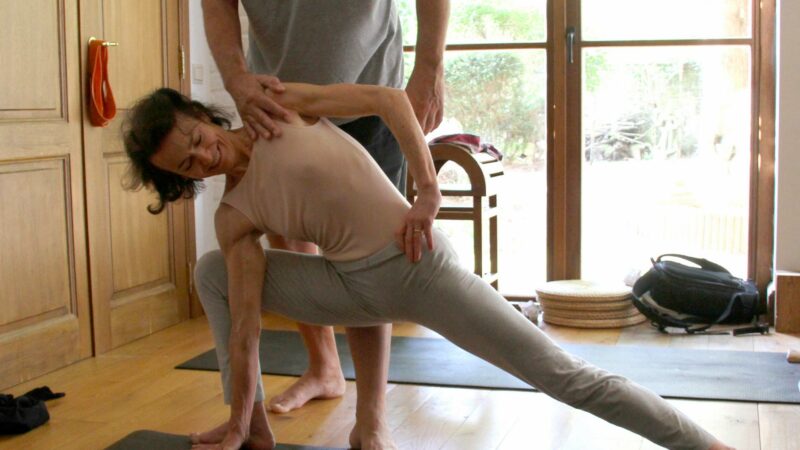
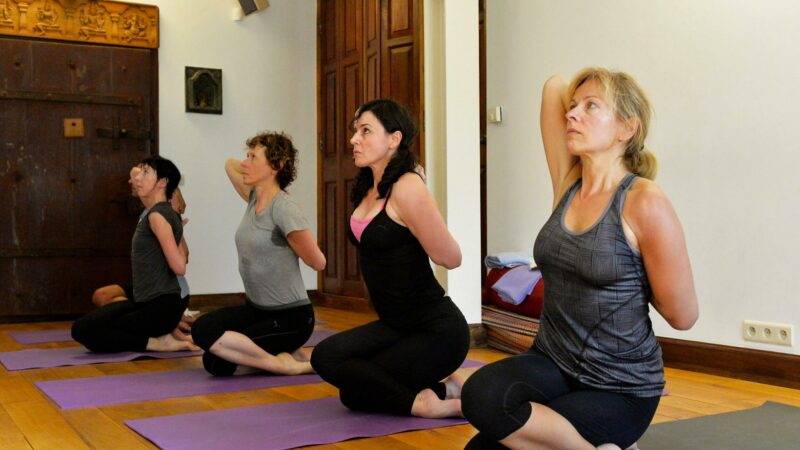
- Āsana: the physical posture, which must join steadiness — without strain — and ease.
- Prāṇāyāma: the regulation and expansion of the breath, freeing the vital energy.
- Pratyāhāra: the withdrawal of the senses from outward distraction, opening an inner listening.
- Dhāraṇā: the deep concentration of the mind on a single point.
- Dhyāna: continuous meditation, where the mind is no longer disturbed by its own fluctuations.
- Samādhi: complete absorption, or the state of deep spiritual contemplation.
- The Vedāṅgas (or Ṣaḍaṅga): the six auxiliary sciences needed to study, pronounce and rightly understand the sacred texts, the Vedas.
- Aṅga, an ancient kingdom of the Indian subcontinent: lying in the east of India, it flourished from the sixth century BCE until it was annexed by the powerful kingdom of Magadha. The Mahābhārata and the Puranic literature trace its name to prince Aṅga, its founder.
- Mythology (Rāmāyaṇa): this is where Kāmadeva — god of desire and beauty, often compared to Eros — was consumed by the gaze of Śiva. Stripped of his body (aṅga), the fragments of his being were scattered there.
- Geography: it corresponds today to territories mainly in Bihar, around Bhagalpur, and part of West Bengal.