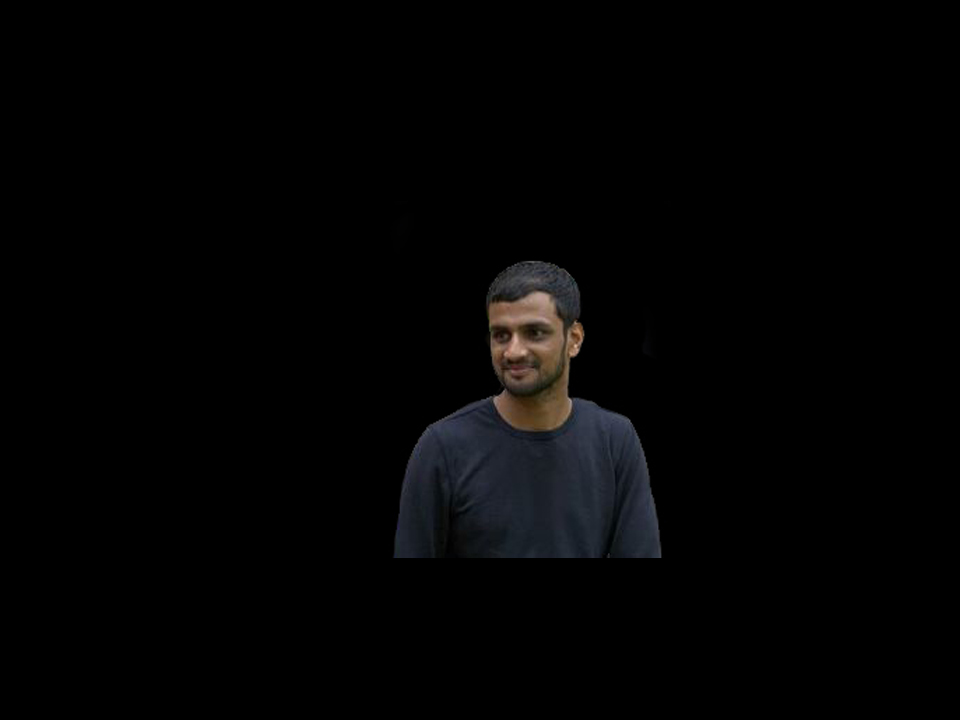
Becoming an Ashtanga Yoga teacher is not learned in a few weeks: it is a matter of years of practice, within a lineage. That is the whole meaning of our training, transmitted in the direct filiation of Sri K. Pattabhi Jois. Before presenting its framework, let us give the floor to his grandson, R. Sharath Jois, who forcefully recalls what an authentic transmission demands.
The message of R. Sharath Jois
A certificate does not make a teacher
“In this modern world, everything is instant. No one has patience. Everyone wants to get everything as fast as possible — and this has become true of Yoga too. In many places you are certified a teacher in fifteen days or a month. Yoga is growing, but it is also going crazy. It is not Yoga that goes crazy: it is people who turn it into something crazy. They do not understand the meaning of Yoga, its purity. A Yoga teacher should always maintain the purity of the practice.”
Sharath illustrates his point with a childhood memory: just as he once believed, after seeing Enter the Dragon, that every Chinese or Japanese person must know martial arts, many today imagine that anyone in traditional Indian dress is a yogi. Hence the importance of choosing your teacher: “someone who can guide you correctly, who has practised for many years, and who comes from a lineage.”
Paramparā: learning through the lineage
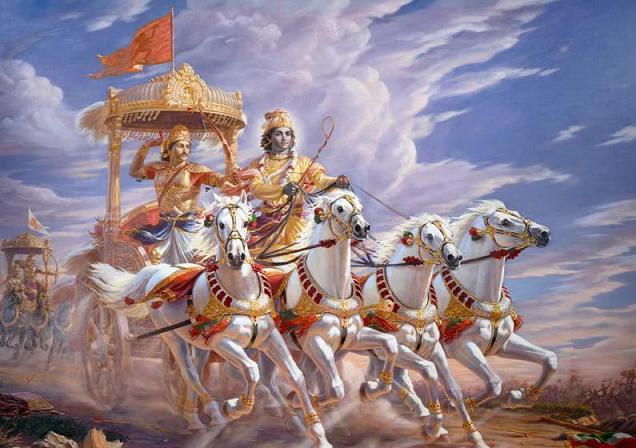
“The Bhagavad-Gītā says everything about the practice of yoga in eighteen chapters, and how to learn it through paramparā — transmission within a lineage. As Krishnamacharya learned from Ramamohan Brahmachari; as Pattabhi Jois learned from Krishnamacharya. It is a transmission — not a phone booth you open on a street corner. For a teacher to transmit knowledge to students, he must first learn for many years and experience it within himself.”
The four D’s: devotion, dedication, discipline, determination
“If you practise one, two, three years, you will not reach the depth of Yoga. As long as you drift on the surface, you will be bored and learn nothing. But once you dive into the depths, you discover their beauty. This is only experienced with devotion, dedication, discipline and determination — the four D’s.”
Sharath reminds us that the postural practice has meaning only when tied to the yama and niyama — non-violence (ahiṃsā), truth (satya): “What is the use of a beautiful body if we do not have a good heart?” The āsana is the foundation of a spiritual edifice — and a foundation must first be true.
The guru–śiṣya relationship
“The relationship between a guru and his śiṣya is like a father-son relationship. My source of inspiration is my grandfather. Every day at 3:30 he chanted; at 4 he was ready to teach his class. I learned by watching and assisting him for years. That is the only way knowledge is transmitted.”
What this means for our training
This is exactly the spirit of our teacher training. It belongs to the lineage of Pattabhi Jois, carried by the experience of Jean-Claude Garnier, who has taught since 1974. It runs over three years — monthly sessions and an annual retreat — along a “spiral” path in which the first year’s learning echoes into the third. We do not train certificate-holders, but an authentic succession: rigorous and humble, able to link Ashtanga, anatomy, philosophy and pedagogy. “Feel and verify for yourself.”