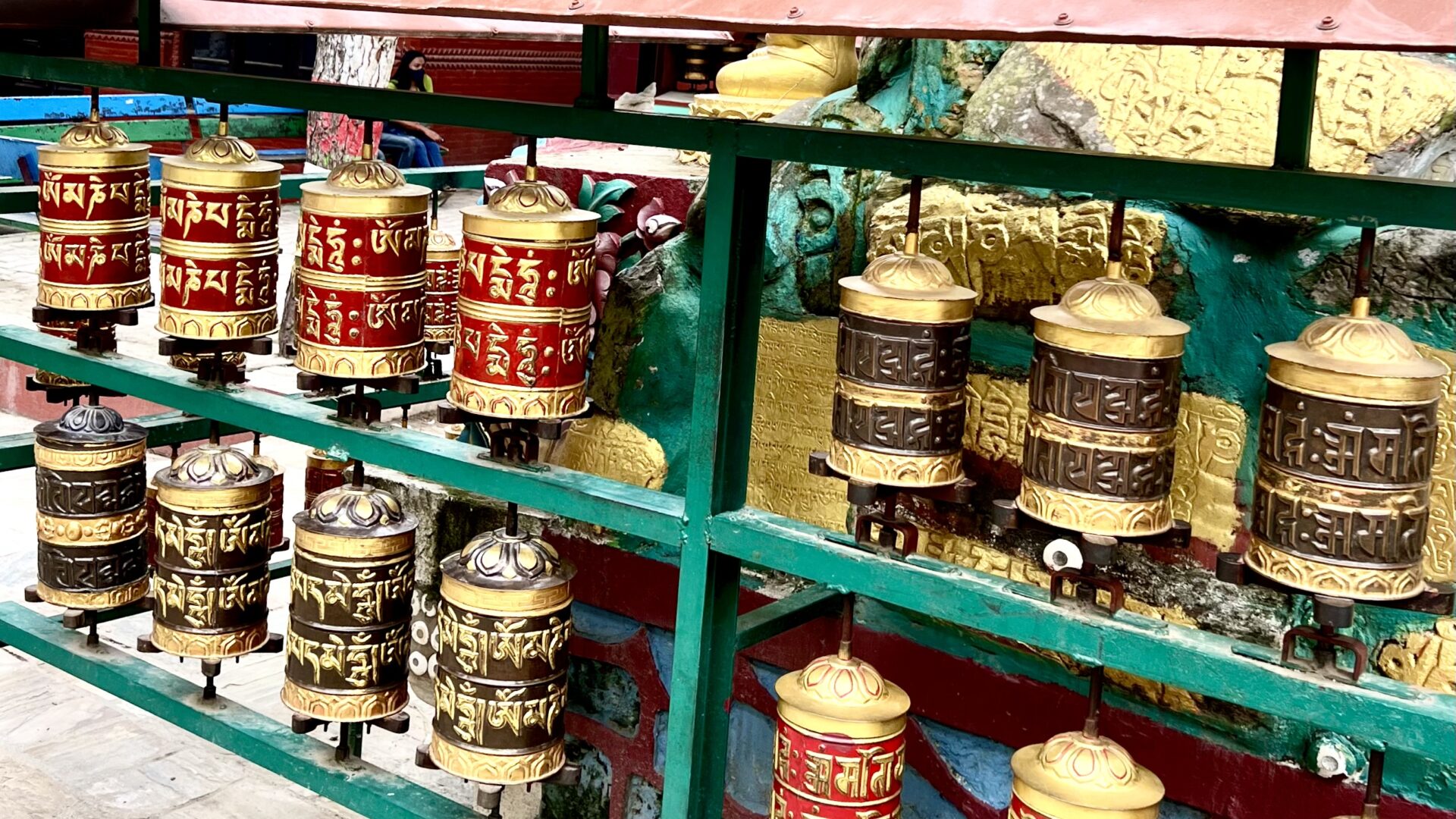
The invocation and the prayer of the heart open an inner space even before the physical practice begins. This letter presents the invocation as a passage from profane time to a more sacred time, where the body, the breath and consciousness gather.
The invocation as a rite of passage
This News Letter n° 11 was written in April 2012 in Kalamata, southern Greece. From darkness to Light, the path of Yoga, way of the prayer of the heart — by Jean-Claude Garnier.

Vande gurūṇāṁ caraṇāravinde
sandarśita svātma sukhāva bodhe
niḥśreyase jaṅgalikāyamāne
saṁsāra hālāhala mohaśāntyai…
The invocation is an inner attitude, a rite of passage from profane time to sacred time. It seeks a turning of the senses — usually turned outward — towards the inner, in order to reach the feeling of unity with oneself. It is a time devoted to the awakening of the inner life in the practitioner’s heart.
Towards inner silence
After the agitation of the profane world, this time allows us to find “stillness, rest, calm, silence” — from the Greek hesychasmos, “to be at peace, to keep silence”. It aims at the peace of the soul.

“God became man, so that man could become God.”
Athanasius of Alexandria (298–373)

“As soon as God perceives in us the least seed of goodwill, he pours his light into it, strengthens it and draws us towards salvation, making that seed grow.”
John Cassian (Conf. 13, 8)
Om Shanti — peace, strength and deep joy,
Jean-Claude Garnier
In short
The invocation prepares the practitioner to enter a deeper quality of attention. It links the practice of the body to a vaster inner presence.