
The yogi’s diet is not a rigid rule: it accompanies the practice, the energy and inner clarity. This News Letter gathers concrete principles to nourish the body without weighing it down, keeping the link between discipline, balance and listening to oneself.
Diet and yoga practice
This News Letter n° 13 was written in August 2014 in Mahābalipuram, South India.

A few Western principles
- Breakfast is essential.
- Avoid hunger between meals.
- Favour protein in the morning and at midday.
- Favour carbohydrates in the evening.
- Twice as much grain as vegetables, midday and evening.
- A soup at midday and in the evening if possible.
- Drink good-quality water (alcohol favours fat).
- Bananas, pasta, rice and potatoes do not make you fat; eggs are not bad for cholesterol.
- Do not lock yourself into rules — keep living joyfully.
Āyurvedic principles and the three guṇa
The Sanskrit word for food, annam, means “that which springs from the earth, produced with spring water, the sun and the wind”. Annapūrṇā, goddess of food, is a name of Pārvatī. According to Āyurveda, the essence of the universe is expressed through the six tastes: sweet, sour, salty, pungent, bitter and astringent. The essential yogic attitude to food is moderation.
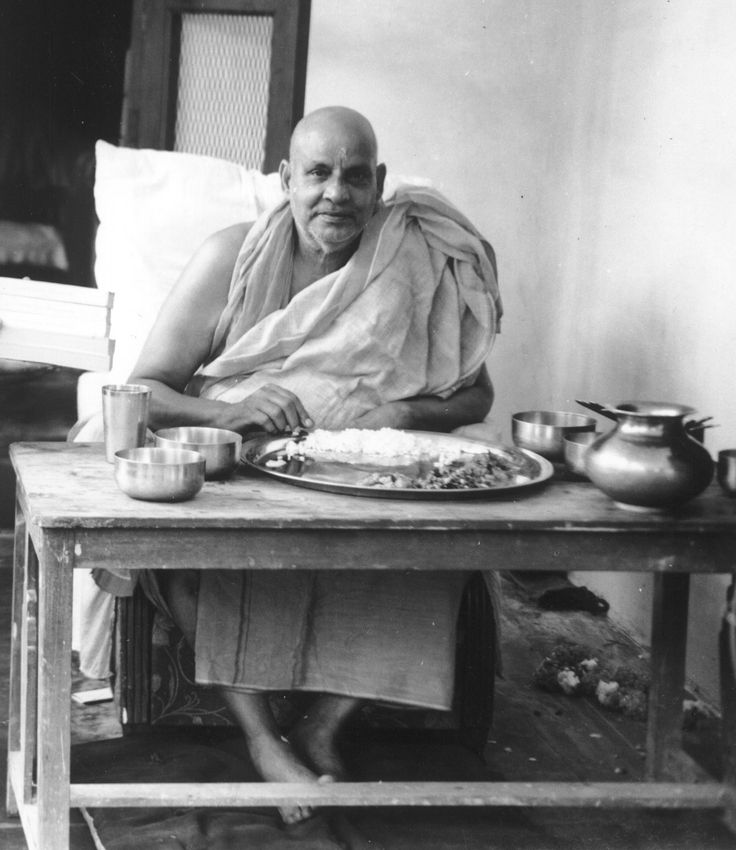
“Eat in moderation what you know from experience to be agreeable and digestible for you. Simple food is best.”
Swami Sivananda
The yoga tradition classifies food by the three guṇa — the fundamental qualities of all life (Prakṛti): Sattva (calm, balance, purity), Rajas (energy, movement, agitation, desire) and Tamas (rest, inertia, heaviness, darkness).
Sattvic, rajasic and tamasic food
Sattvic food is vegetarian, natural, organic, cooked gently and eaten soon after — and prepared with love and gratitude. It digests easily, brings an alert yet calm state, and supports good health; practitioners of yoga follow this diet. It combines whole grains, pulses, fresh fruit and vegetables, dried fruit, milk and fresh butter, natural sugars (jaggery, honey), fresh herbs and herbal teas — excluding onion, garlic and mushrooms.
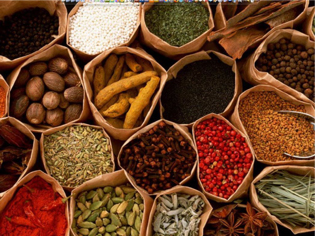
Rajasic food strongly stimulates the nervous system but destroys the body-mind balance: coffee, tea, cola, chocolate, refined sugar, onion, garlic, hot spices, sour flavours, fried and rich foods. Remember: even a sattvic food eaten too fast or with a poor attitude becomes rajasic.
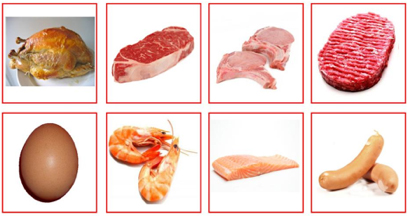
Tamasic food brings heaviness, a dull complexion and lethargy; it contains no prāṇa. Old, stale, burnt or overcooked foods, meat, fish, eggs, mushrooms, vinegar and alcohol are tamasic. (Honey should never be cooked, and over-ripe fruit becomes tamasic.)
To go further
The Yoga Cookbook: Vegetarian Food for Body and Mind (Sivananda Yoga Vedanta Centre) — over 170 recipes following the principles of yogic diet.
Om Shanti,
Jean-Claude Garnier
In short
The yogi’s diet seeks above all balance. Supporting the practice without excessive rigidity, it helps the body stay available, light and steady.