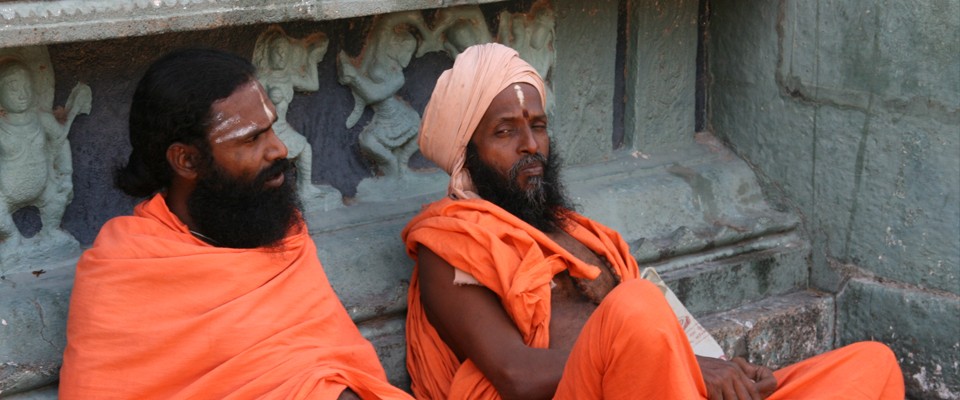
Tiruvannāmalai is one of the great places of pilgrimage in South India: its immense Annamalaiyar temple dedicated to Śiva, its legendary sacred hill of Arunachala, and the ashram of Sri Ramana Maharshi, one of the greatest sages of the 20th century.
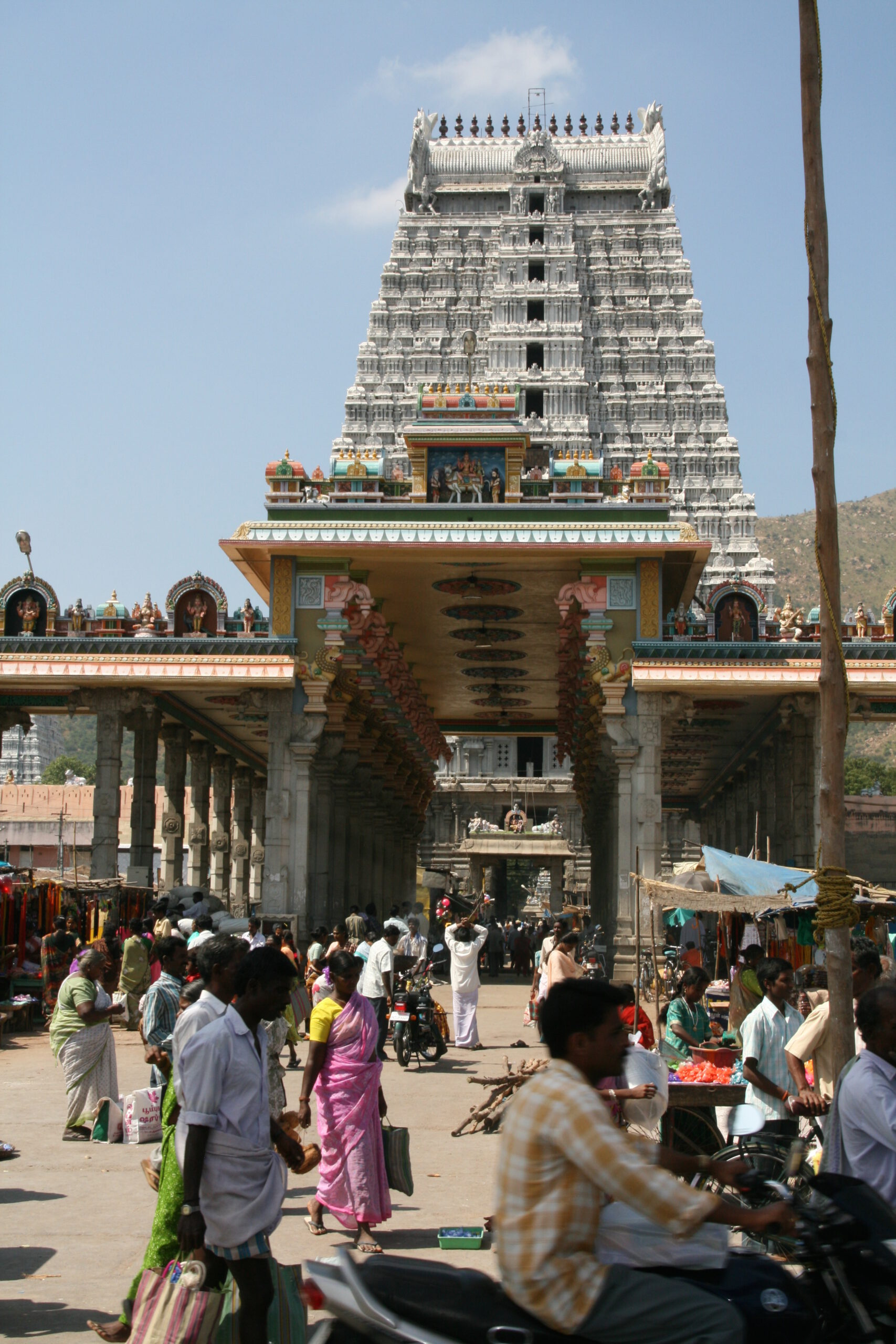
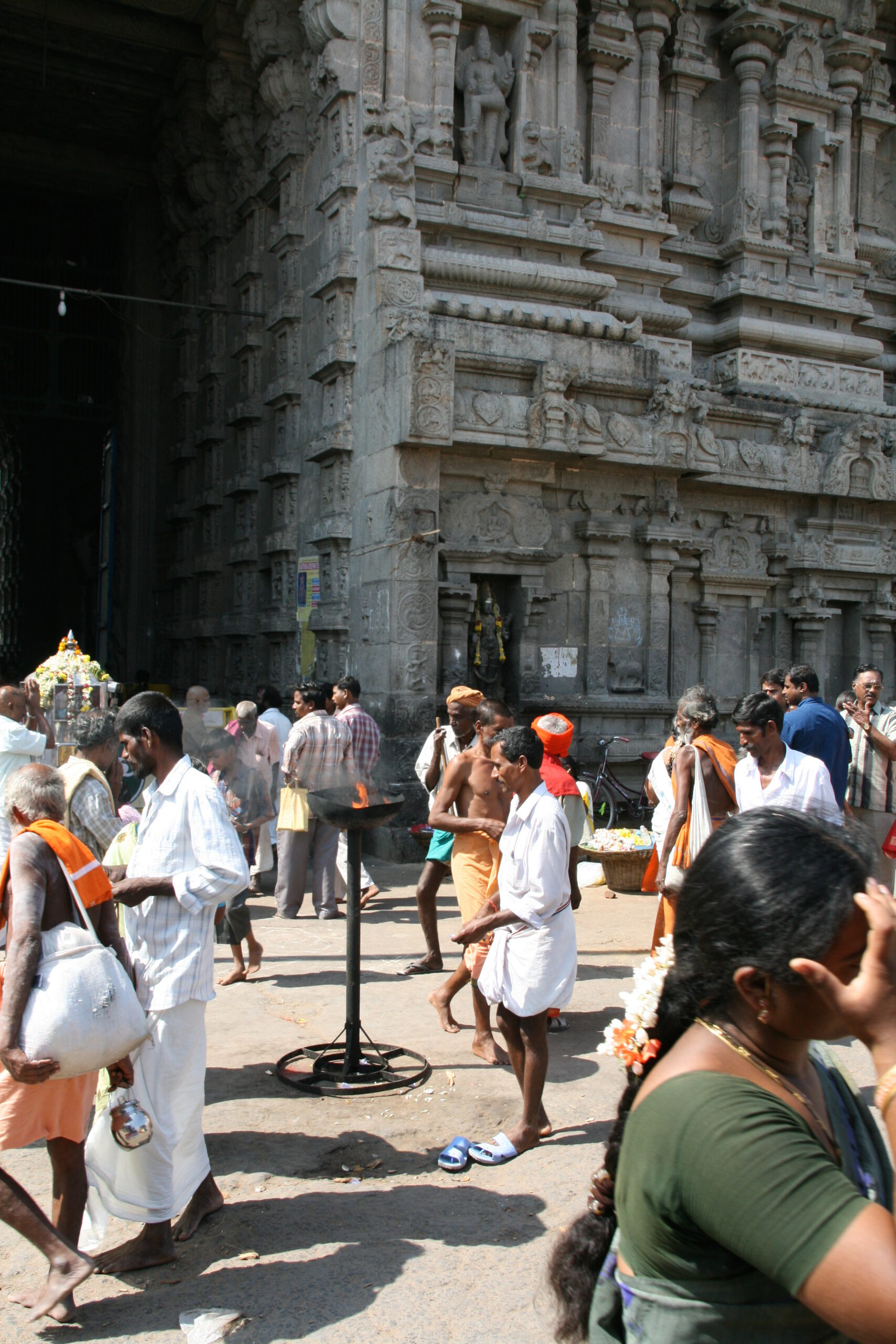
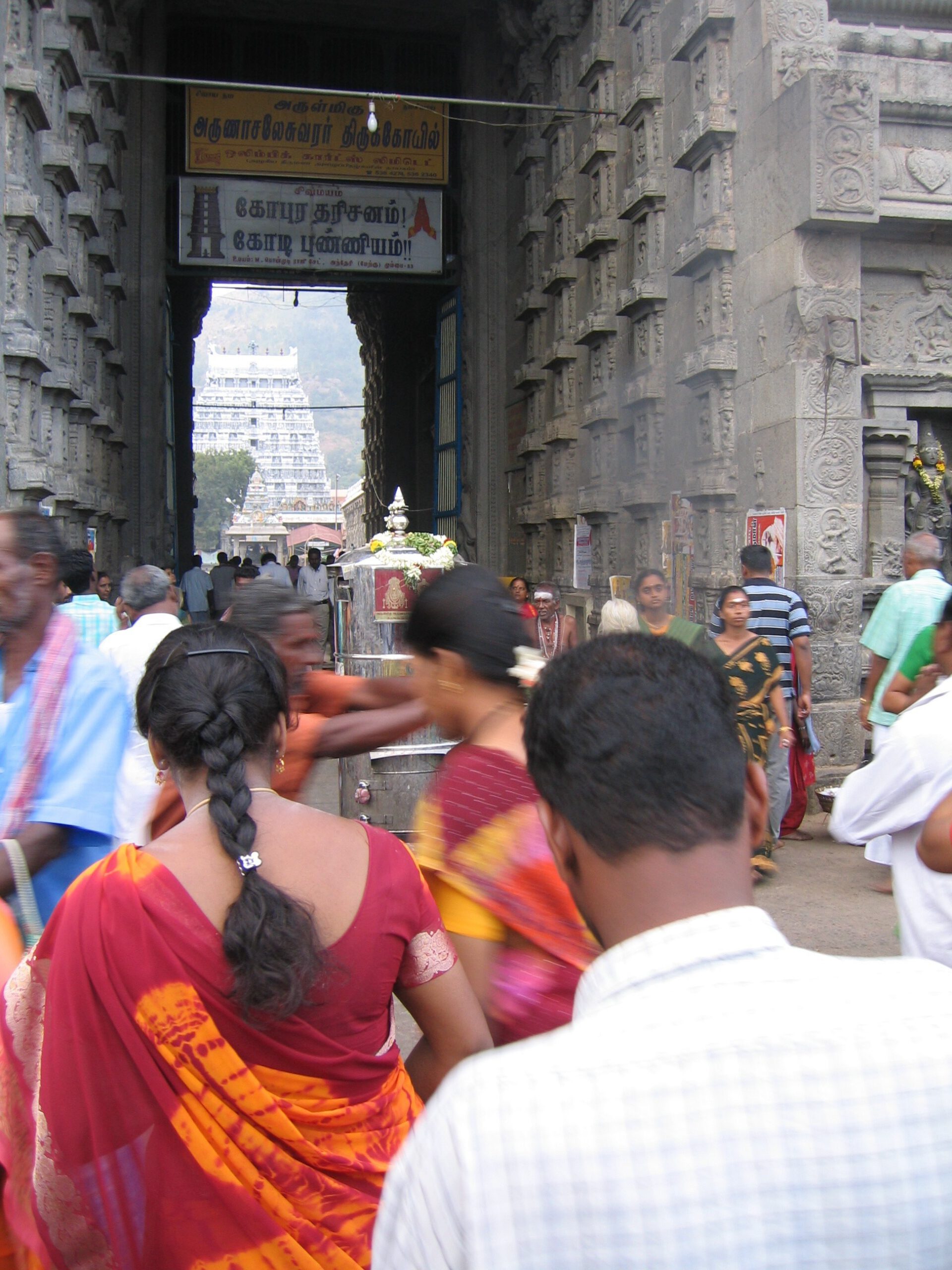

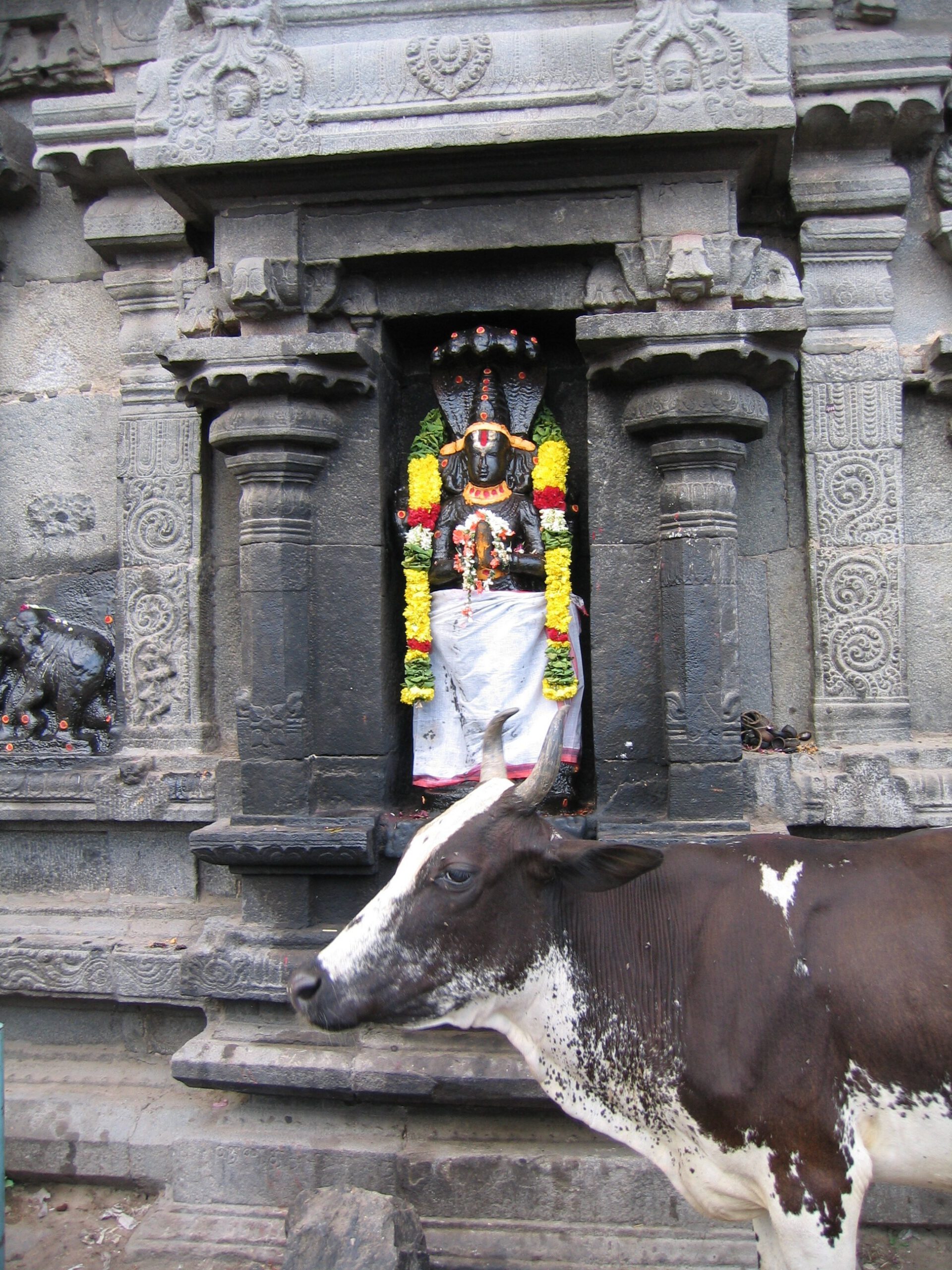
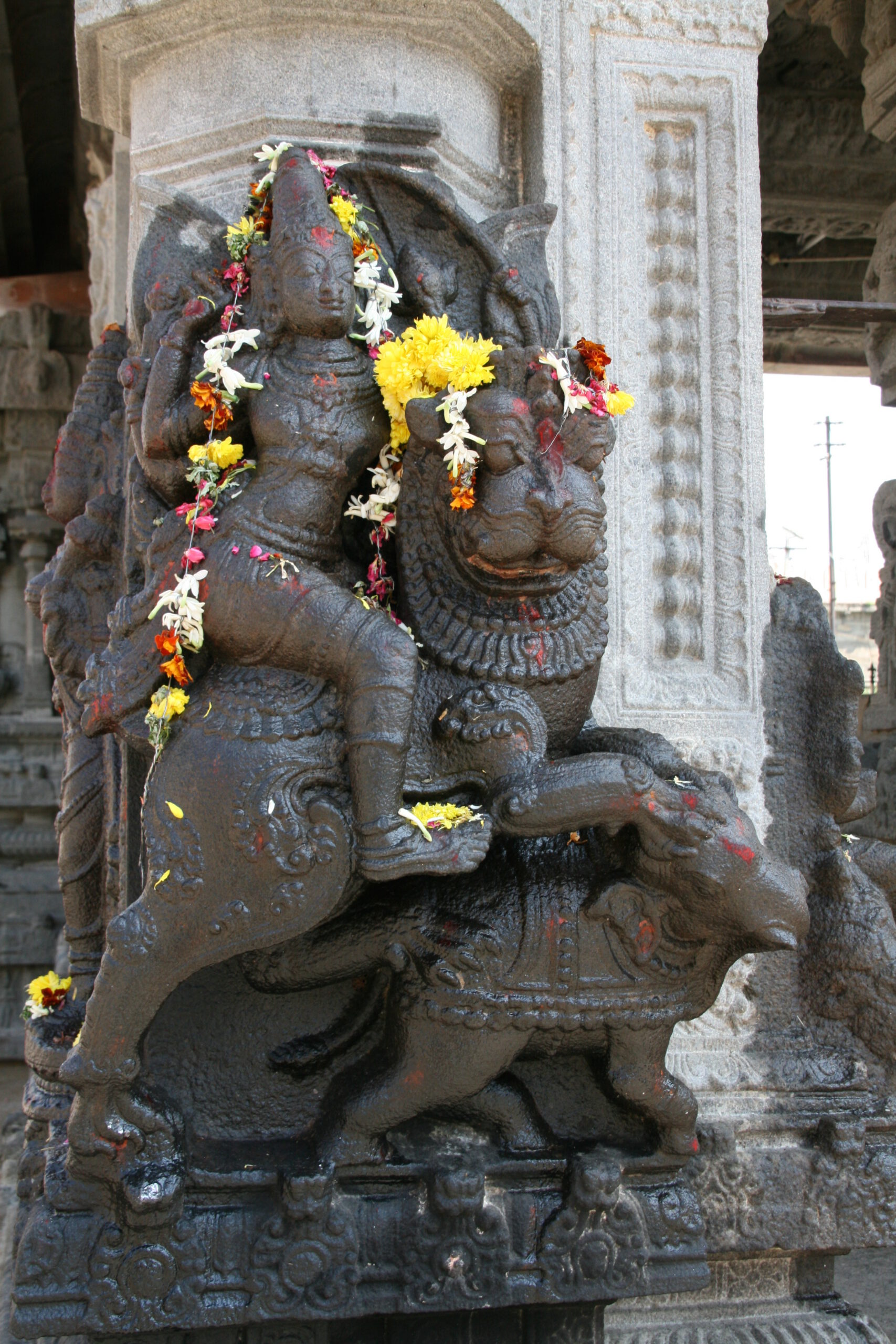
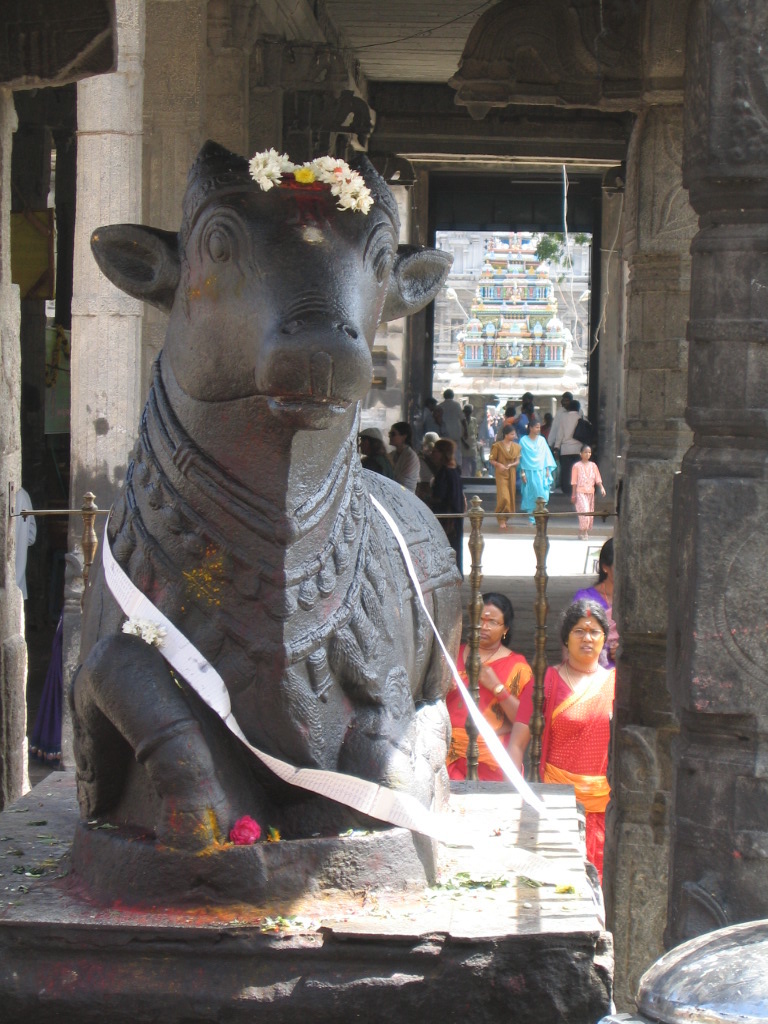
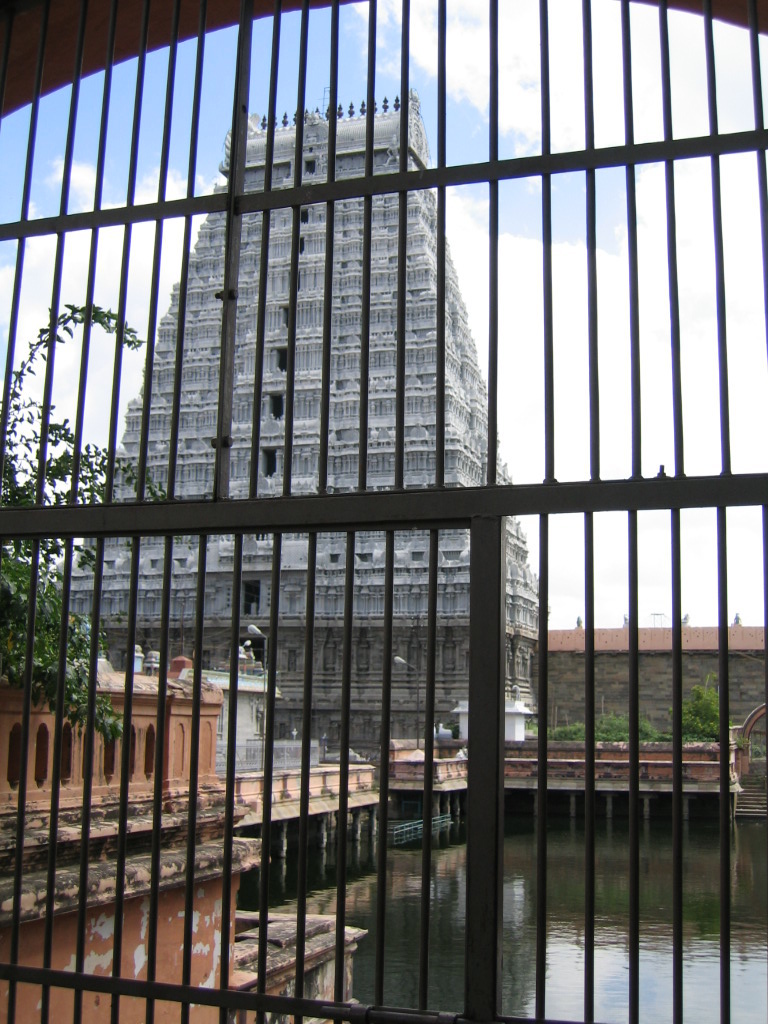
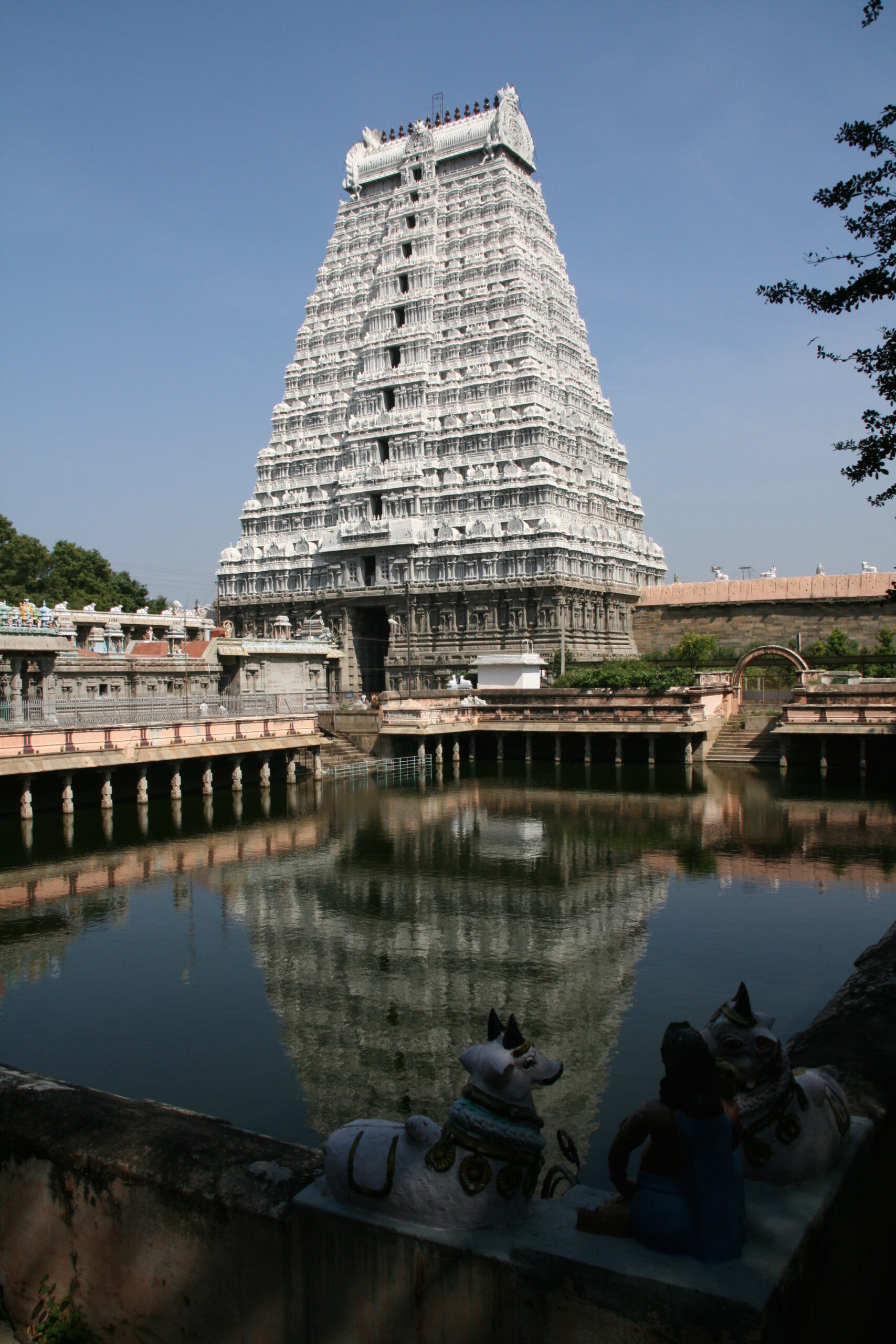
The Annamalaiyar temple
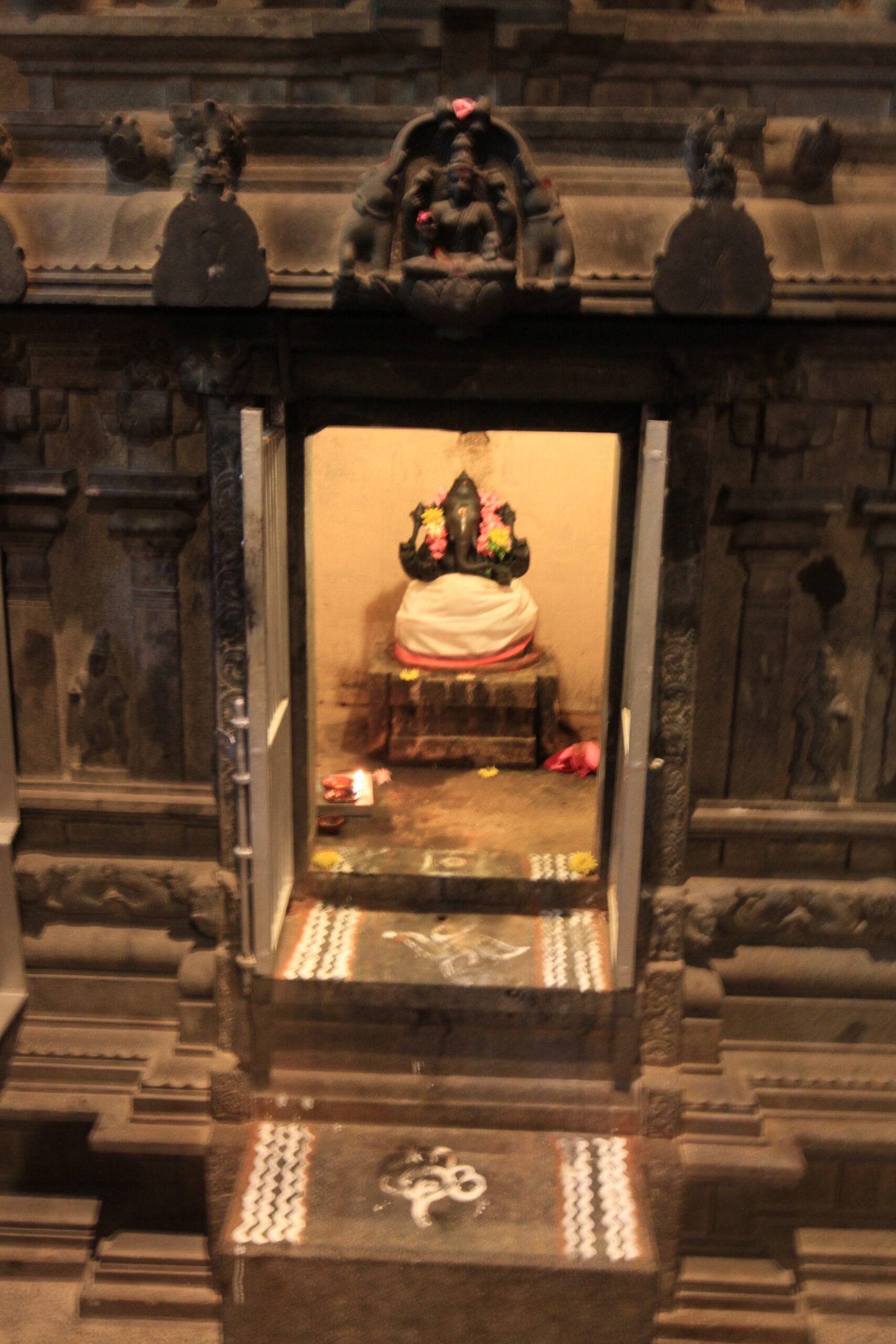
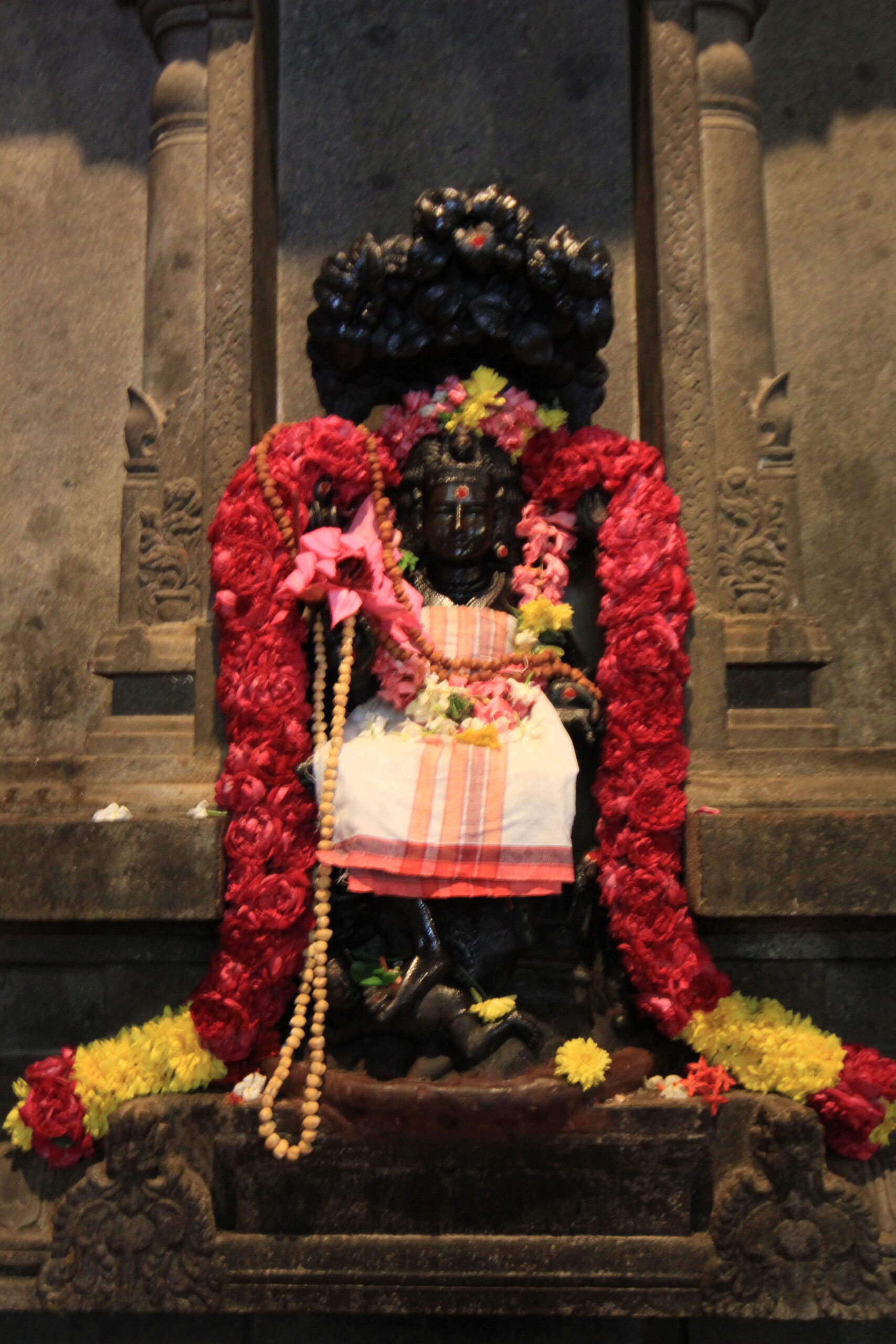
One of the largest in India (10 hectares), ringed by an enclosure with four monumental towers (gopuram), magnificently carved and painted in the 9th-century Chola style. The eastern gopura reaches 66 metres — one of the tallest in the country. The thousand-pillar hall is superb; the temple lives by six daily rituals and twelve annual festivals, including the famous Karthikai Deepam (November–December full moon), when a giant fire is lit atop Arunachala in honour of Śiva.
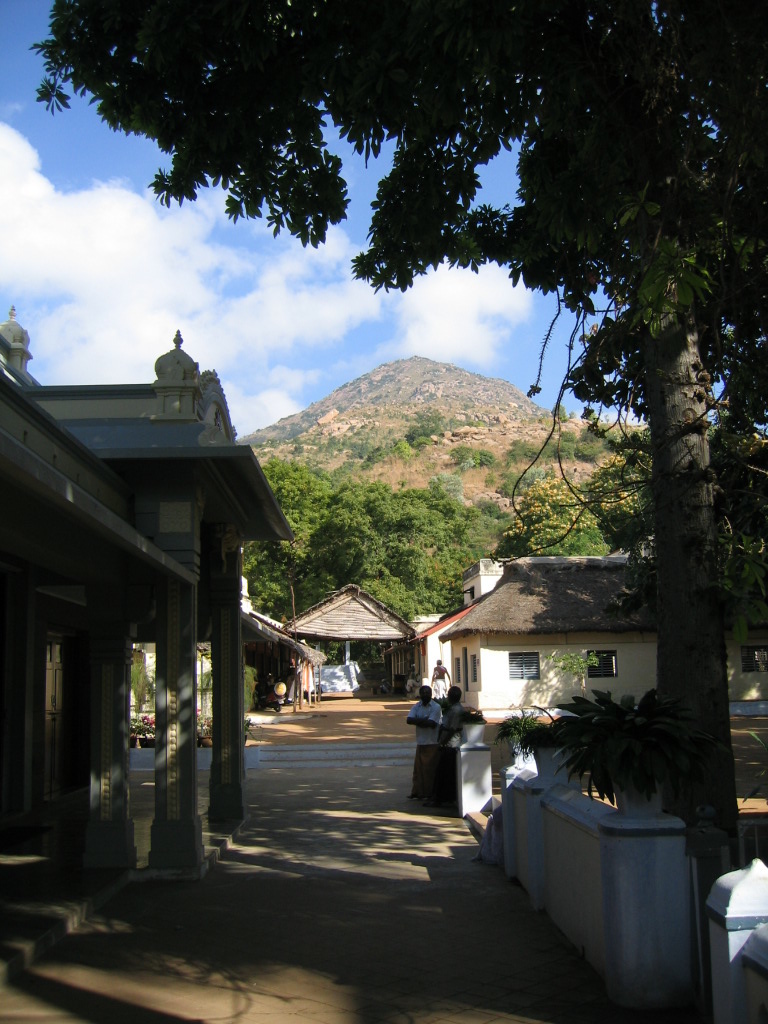

The sacred hill of Arunachala
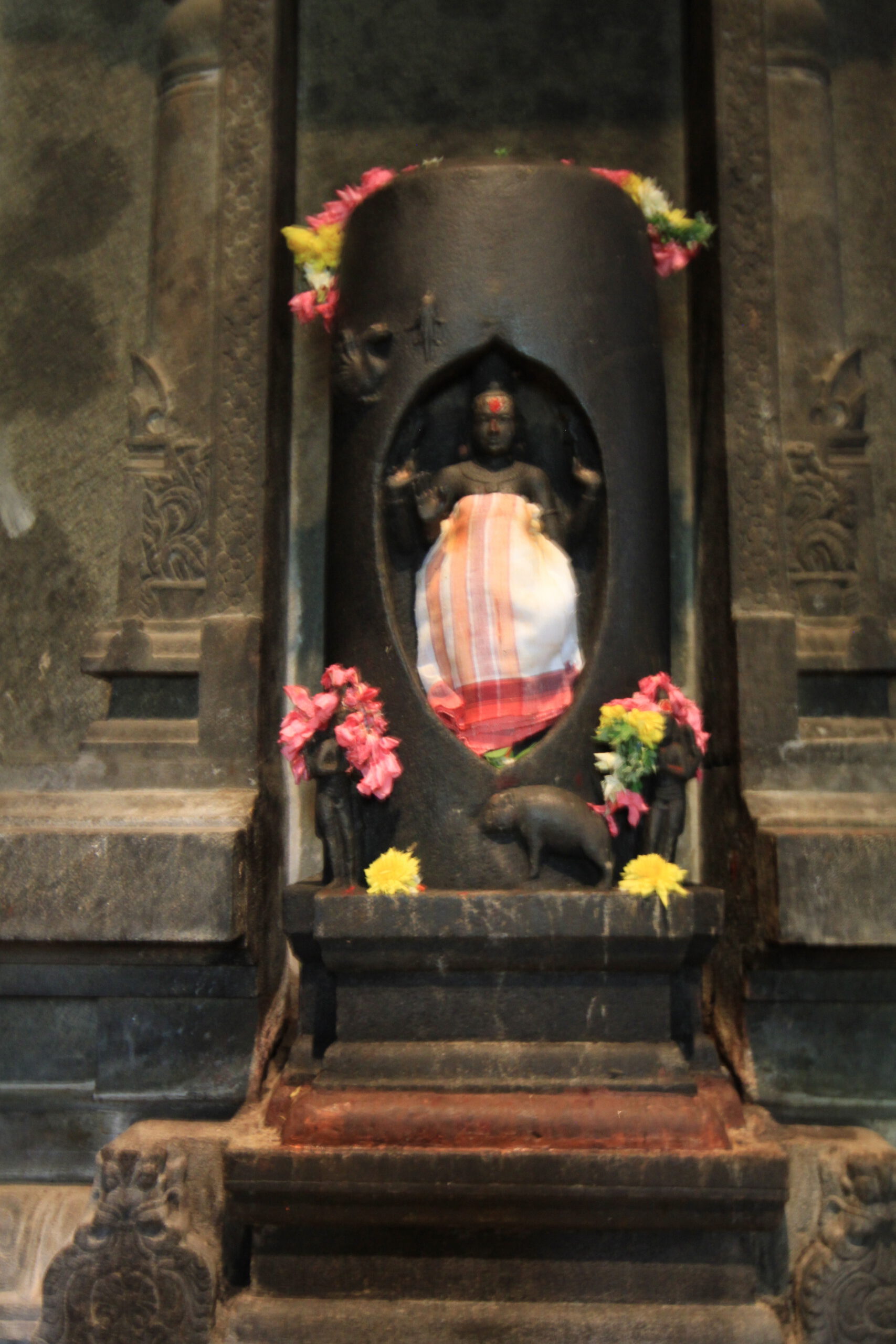
Also called Arunagiri, it is one of the five major Śaiva holy places of the South: Śiva is said to have appeared here as a column of light. Many sages settled here, in the caves, such as Ramana Maharshi (from 1899 to 1916).
“Arunachala is truly a holy place… the heart of the world. It is Śiva himself, the secret and sacred heart of Śiva.”
Sri Arunachala Mahatmyam — Skanda Purāṇa
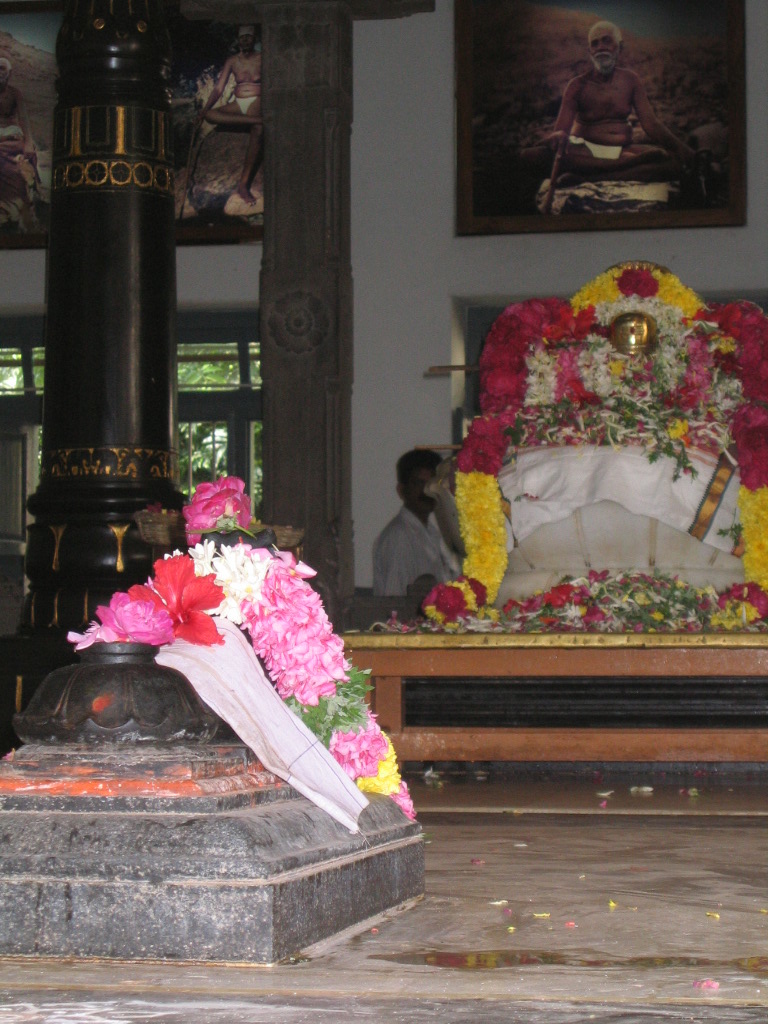
The ashram of Sri Ramana Maharshi
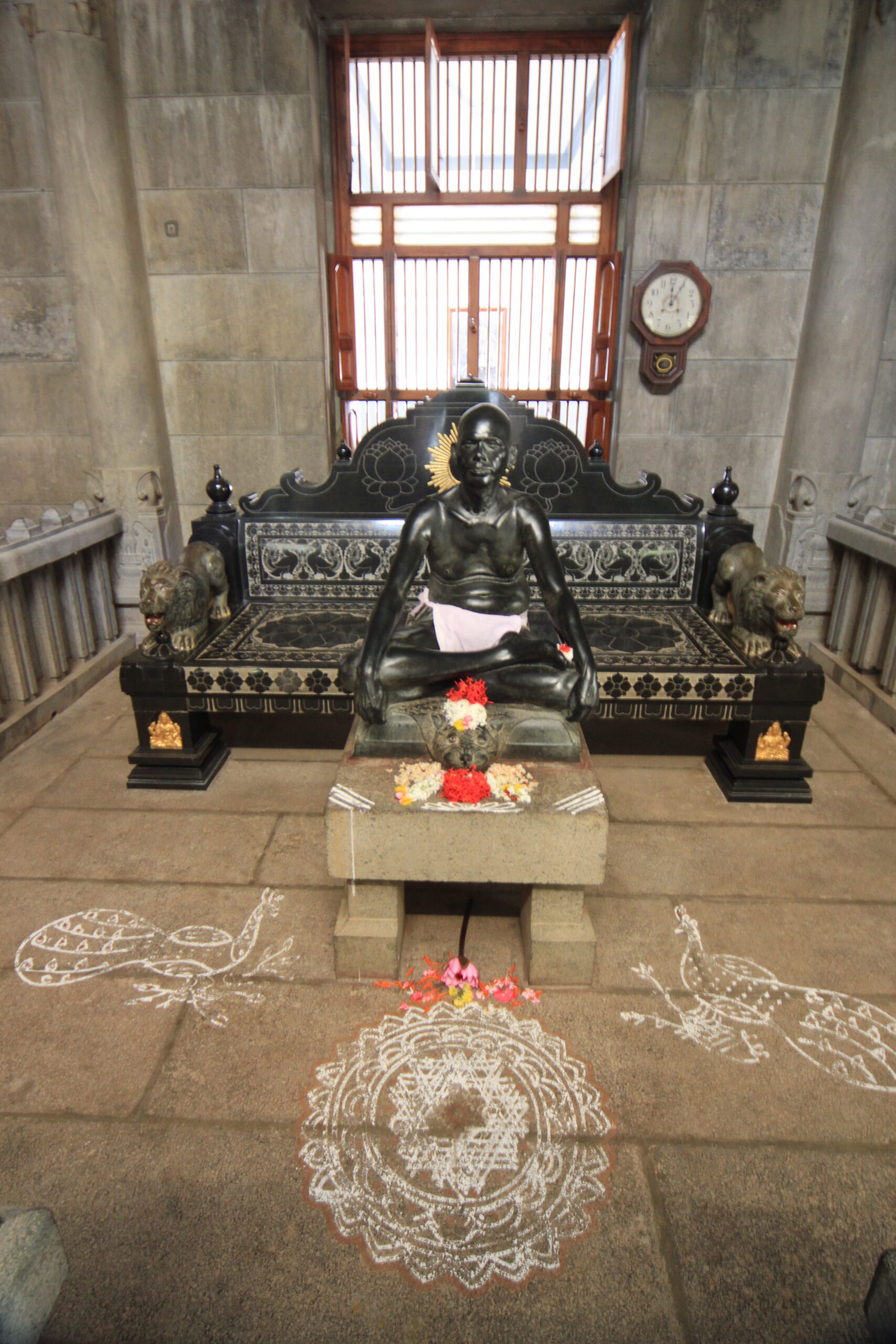
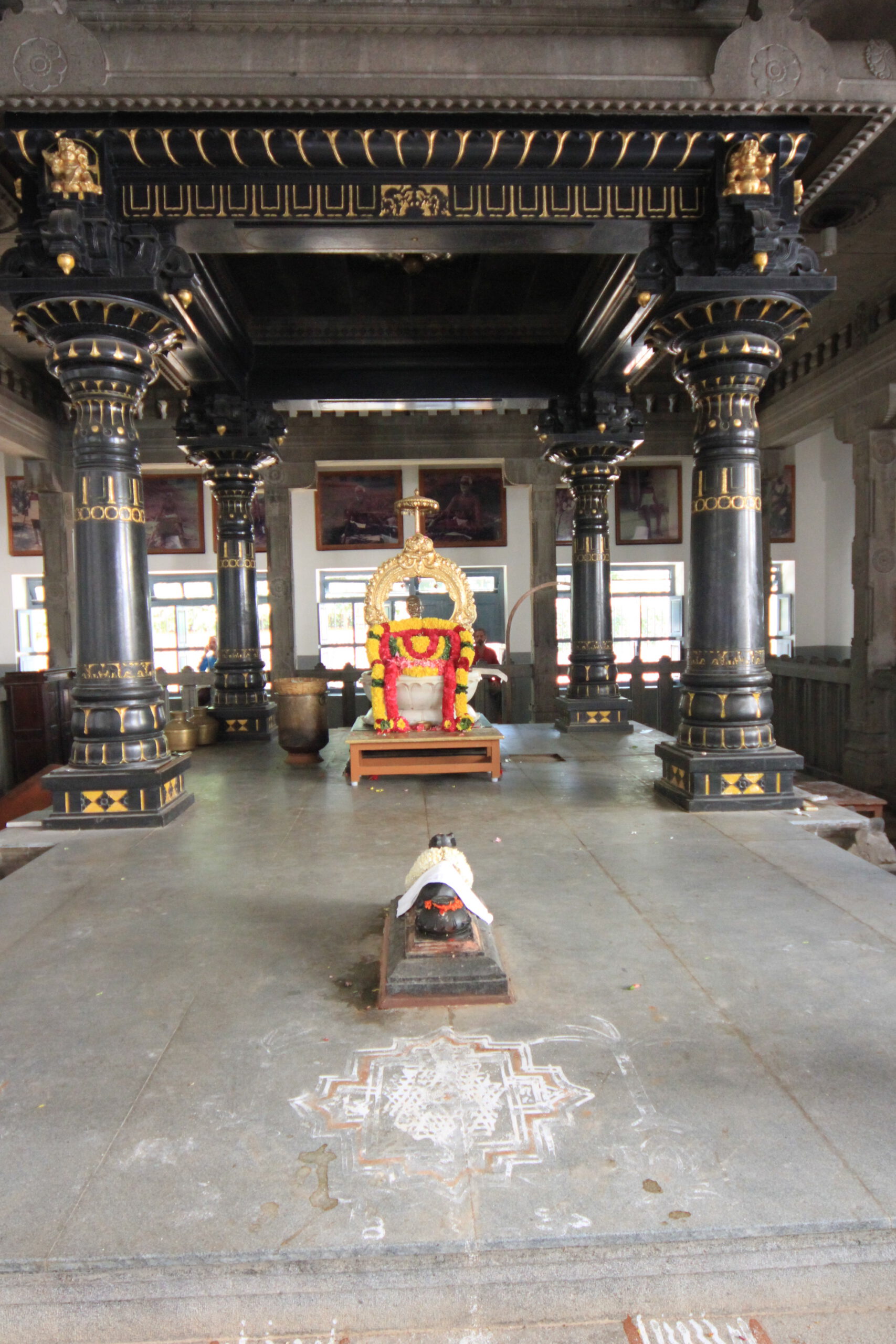
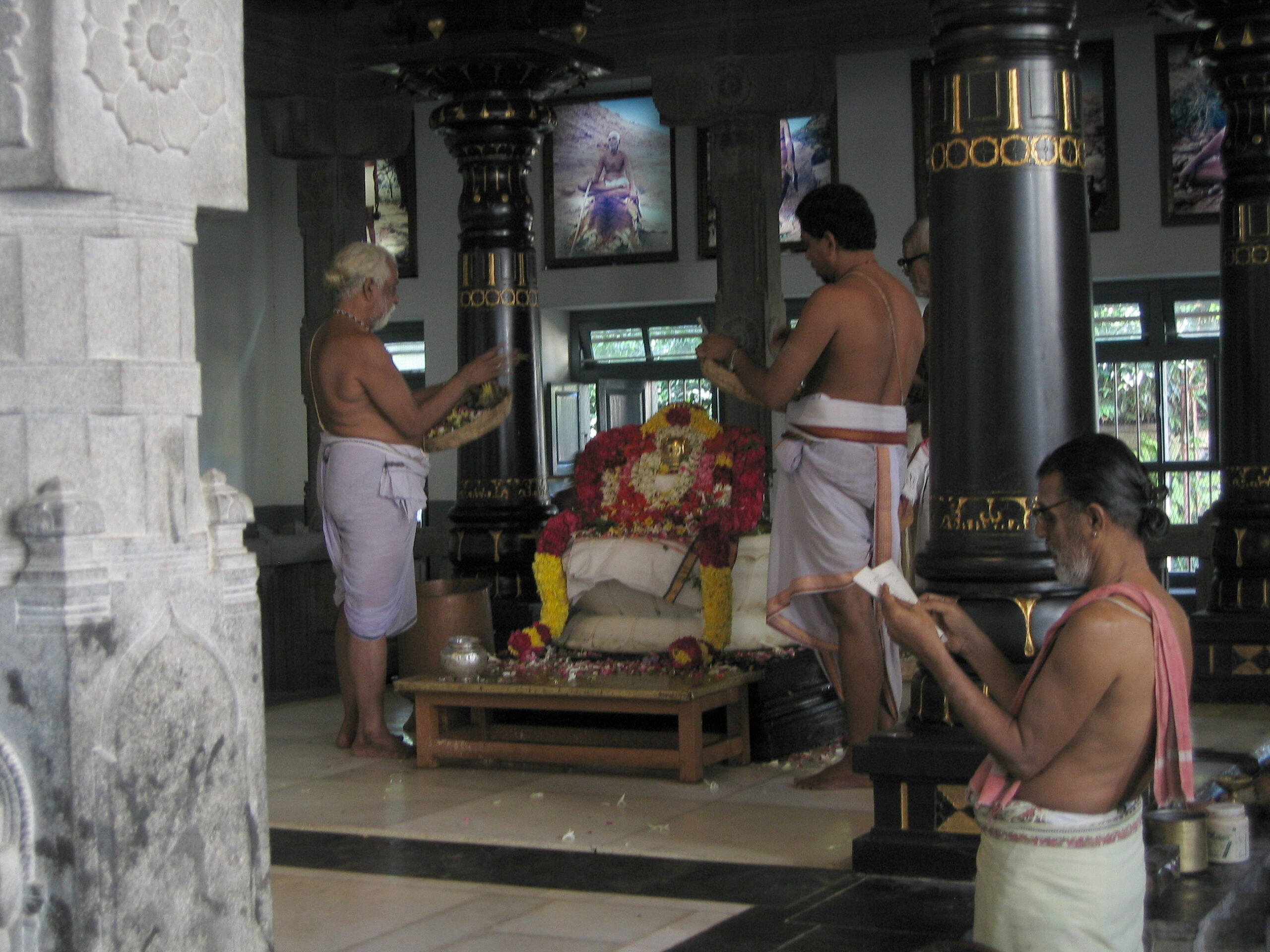
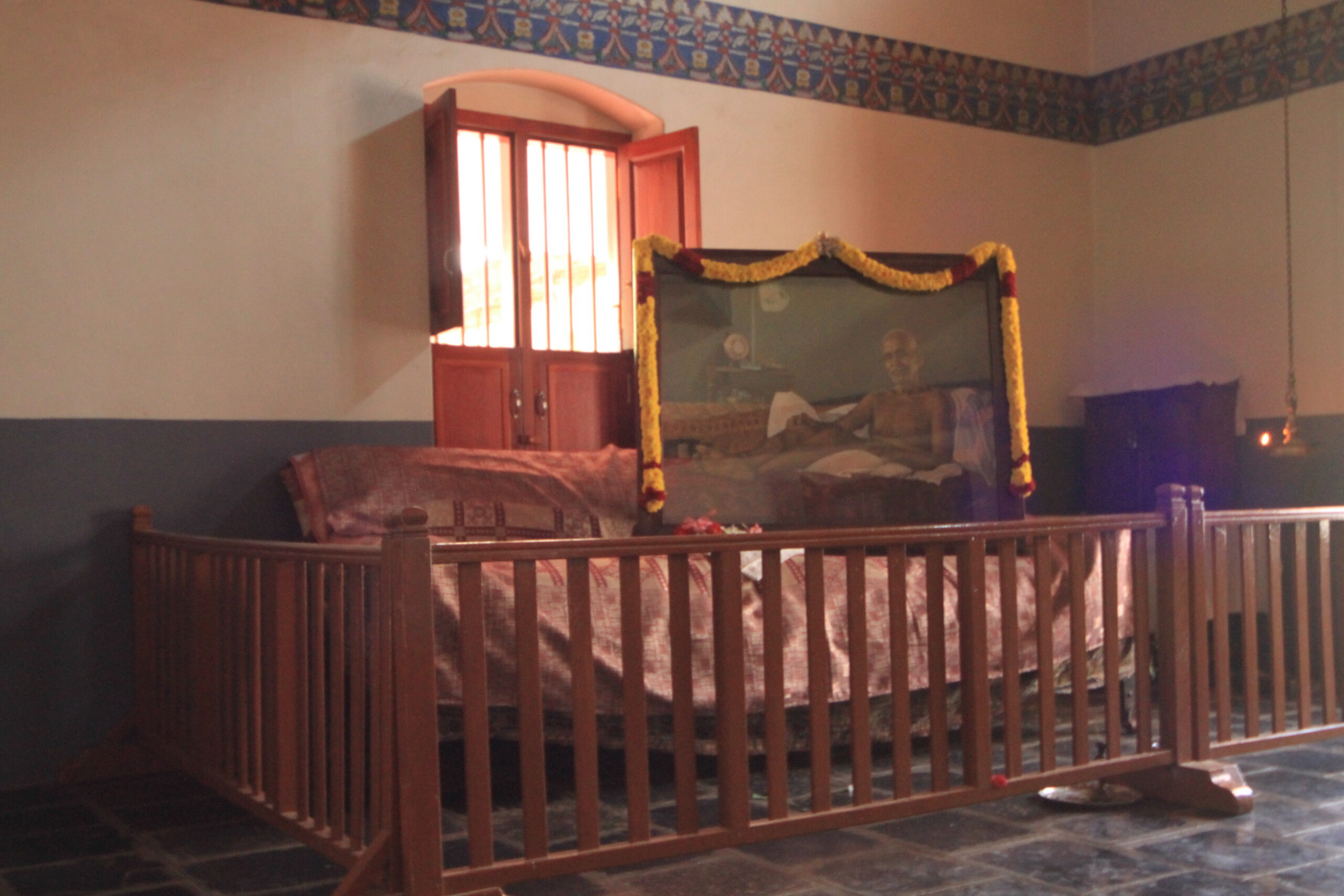
At the foot of the hill, the ashram carries on the teaching of Ramana Maharshi (1879–1950), who came to transmit the wisdom of Advaita-Vedānta in a simple, direct form: the path of knowledge (jñāna-mārga) through the ceaseless question “Who am I?”. “You are That, in this very moment.”
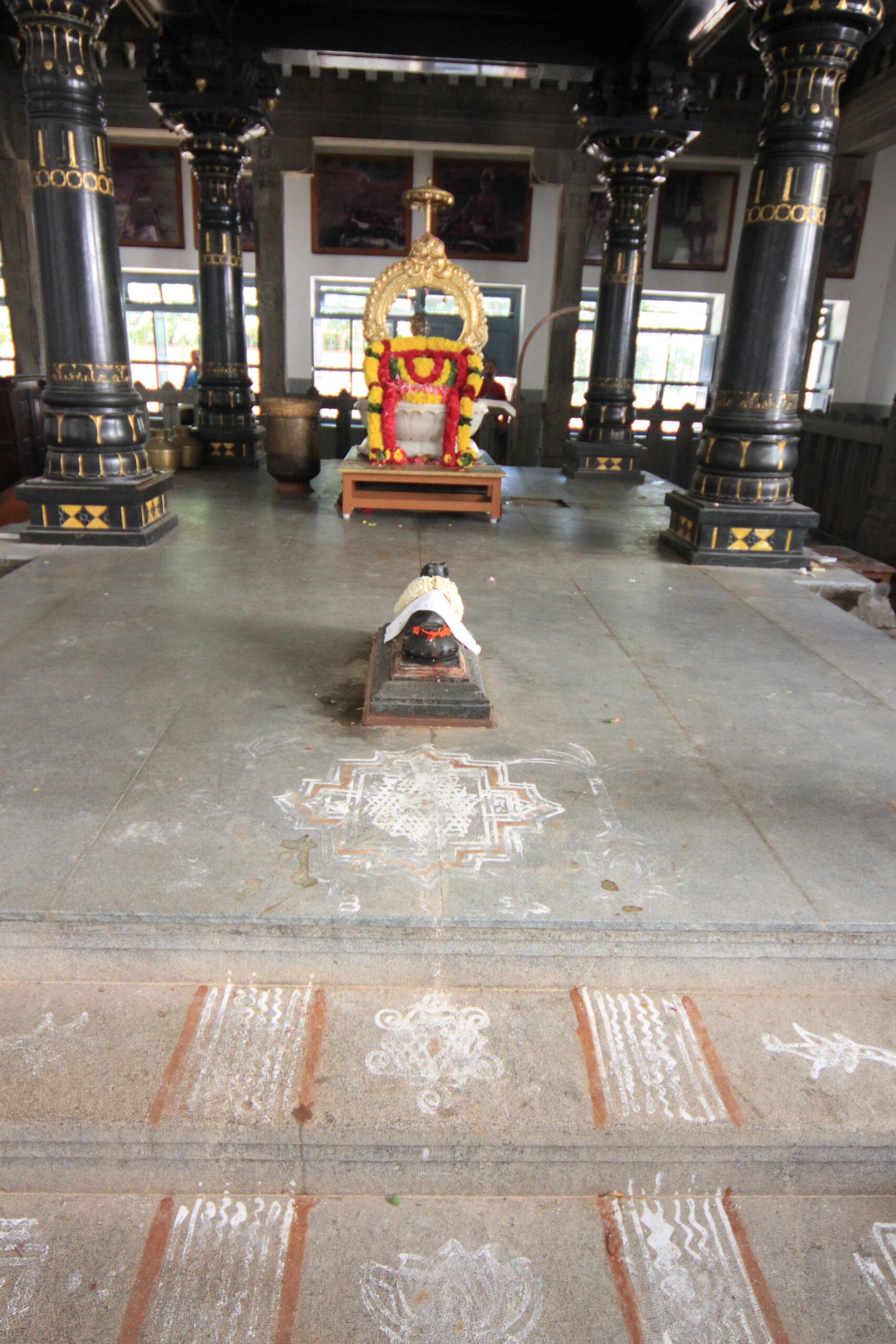
“In the cave of the heart, alone and solitary, the Brahman shines! Enter within yourself… and there, simply, be!”
Sri Ramana Maharshi
Practical information: 163 km from Mahābalipuram (≈ 3 h by car; ≈ 5 h by bus via Chengalpattu).