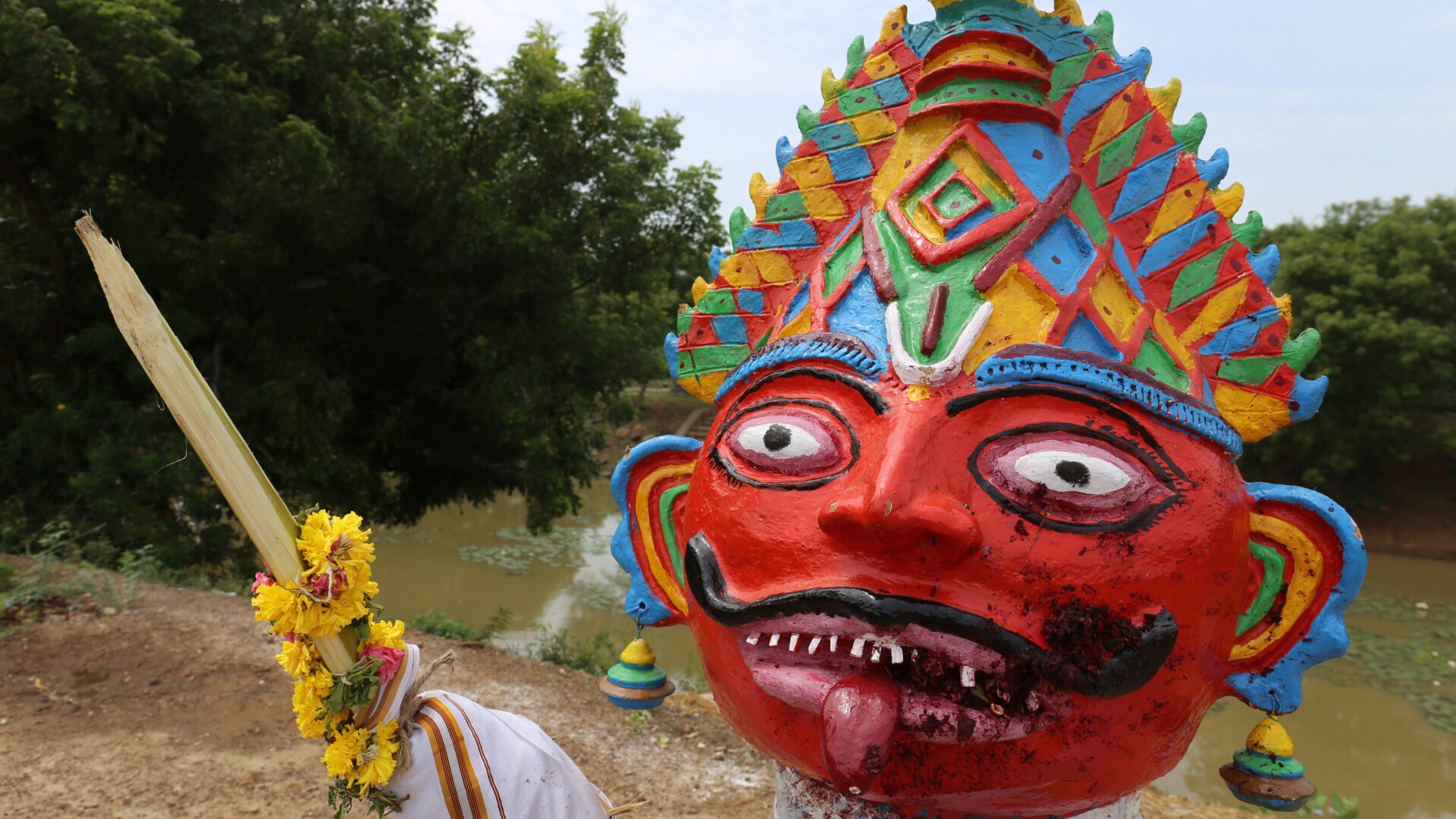
Beyond the classical dances linked to Śiva Naṭarāja, India teems with village, popular and sacred dances. There are said to be as many as there are languages — here is an overview, from Ladakh to Tamil Nadu.
From the North to the Himalayas
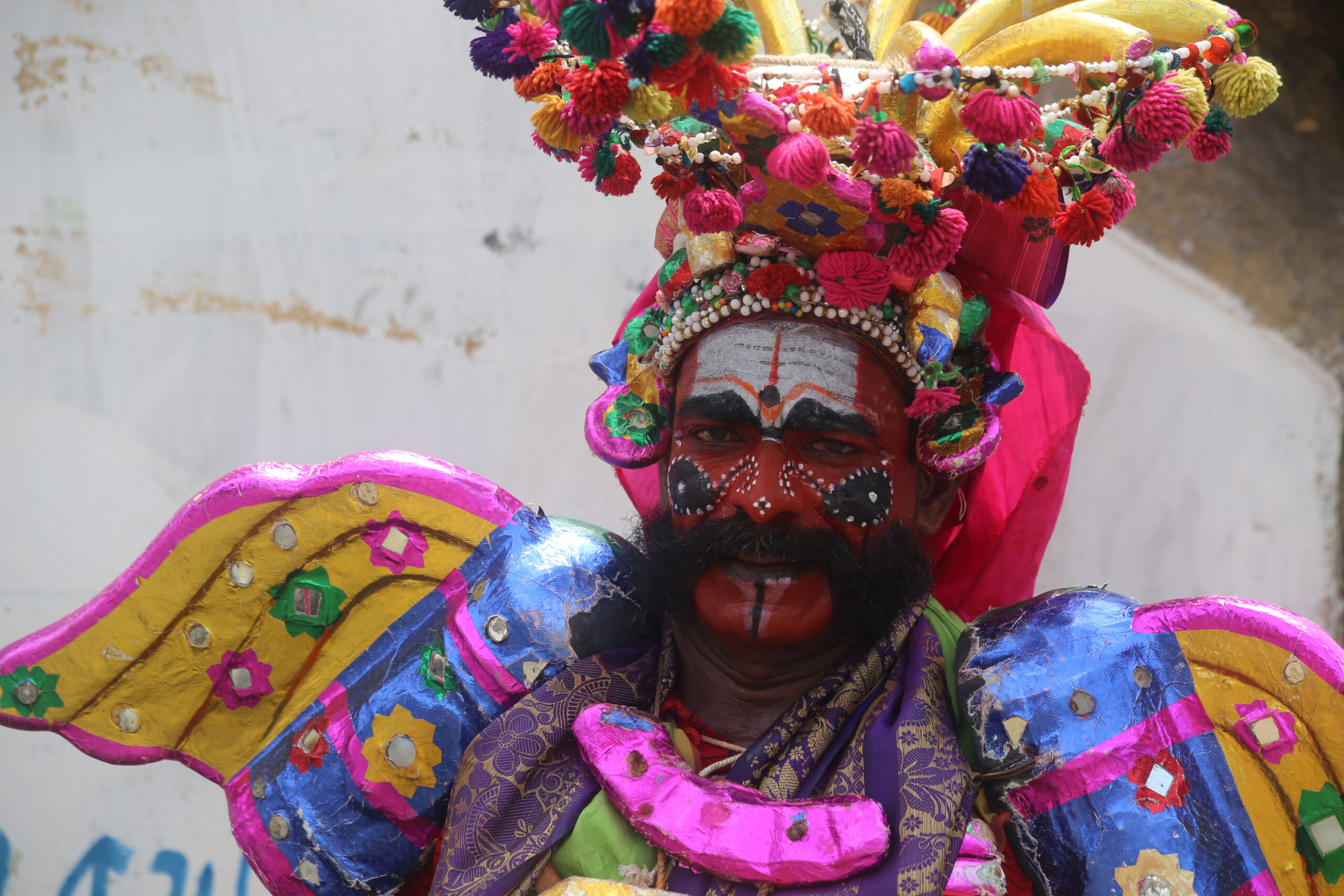
In Ladakh, the Tse Shu serves as prediction for the oracles, and the masked dances (Chams) are held at Leh in September. In Sikkim, the lamaist chaam of the monasteries (Gompas) — the best known, the Tse Chi, tells the life of Guru Rinpoche. In Punjab, the Bhangra, a very energetic men’s dance, originally linked to the harvest.
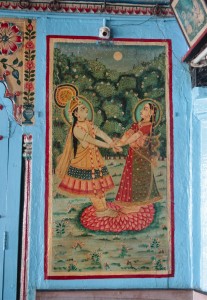
Rajasthan, Gujarat, Tamil Nadu
In Rajasthan, the Kalbeliya (“snake dance”) and the Chari (dance of flaming pots carried on the head). In Gujarat, the Ghumna (“to turn”), a women’s dance with sticks, and the Teratali, in which the seated dancer makes thirteen little cymbals attached to her body ring.
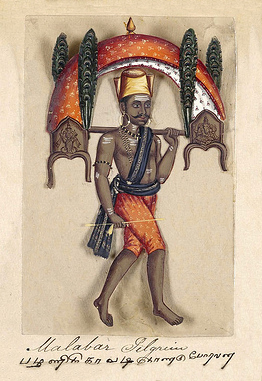
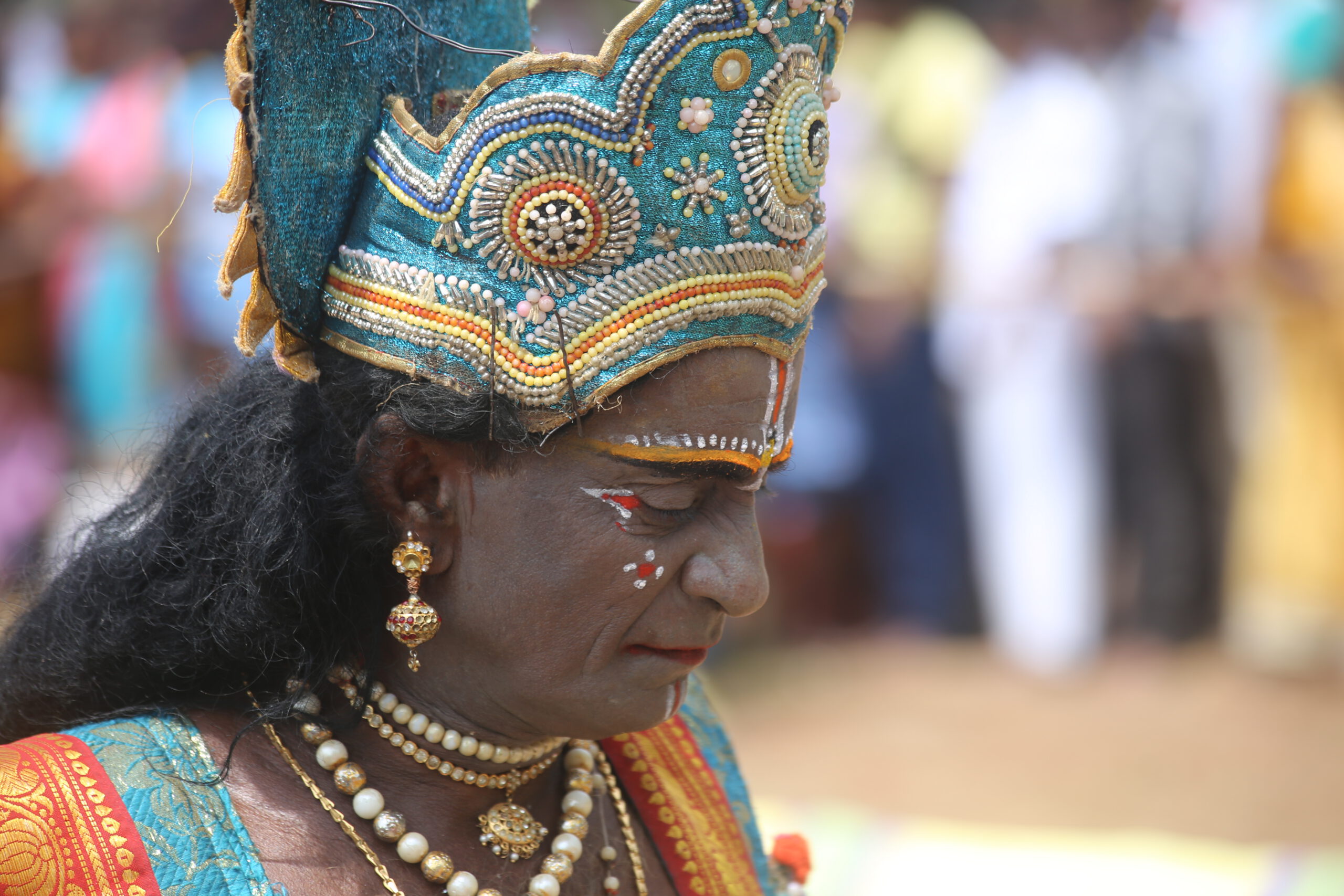
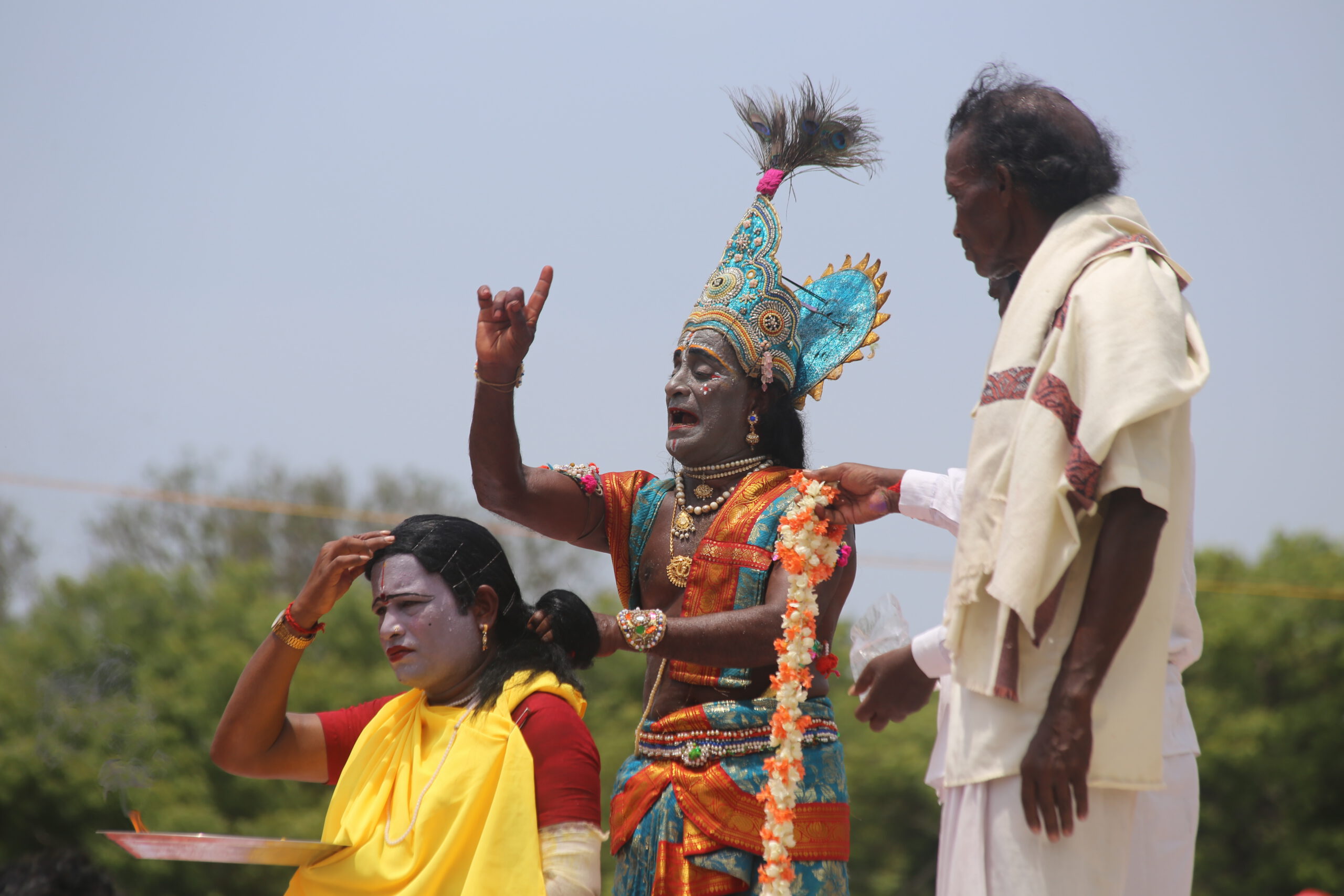
In Tamil Nadu, the Kalhaï kūtthu (acrobatics of travelling artists), the Kolāttam (village stick dance) and the Bhāgavata nāṭanam, a religious dance performed around an oil lamp to honour Krishna.
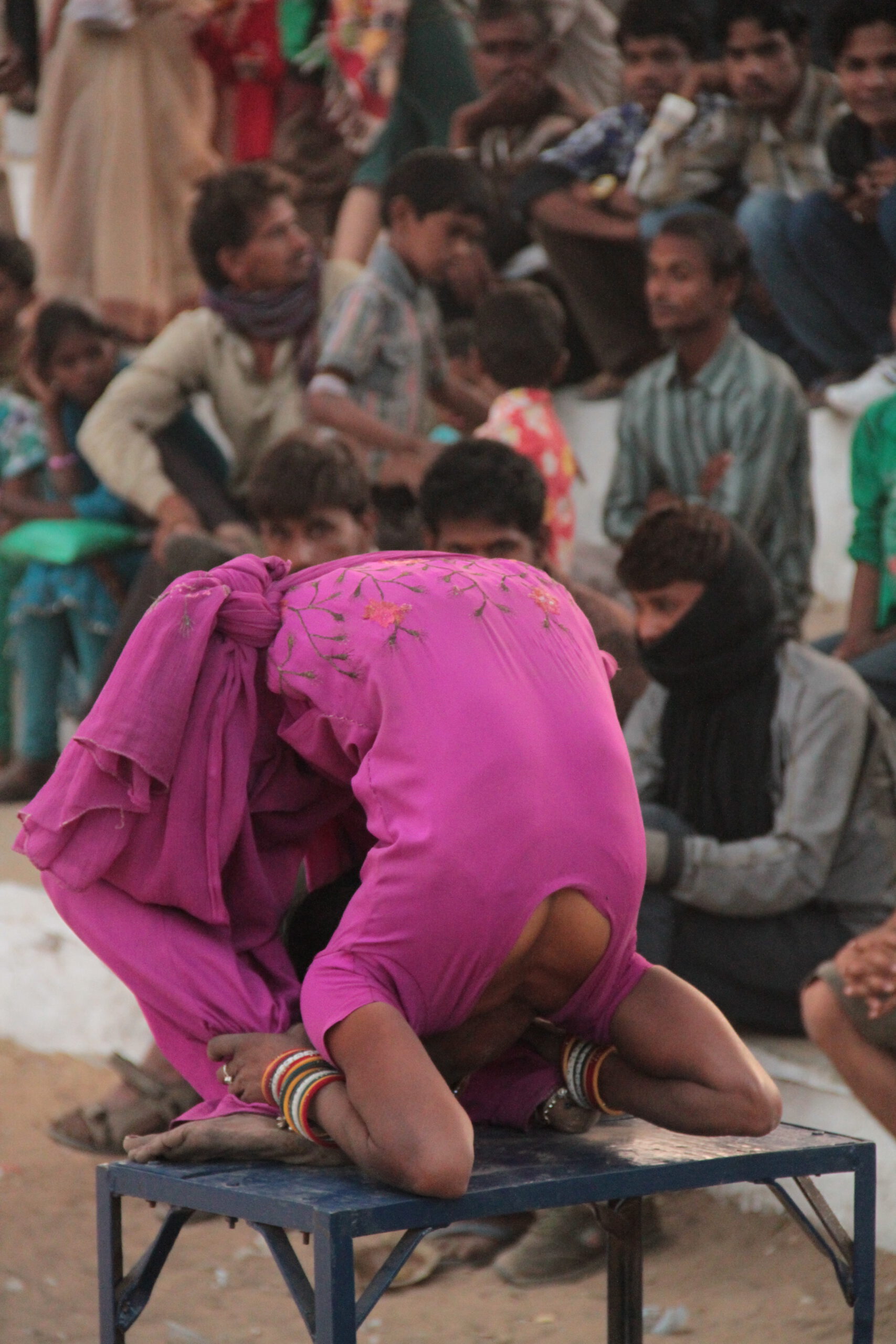
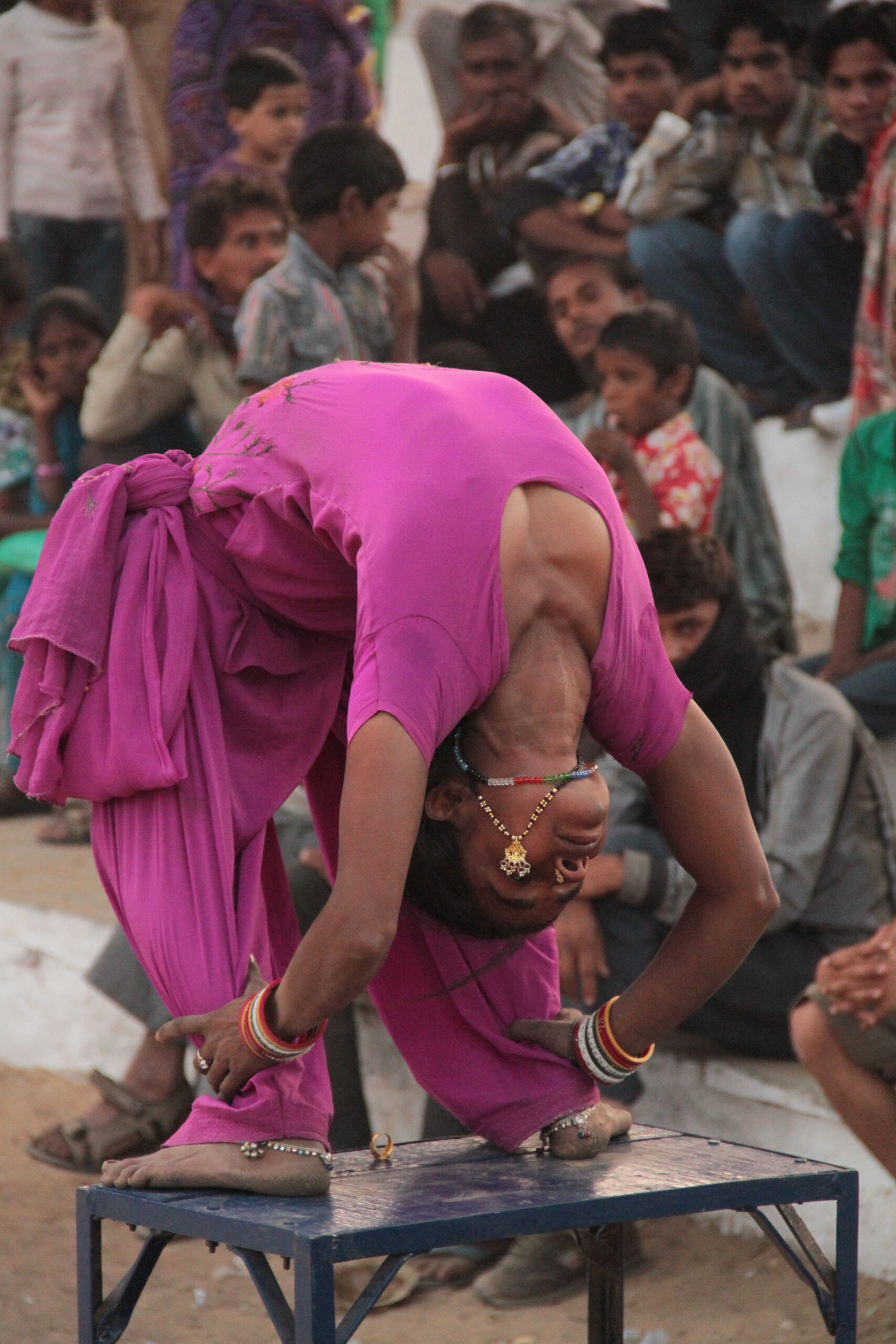
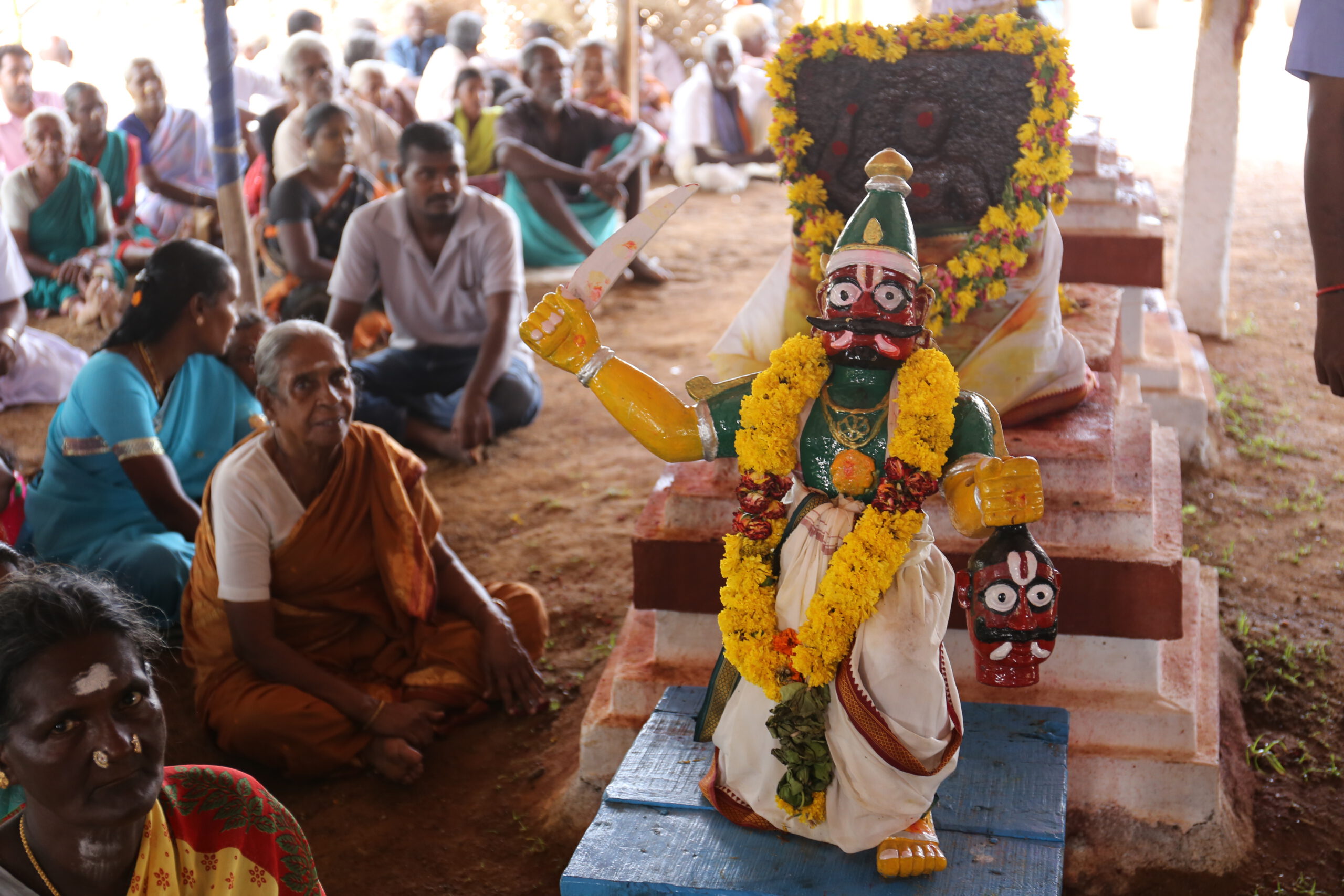
At Mahābalipuram, during an Ashtanga Yoga stay in winter (late December to January), you can discover some of these folk expressions in the opening part of the “Dance Festival”.