The pūjā is a festive ritual meant to bring about the “descent” (archāvatāra) of a deity into an image that represents it, or into a symbol such as the lingam. It is a central, daily act of Hinduism.
How the ritual unfolds
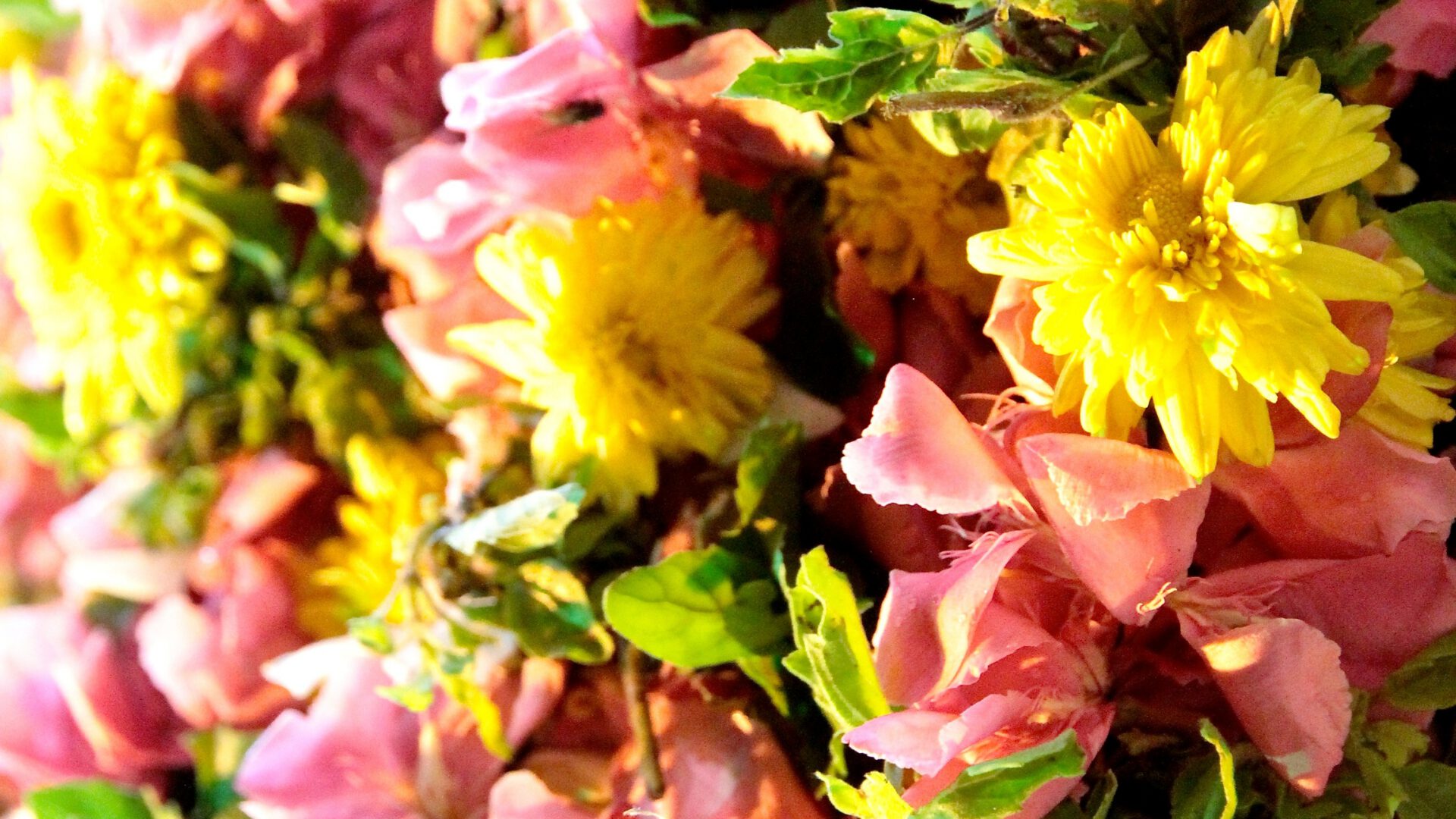
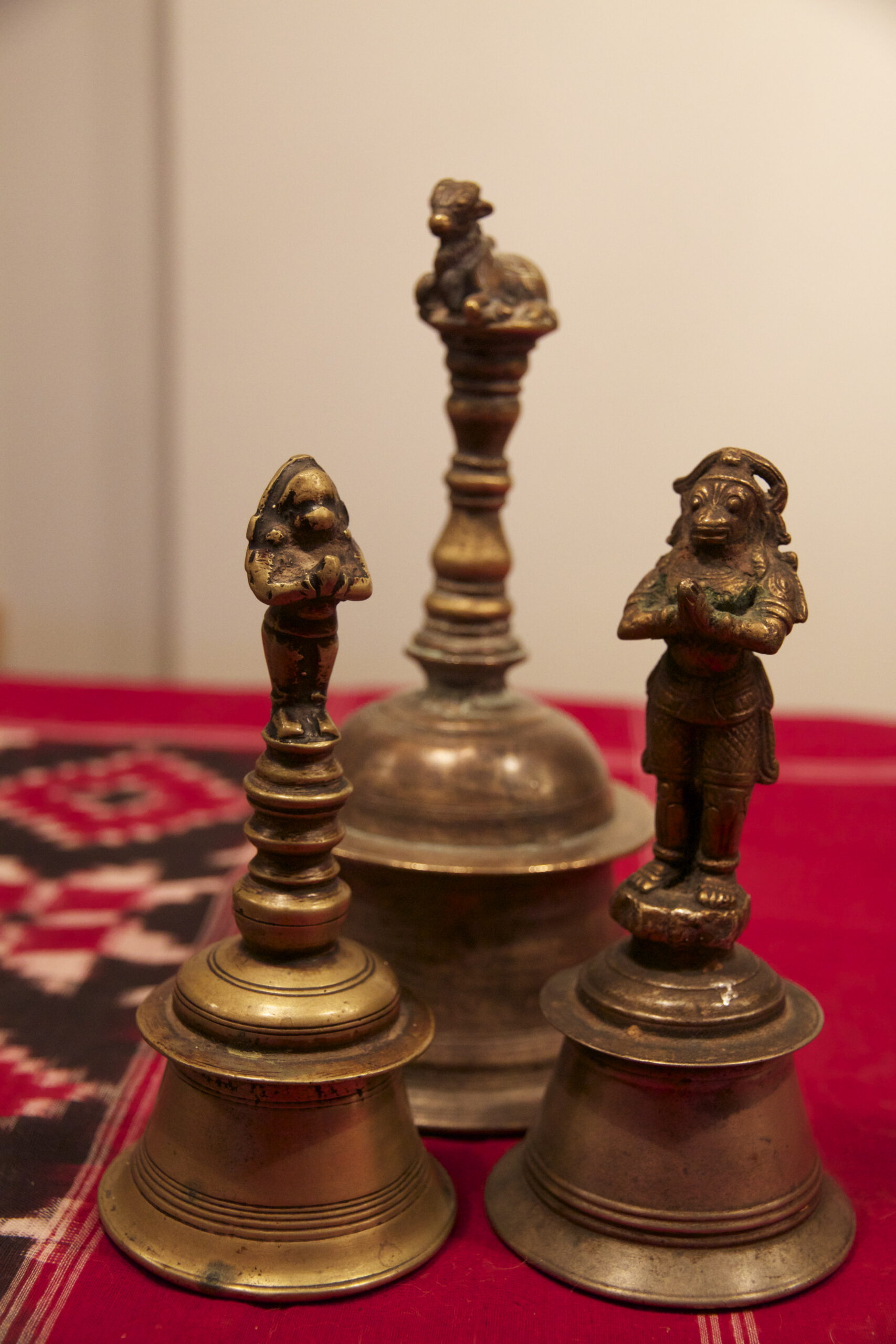
The prayer begins with the ringing of a small bell, which calls the deity. It continues with offerings of fresh flowers, food and incense, accompanied by music and the recitation of mantra. If it is a statue or a lingam, the pūjari (the officiant) anoints it with oil, camphor and sandalwood paste, and covers it with garlands.
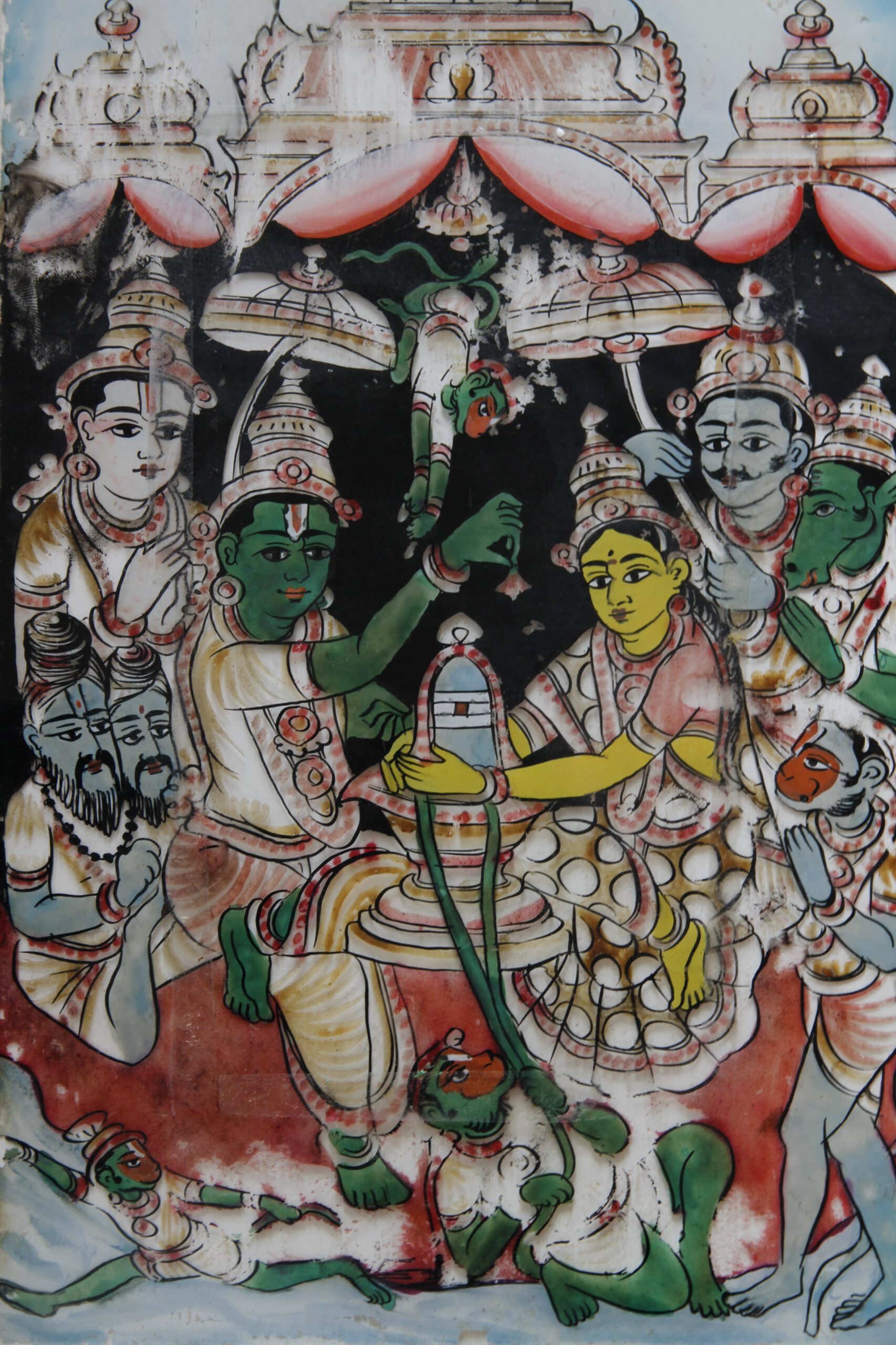
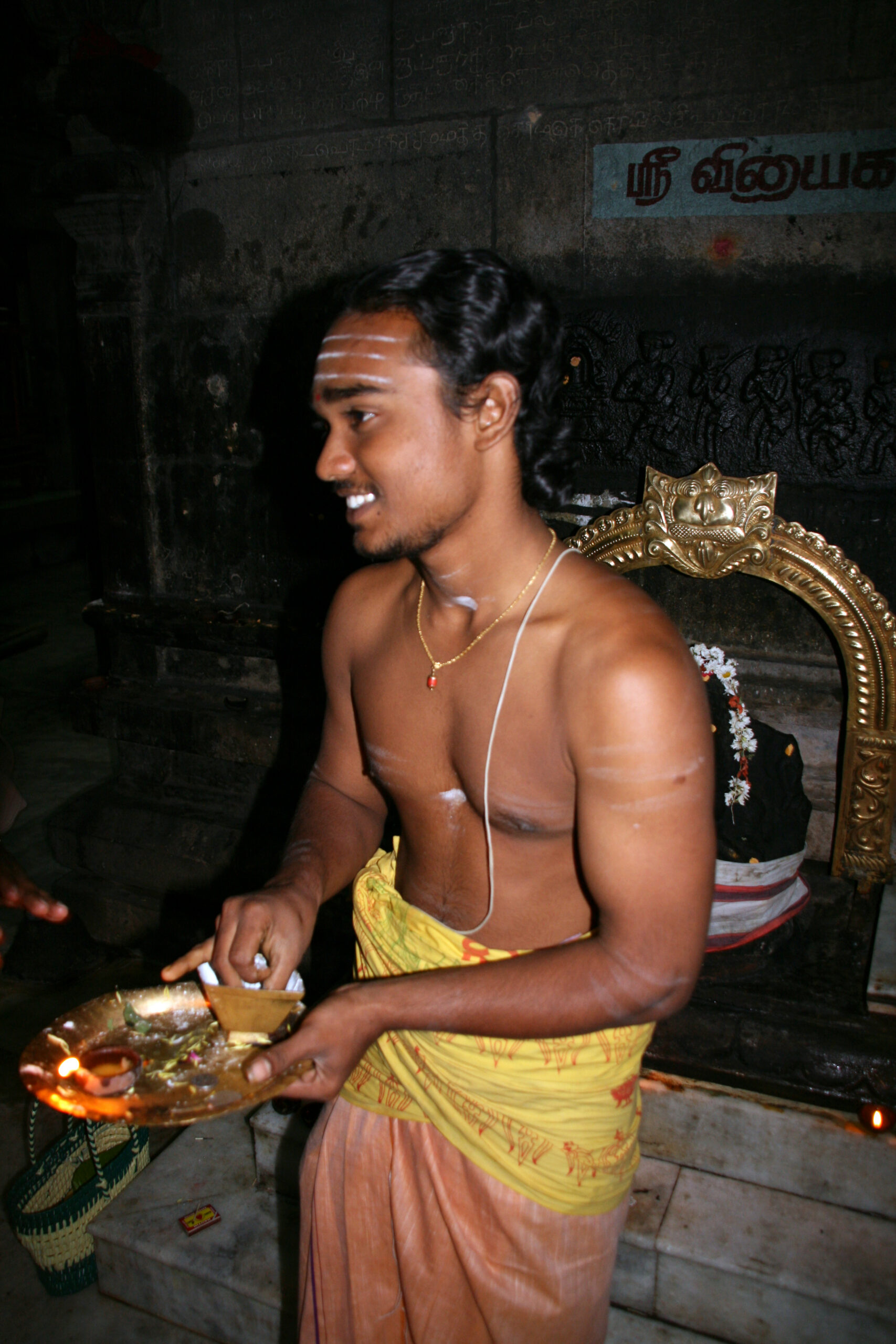
The liṅga is washed with milk and sacred (Ganges) water, which flows into the yoni; it is then anointed with ghī and sandalwood and adorned with flowers. The climax is the moment when the deity reveals itself to all. The pūjā is celebrated in temples by the Brahmins, and in homes by the head of the family — a fee is paid to the officiant according to the rite requested. It holds an important place not only among Hindus, but also among Jains, Buddhists and even some Indian Christians.
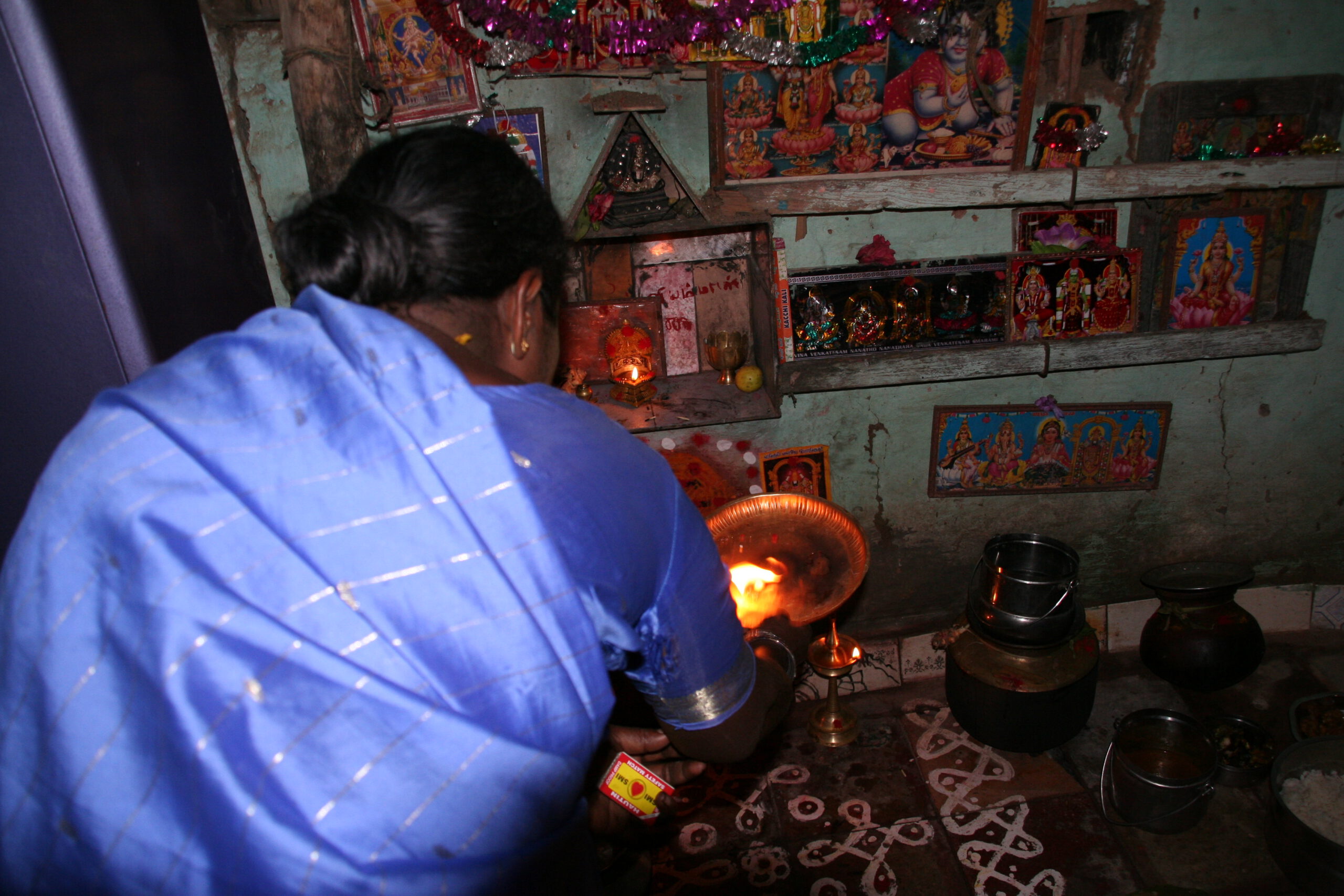
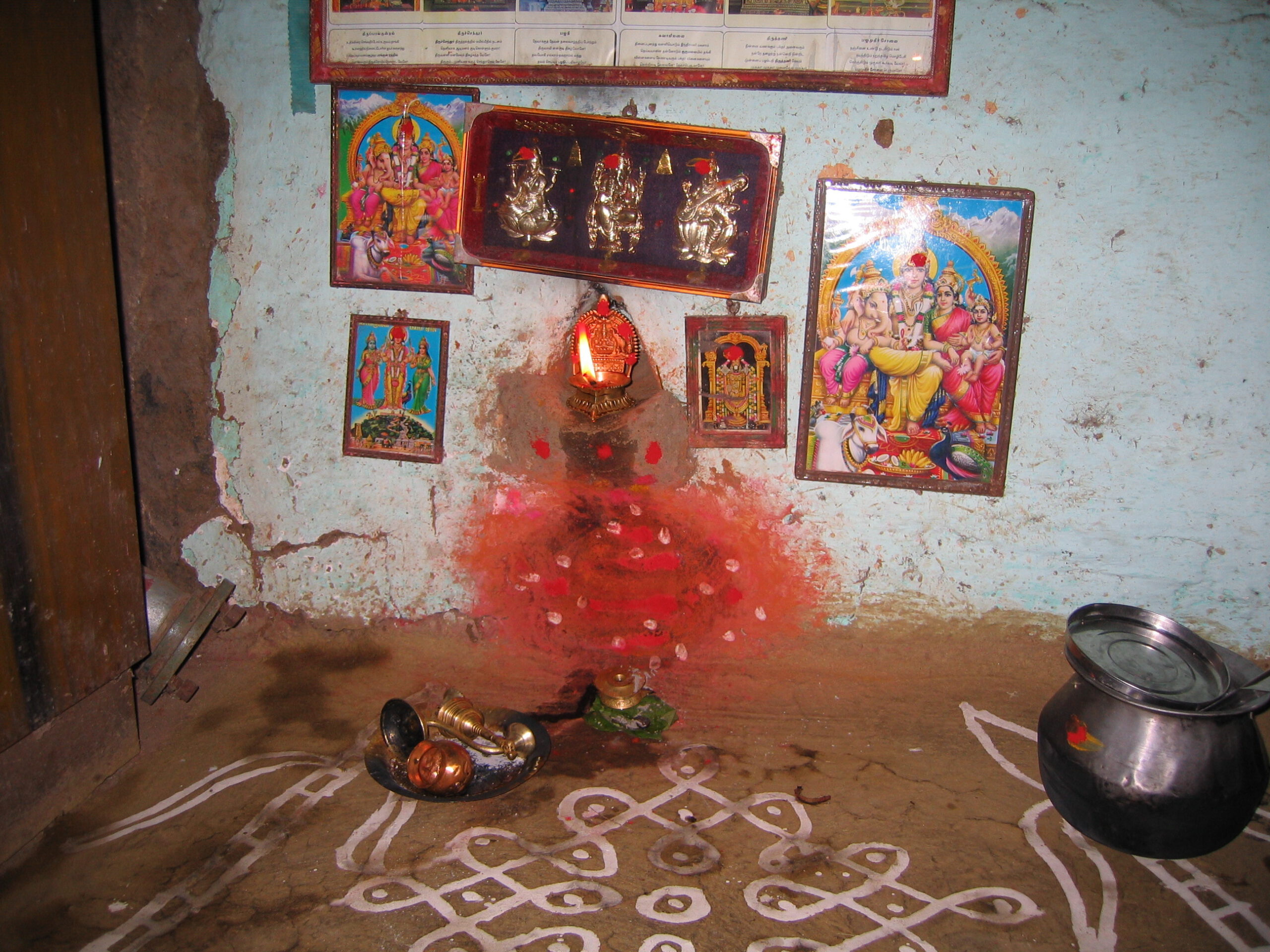
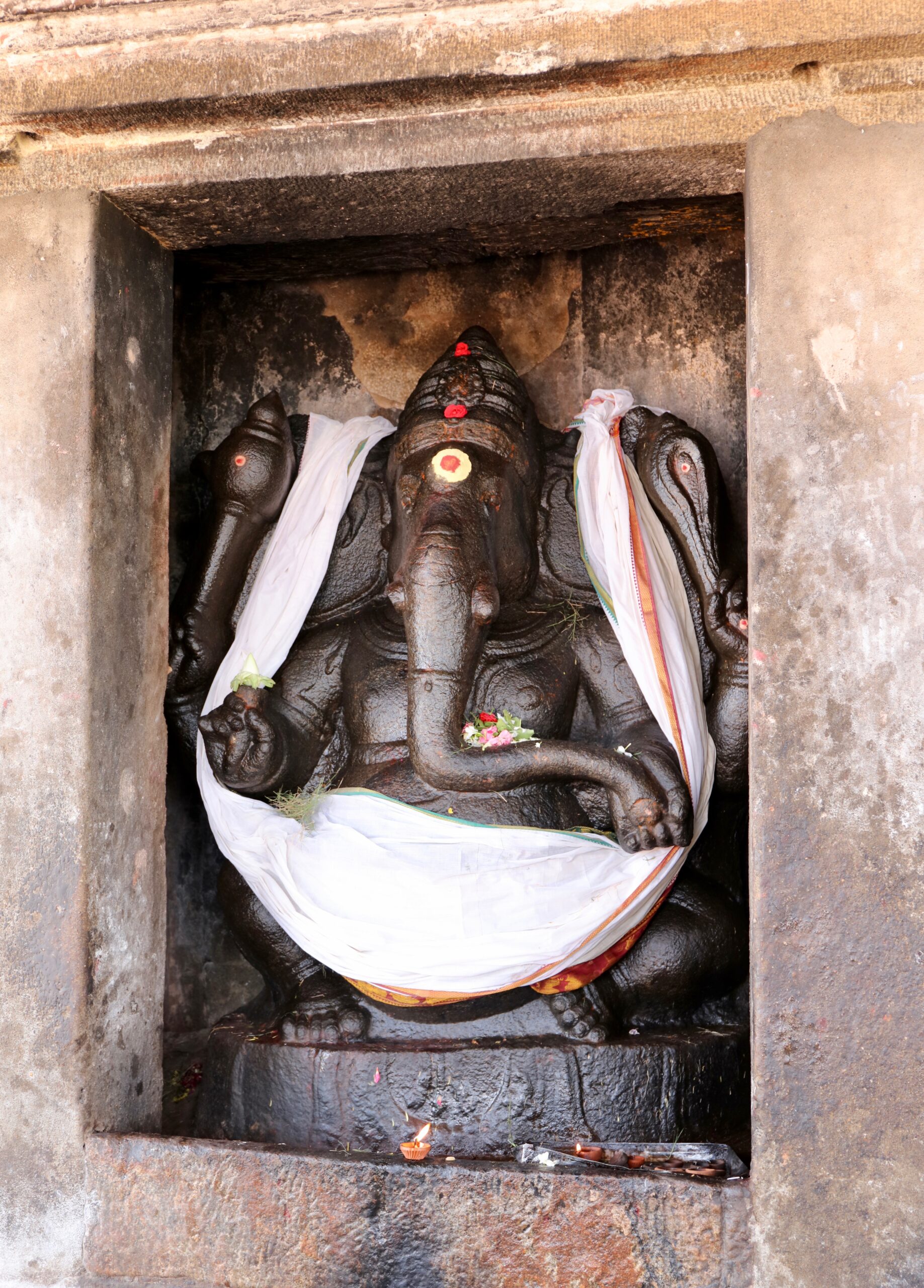
The places of invocation
At home, in the pūjā room (or, for want of space, near the front door); at the temple, alone or with the help of a pūjari. Temples and homes all have their altars, adorned with one or more statues of the local god or goddess. A rite of worship of Aryan origin, the pūjā replaced the yajña, the Vedic sacrifice. Ceremonies may also take place in the street, at a crossroads, or at the feet of a guru.
“If in the Multitude we insistently pursue the One, it is to return with the blessing and the revelation of the One confirming itself in the Many.”
Śrī Aurobindo
Om Shanti, Shanti, Shanti…