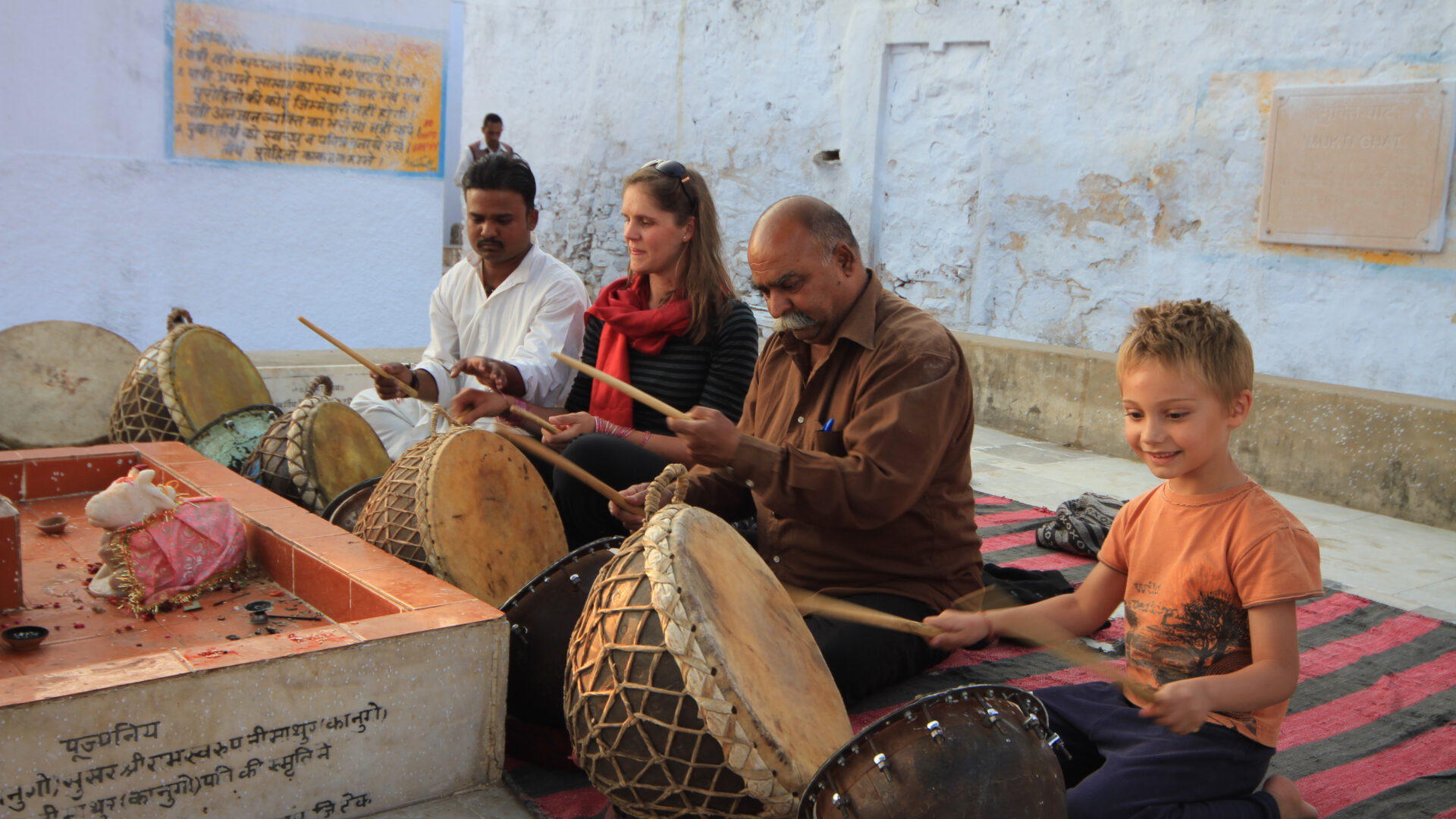
In India, everything has a divine origin — so music comes from the gods. Brahmā, the Creator, brought the universe into being through the primordial sound, the chant “Oṃ”. All the gods are musicians: Śiva plays the ḍamaru, Gaṇeśa the mṛdaṅga, Sarasvatī the vīṇā, Krishna the bansurī — and a celestial orchestra, the gandharva, plays in the heavens.
Classical music: Carnatic and Hindustani
With time and the invasions, classical music split in two: in the South, Carnatic music (linked to dance); in the North, Hindustani music (marked by Mughal influence). In the South, the sarasvatī vīṇā and the mṛdaṅgam, supported by the tambūra (harmonic drone). In the North, the sitar or the sarode, accompanied by the tabla (the “male” sound) and the dhaga (the “female” sound).
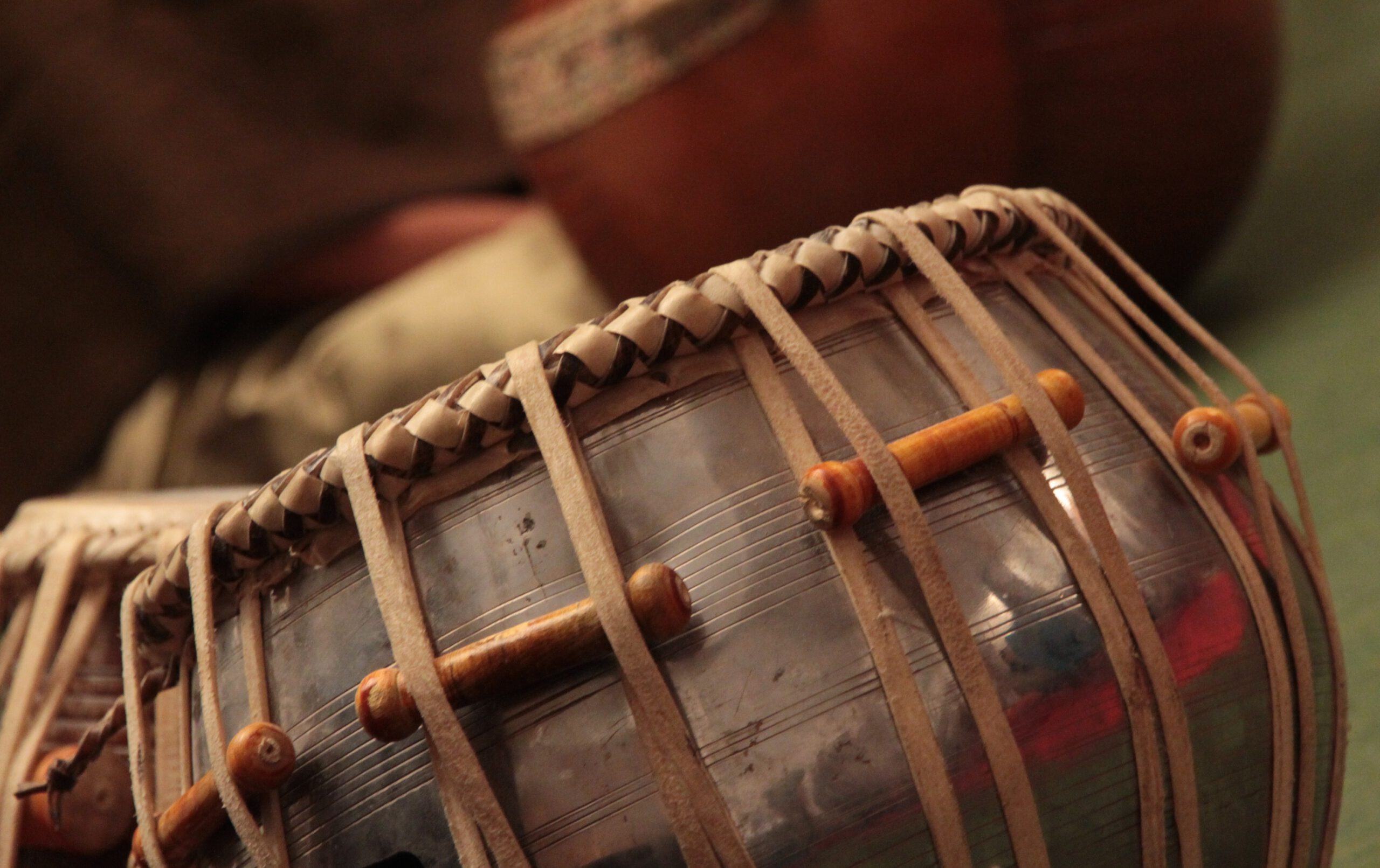
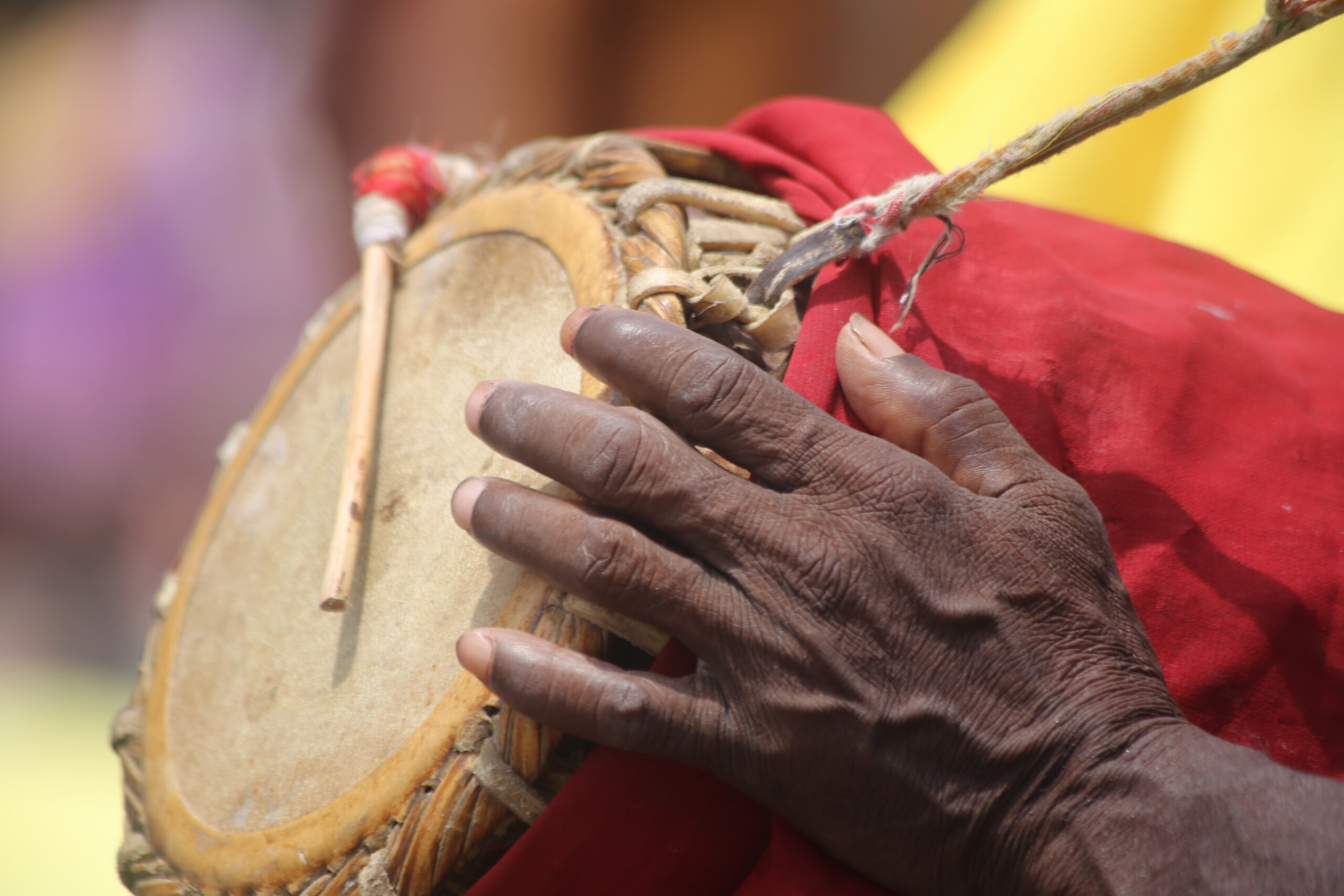
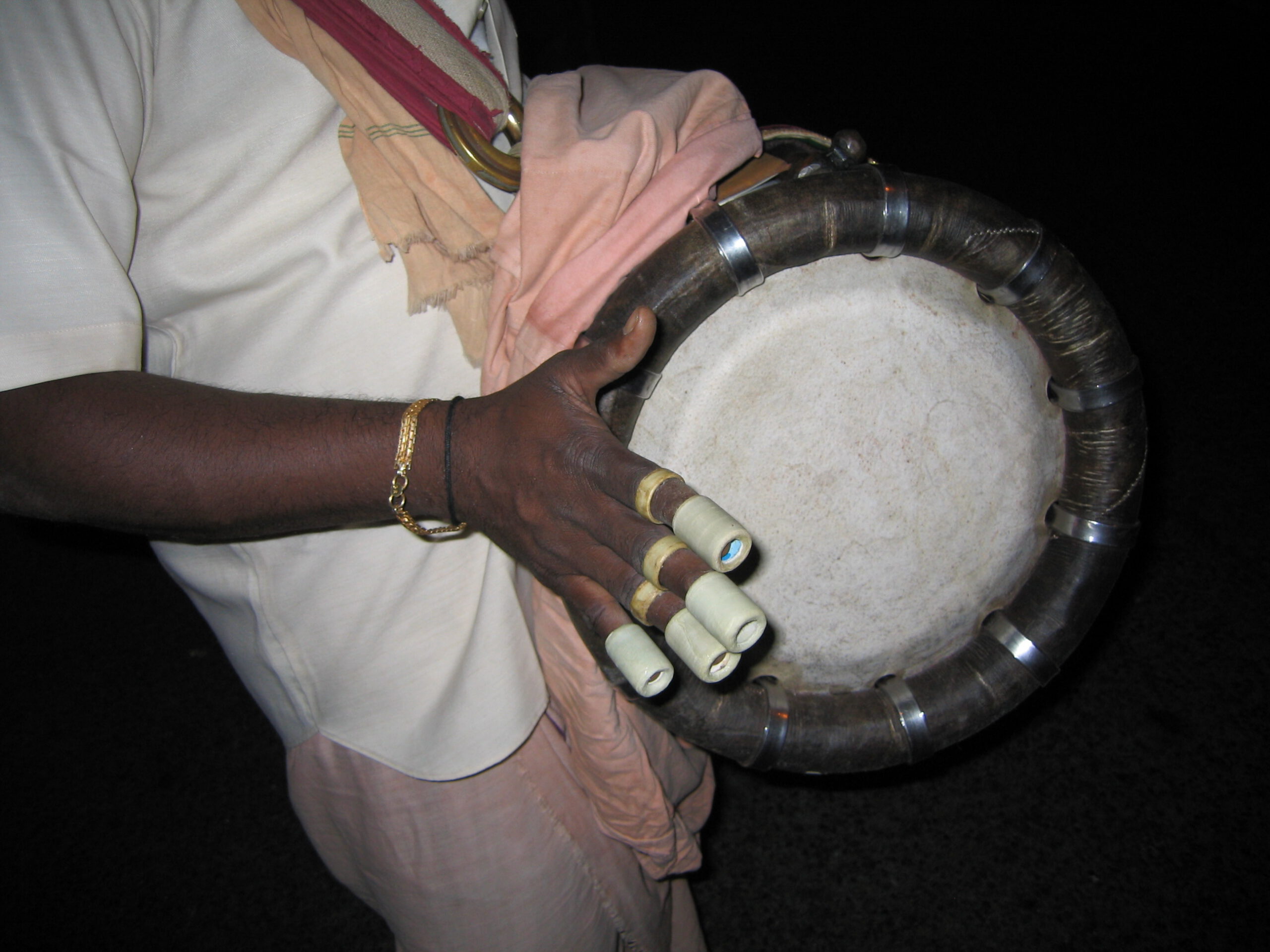
Classical music rests on mathematical and rhythmic principles: without a score, but with very strict rules, the musician improvises. The rāga defines the melodic frame — each is associated with a feeling, a season, a time of day.
Popular and folk music
The most widespread popular music comes from Bollywood films — romantic and eclectic, blending Indian orchestrations with Western influences. Indian pop is also growing (over 30% of MTV-India). On the folk side, there are as many musics as there are languages, with instruments often made by the musicians themselves.
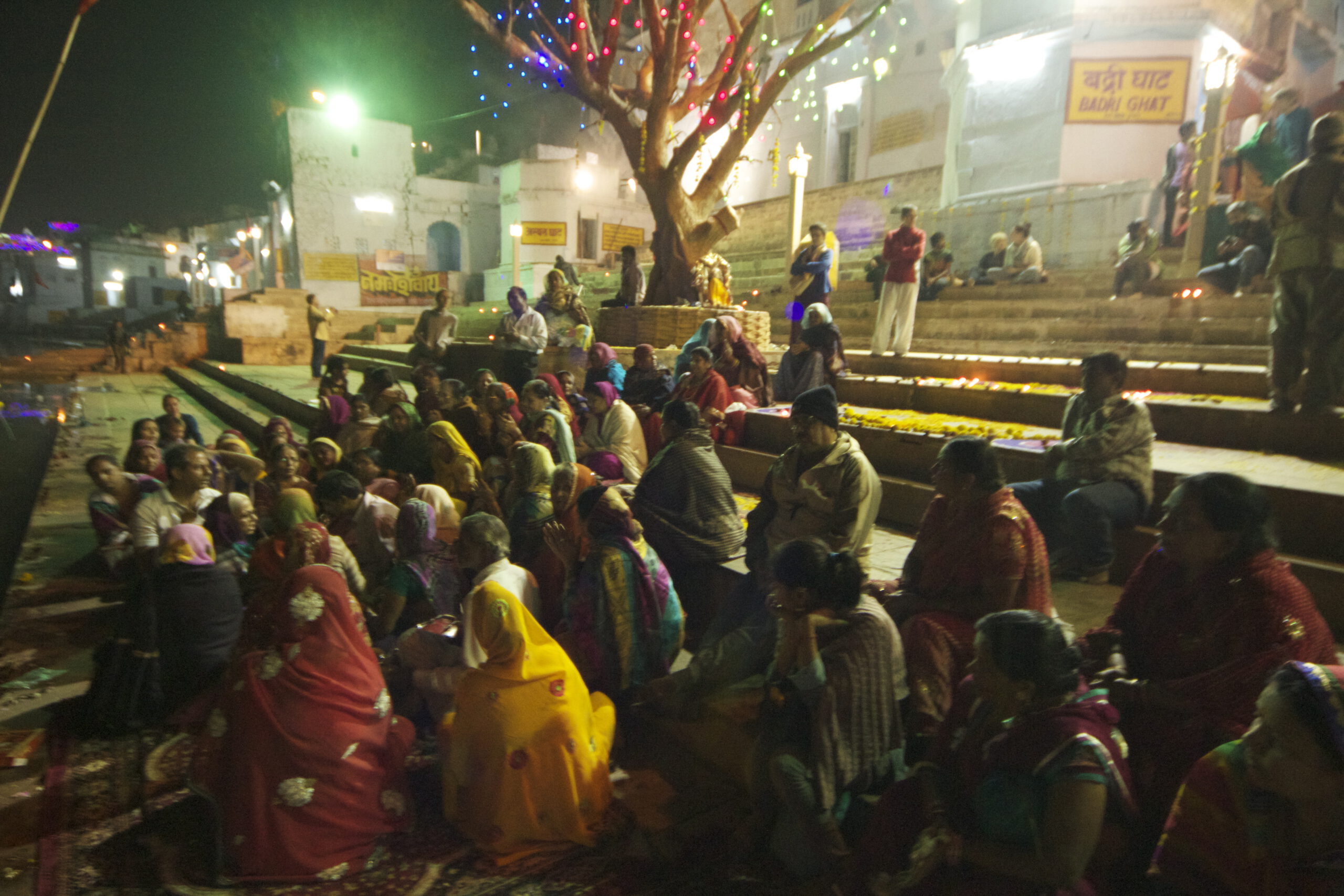
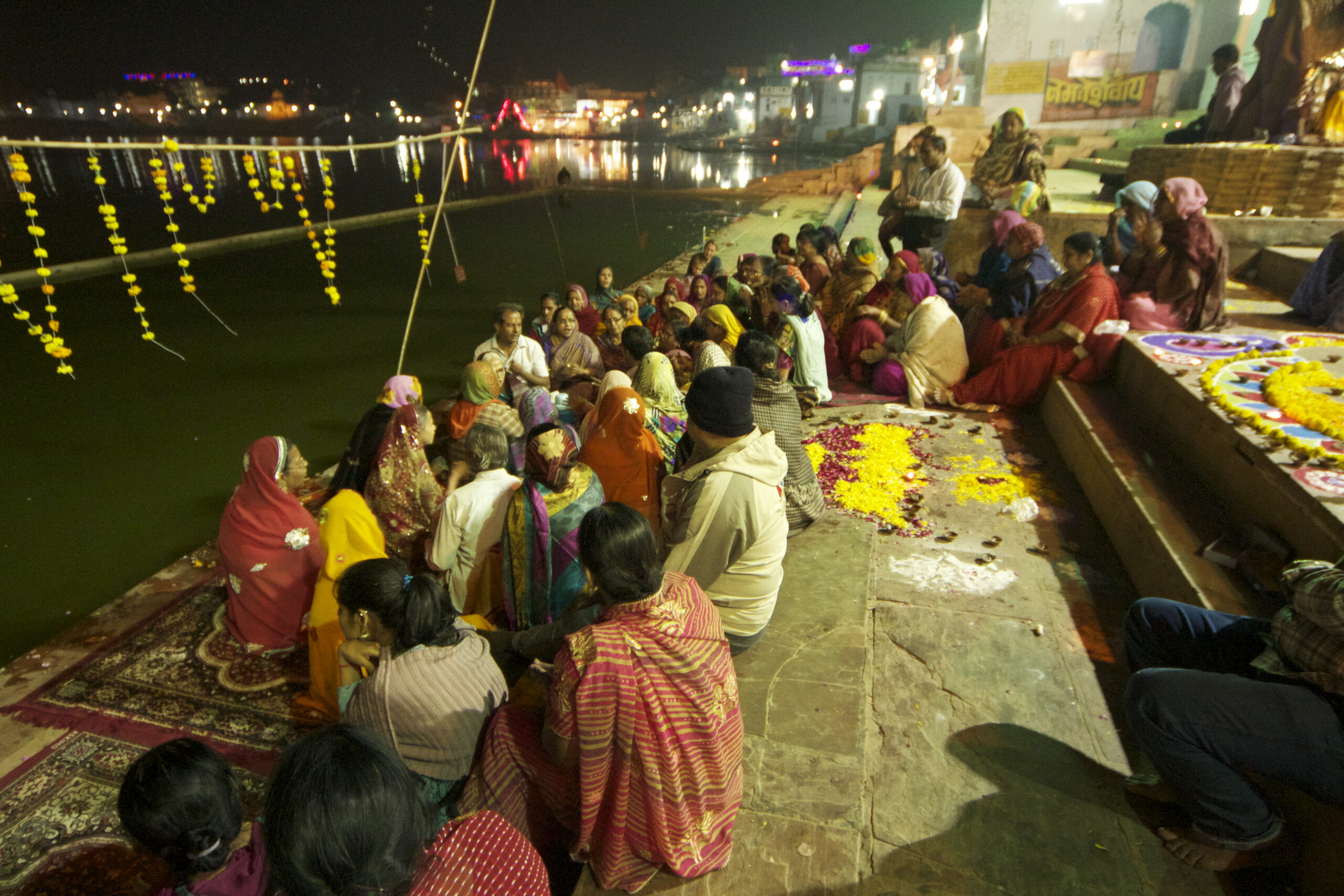
Devotional songs
- The bhajan (or kīrtan): any devotional song, most often a prayer sung to a deity.
- The qawwālī: of Sufi origin (North India, 14th c.), dedicated to Allah.
- The ghazal: a love song of Persian origin, sometimes with a mystical resonance, translated into Urdu in India.
- The Bāuls, “the madmen of God”: wandering musicians of Bengal, close to the philosophy of Kabīr, who influenced Tagore. Before radio, these travellers transmitted knowledge to every layer of society.
Further reading
The works of Alain Daniélou: The Music of Northern India, Origins and Powers of Music, Music and Dance of India.