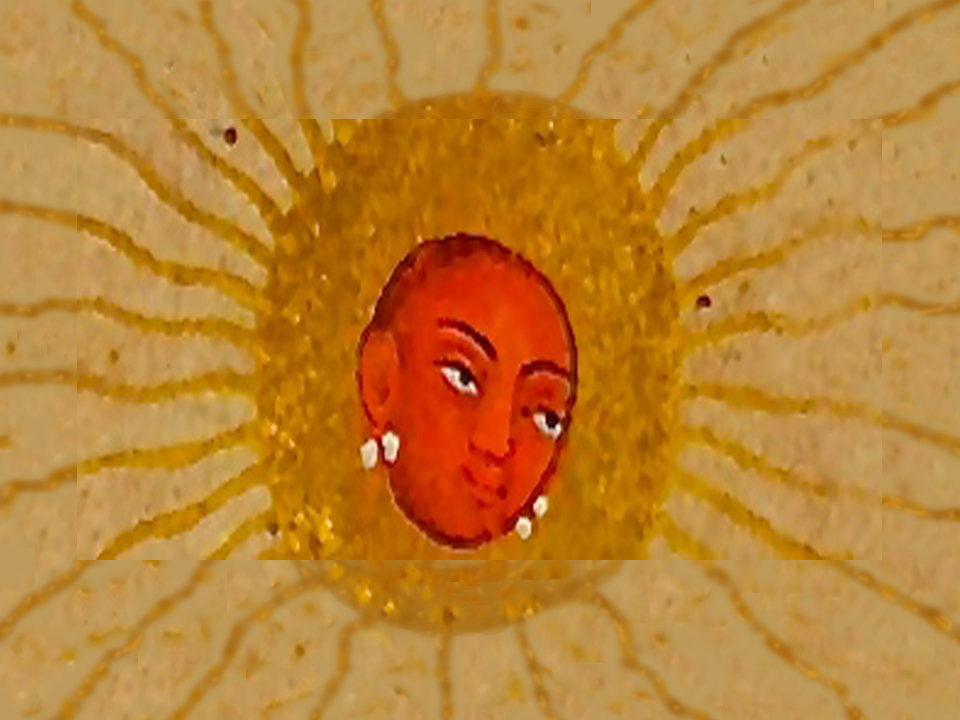
Indian astrology (Jyotish) is one of the auxiliary sciences of Hinduism, linked to the Veda. In India, no important decision is made without consulting an astrologer. The oldest form is based on 27 lunar constellations (nakṣatra) and the passages of the Moon.
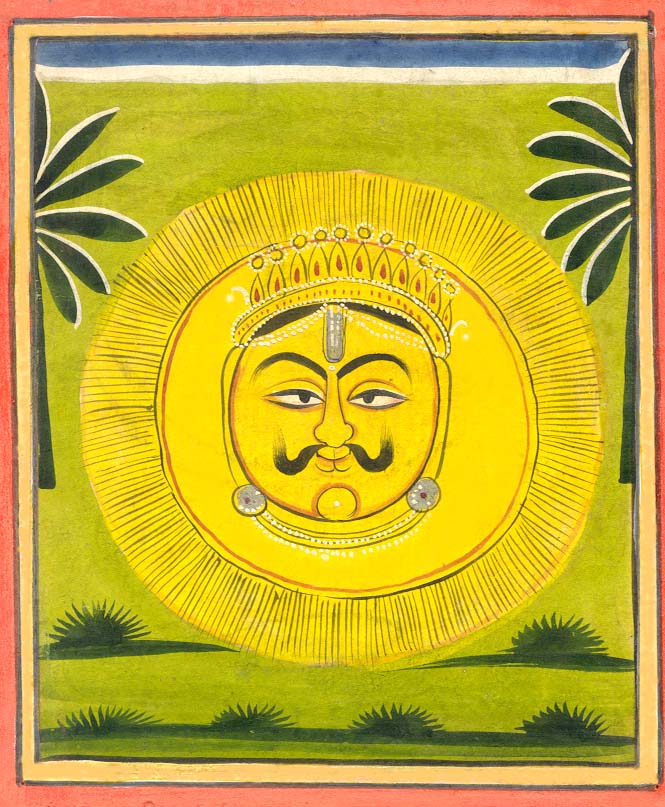
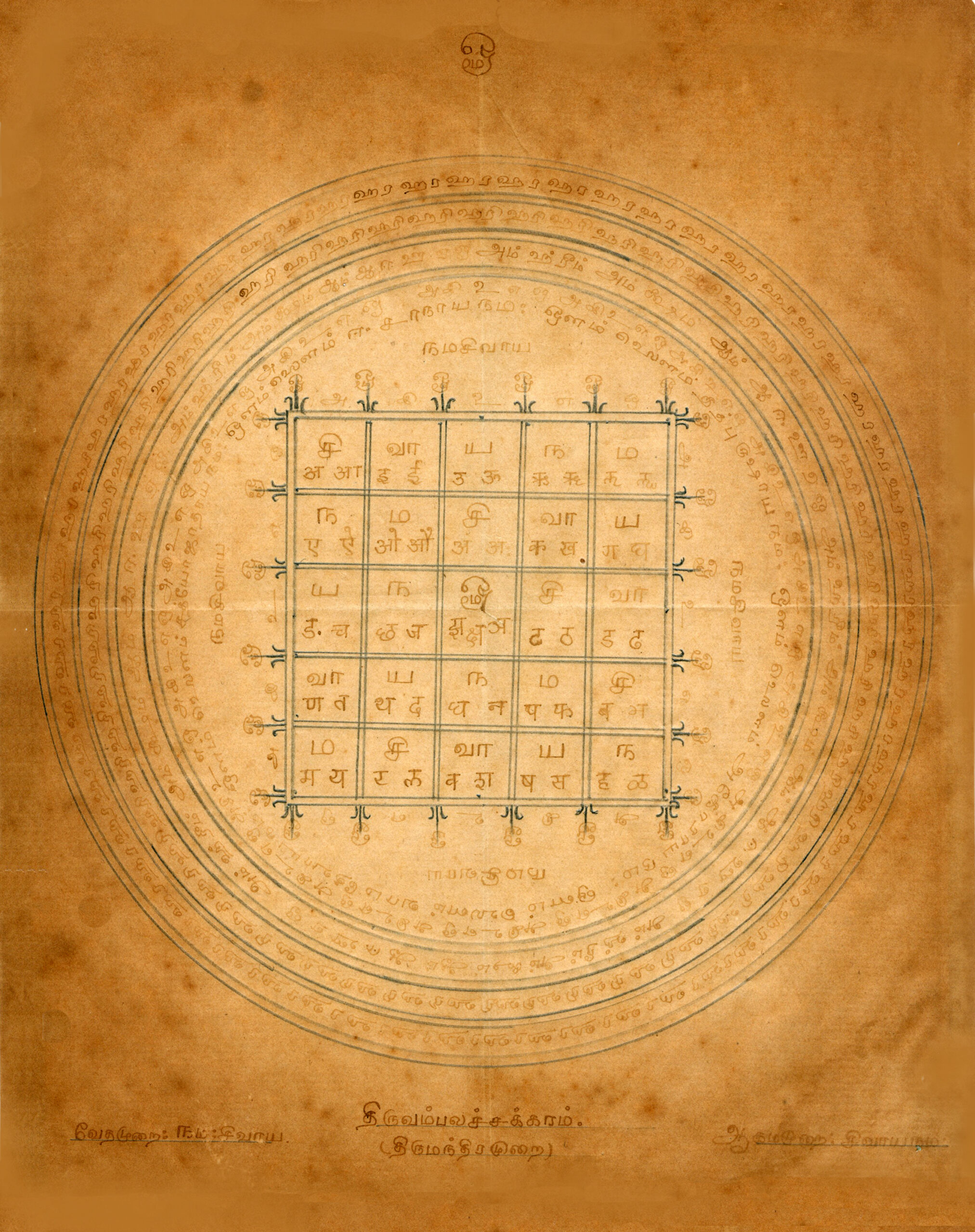
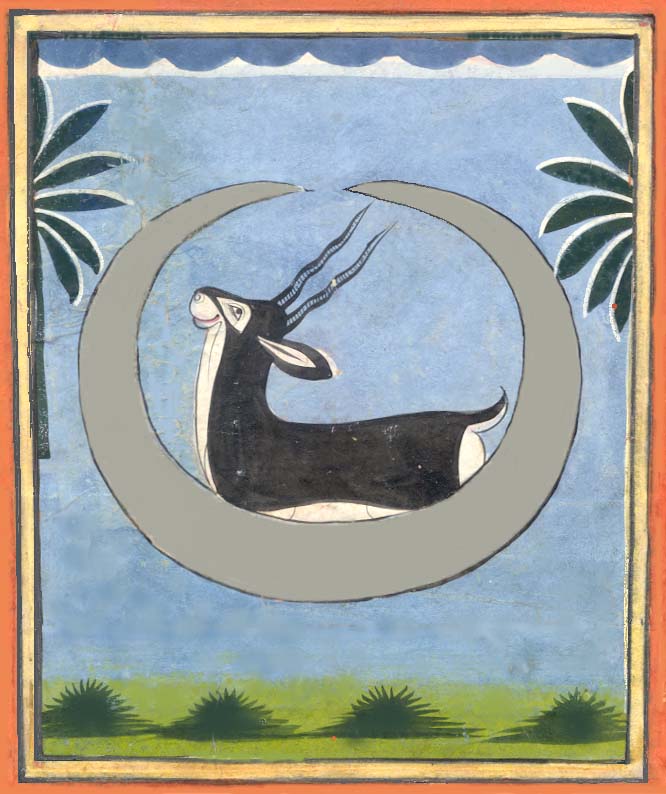
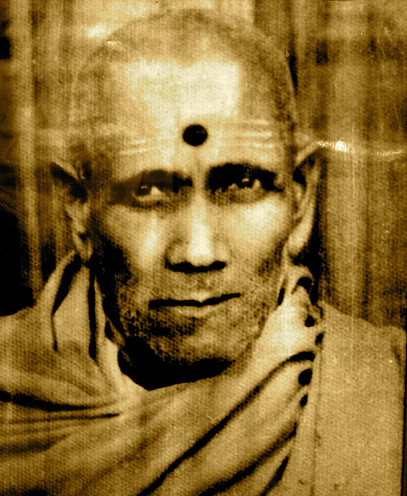
According to Jyotish, we are connected to the universe at every instant. The Maharajah of Mysore had his own astrologer: Krishna Pattabhi Jois, the father of Guruji (Sri K. Pattabhi Jois).
Indian and Western astrology
In the West, your “sign” is the constellation the Sun occupied at birth. Indian astrology gives primacy to the Moon and uses a sidereal zodiac: the signs coincide with the real constellations, without the shift caused by the precession of the equinoxes. Knowing your sign would mean knowing the constellation the Moon was crossing at the exact moment of birth — which cannot be deduced from the date alone.
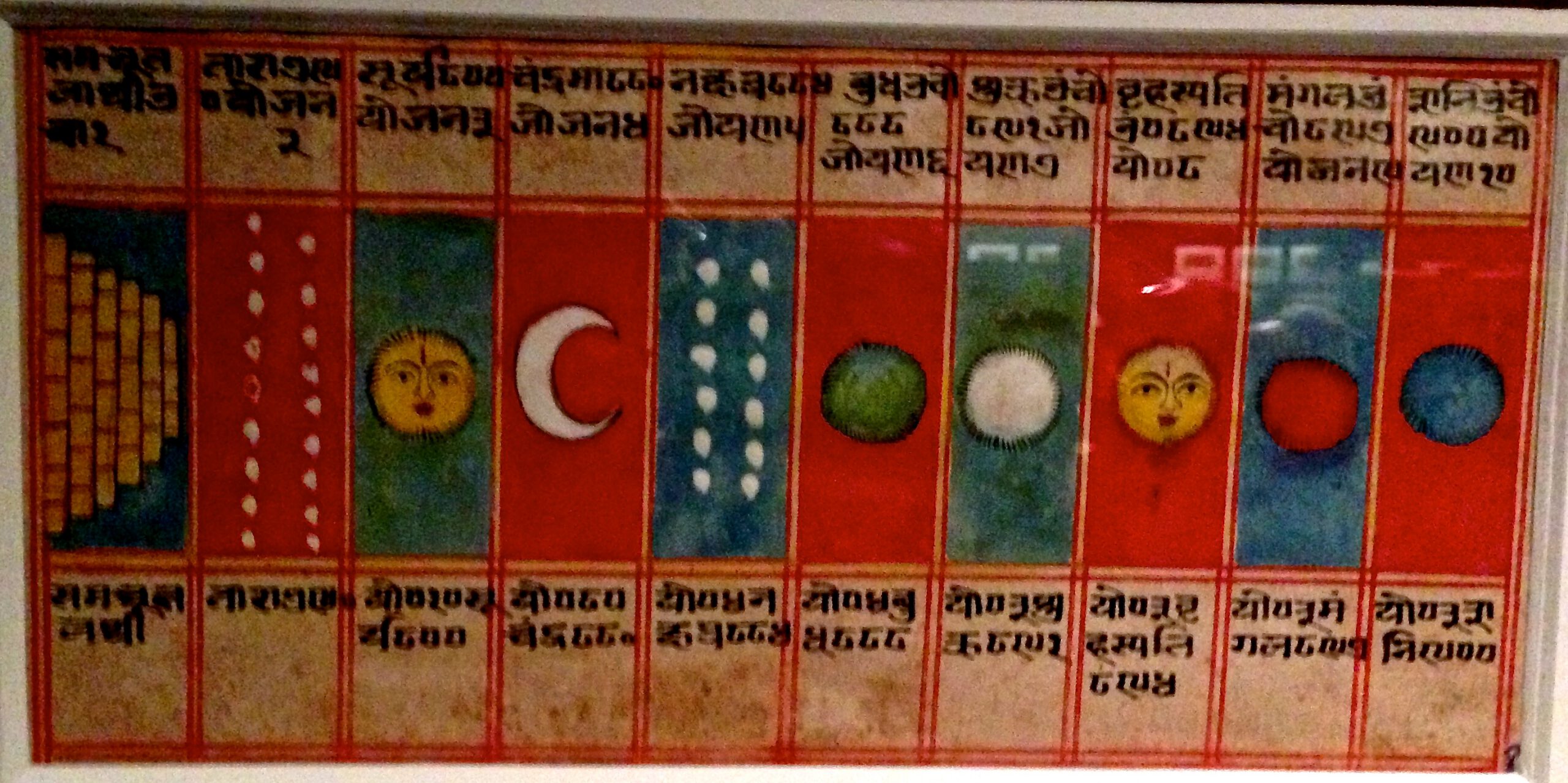
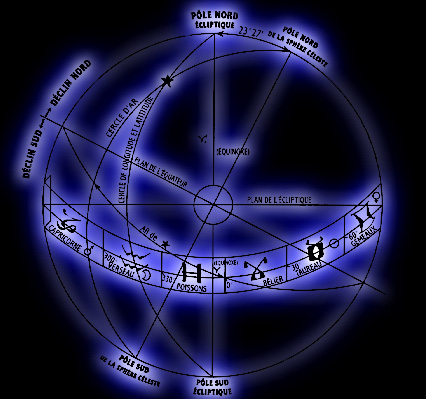
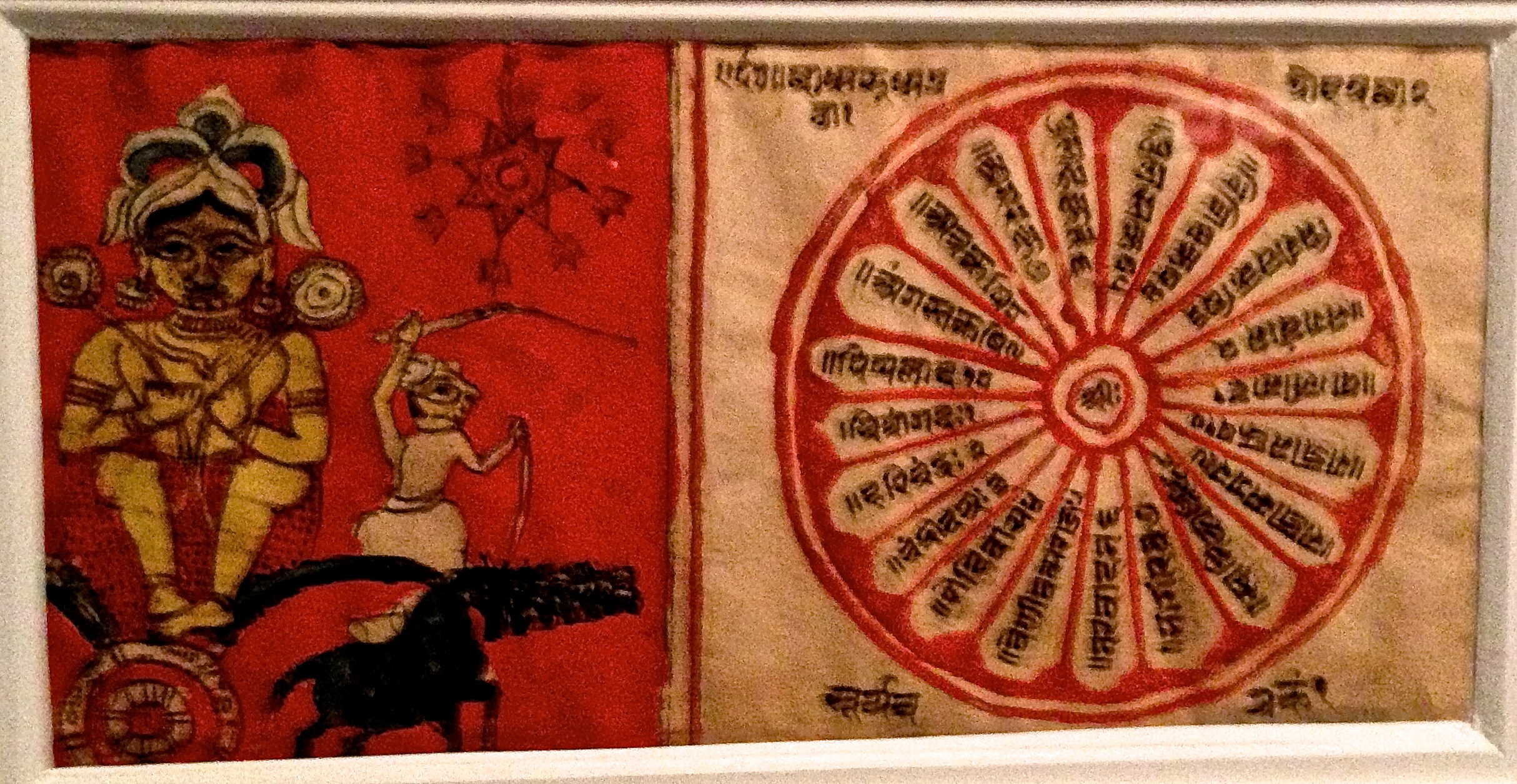
The birth chart
It is the representation of the sky, seen from a precise point on the globe, at the instant a being comes into the world. Like a snapshot, it captures that “inextricable knot of energies” which a being is. As no balance is perfectly stable, the being never stops transforming; the intensity and quality of these energies define its nature and its “degree in being”.
Further reading
With thanks to Jean Dethier for his introduction to Indian astrology. To read: B.A.-BA de l’astrologie indienne (Jean Dethier, Pardès); L’astrologie de l’Inde (Dangles); ABC de l’astrologie indienne (Denise Huat, Grancher).