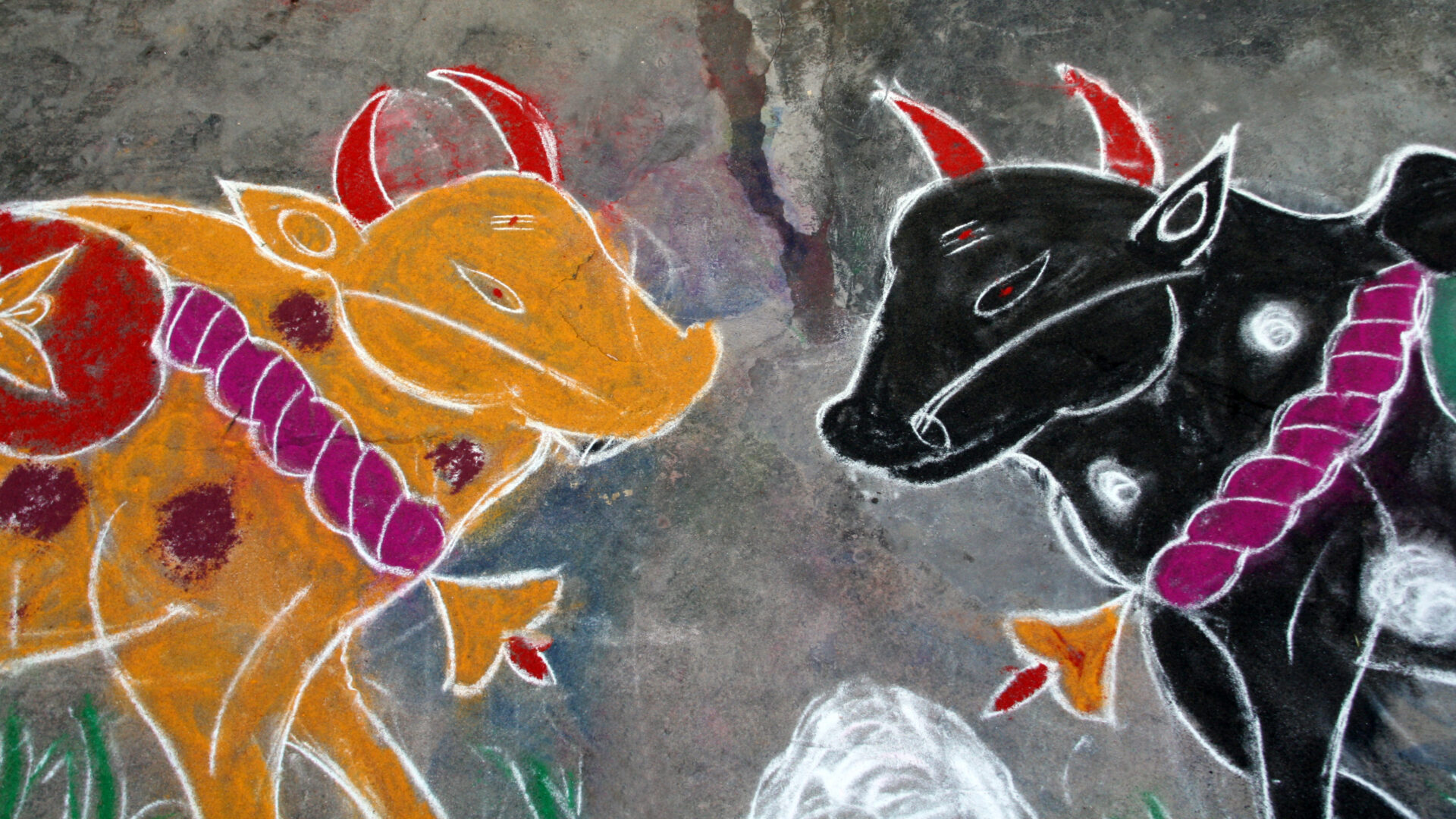
Pongal, the festival of the rice harvest and of thanksgiving: four of the most colourful days in South India, around 14 January.
A festival of harvest and gratitude
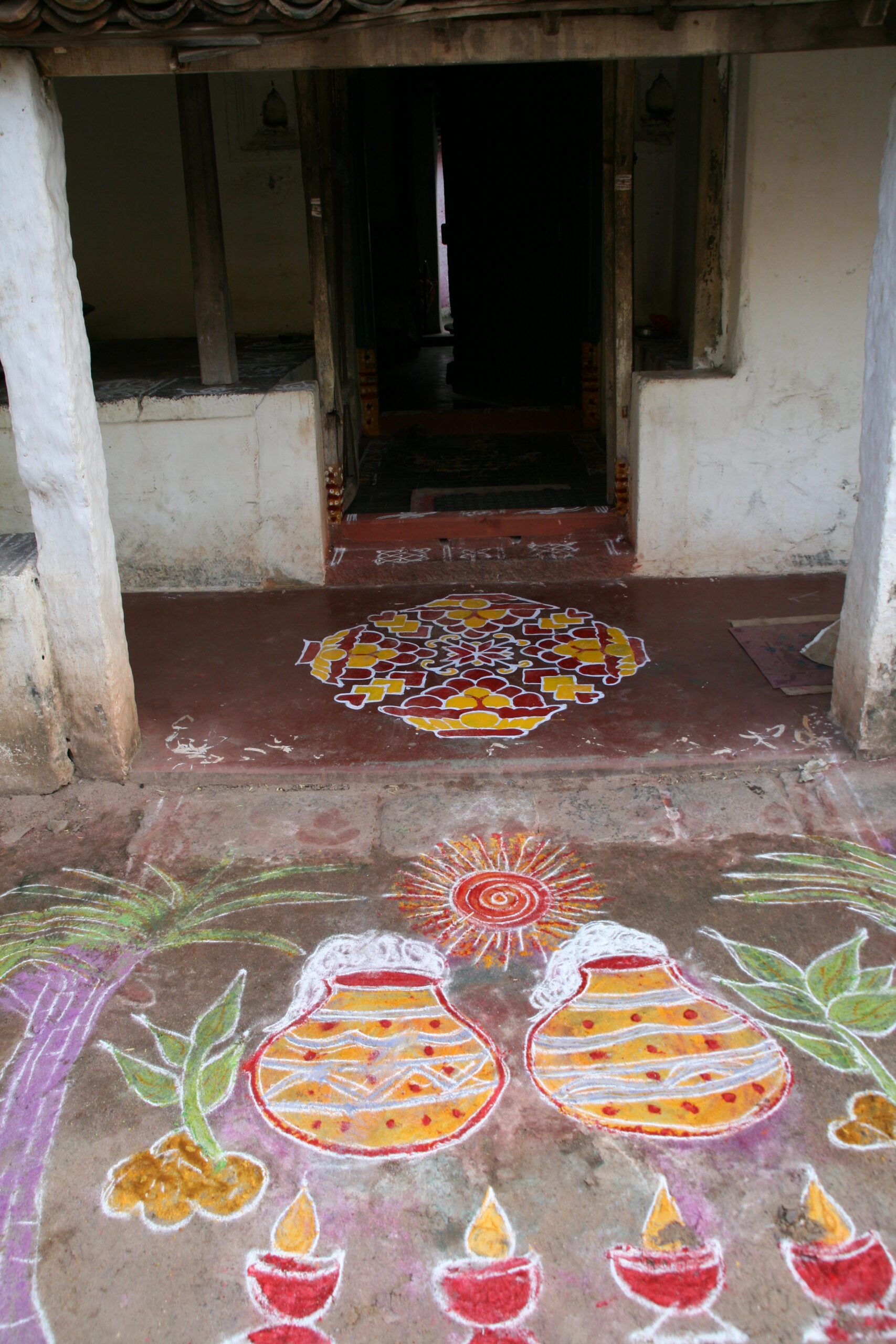
Pongal is celebrated at home with the family and lasts four days — a little like an “Indian Easter”, the time of the great clean. The lady of the house traces a rangoli (kolam) before the door, the cows are painted and decorated, and a rice with cane sugar and spices is boiled over in a large pot, then shared with everyone.
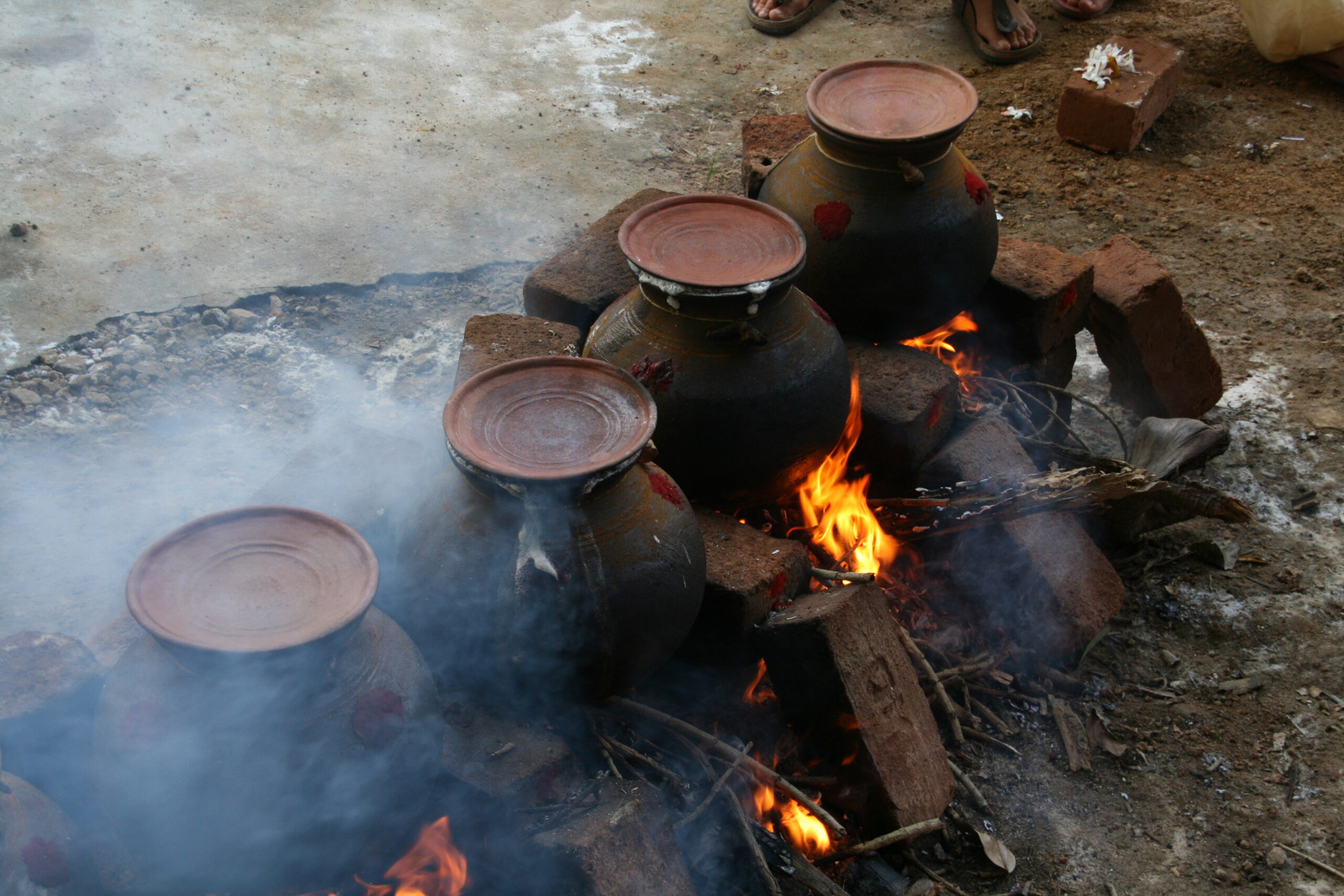
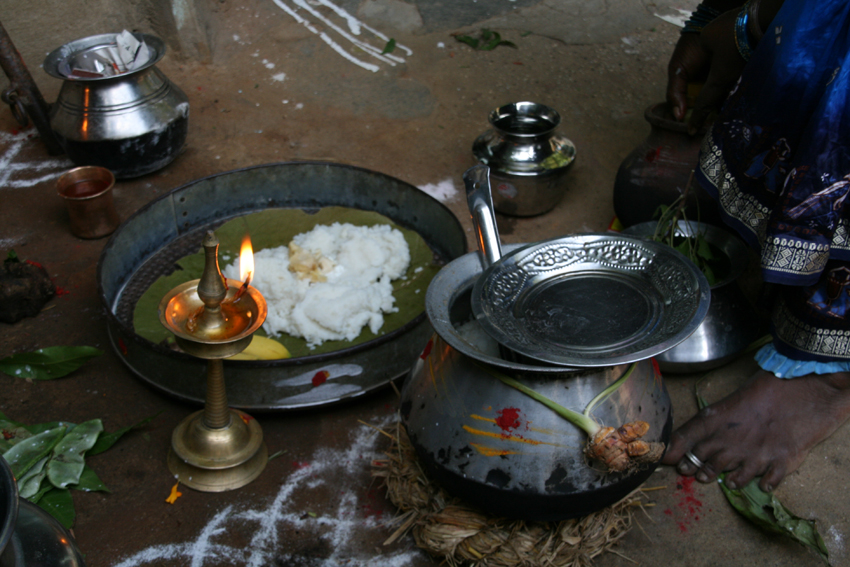
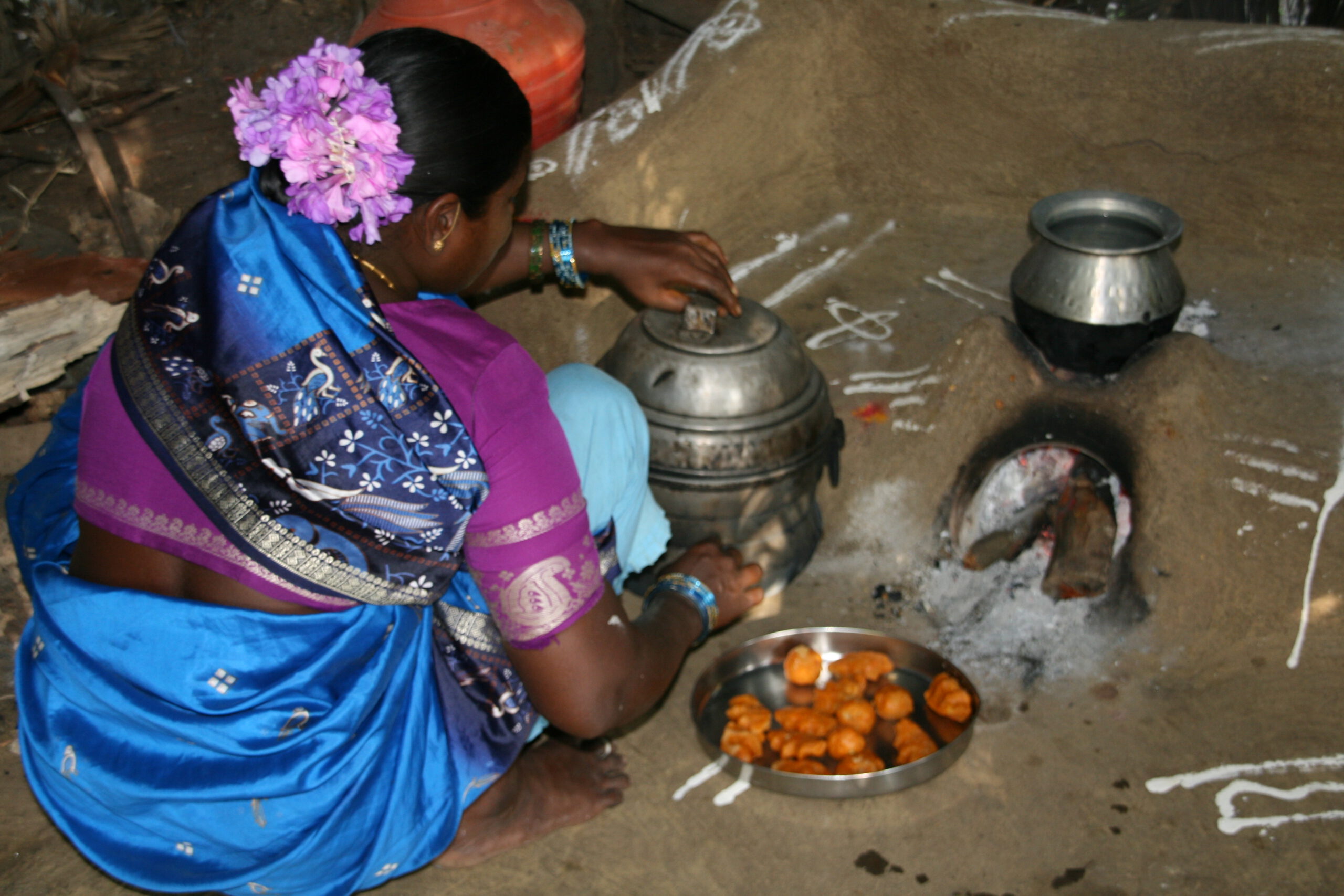
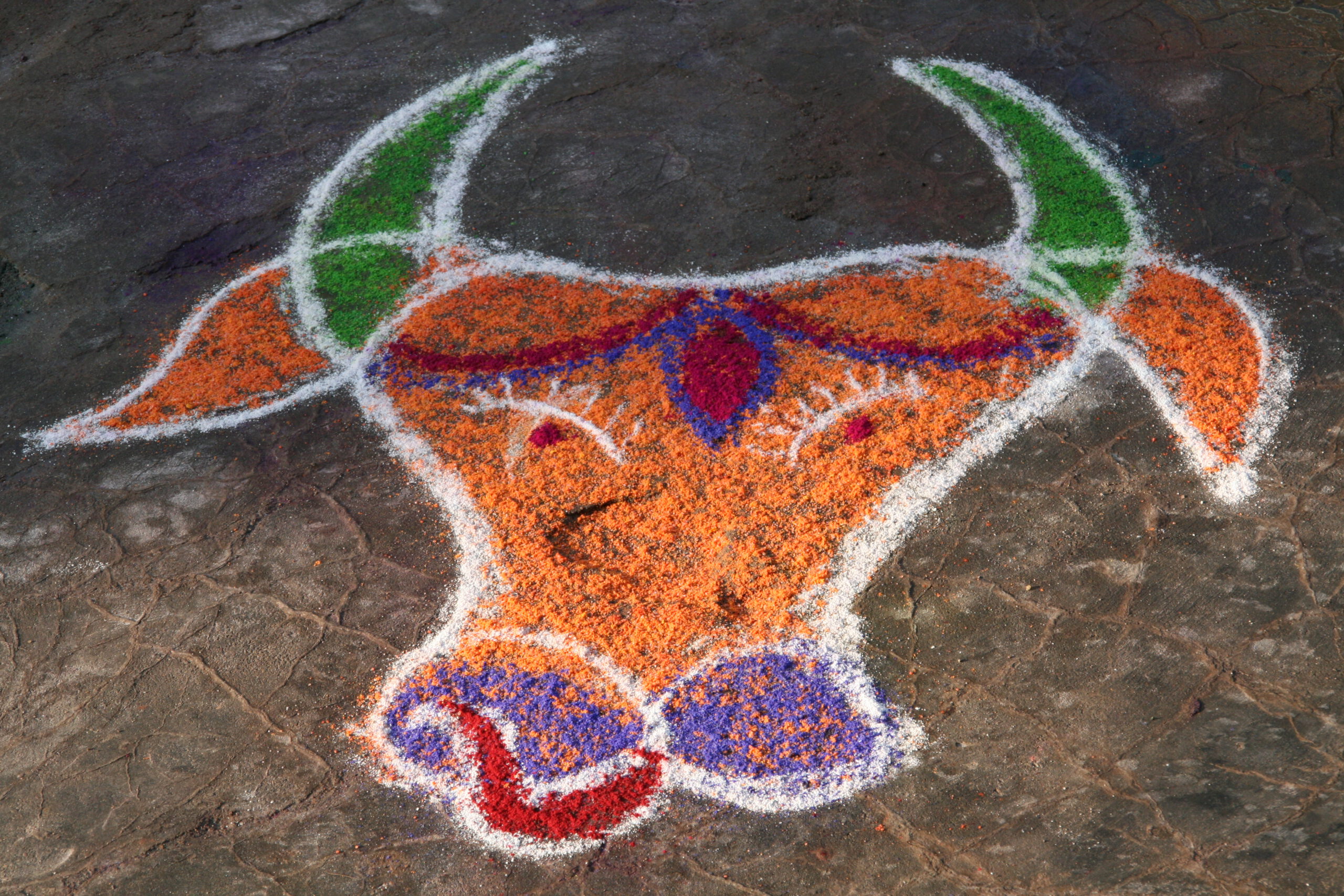
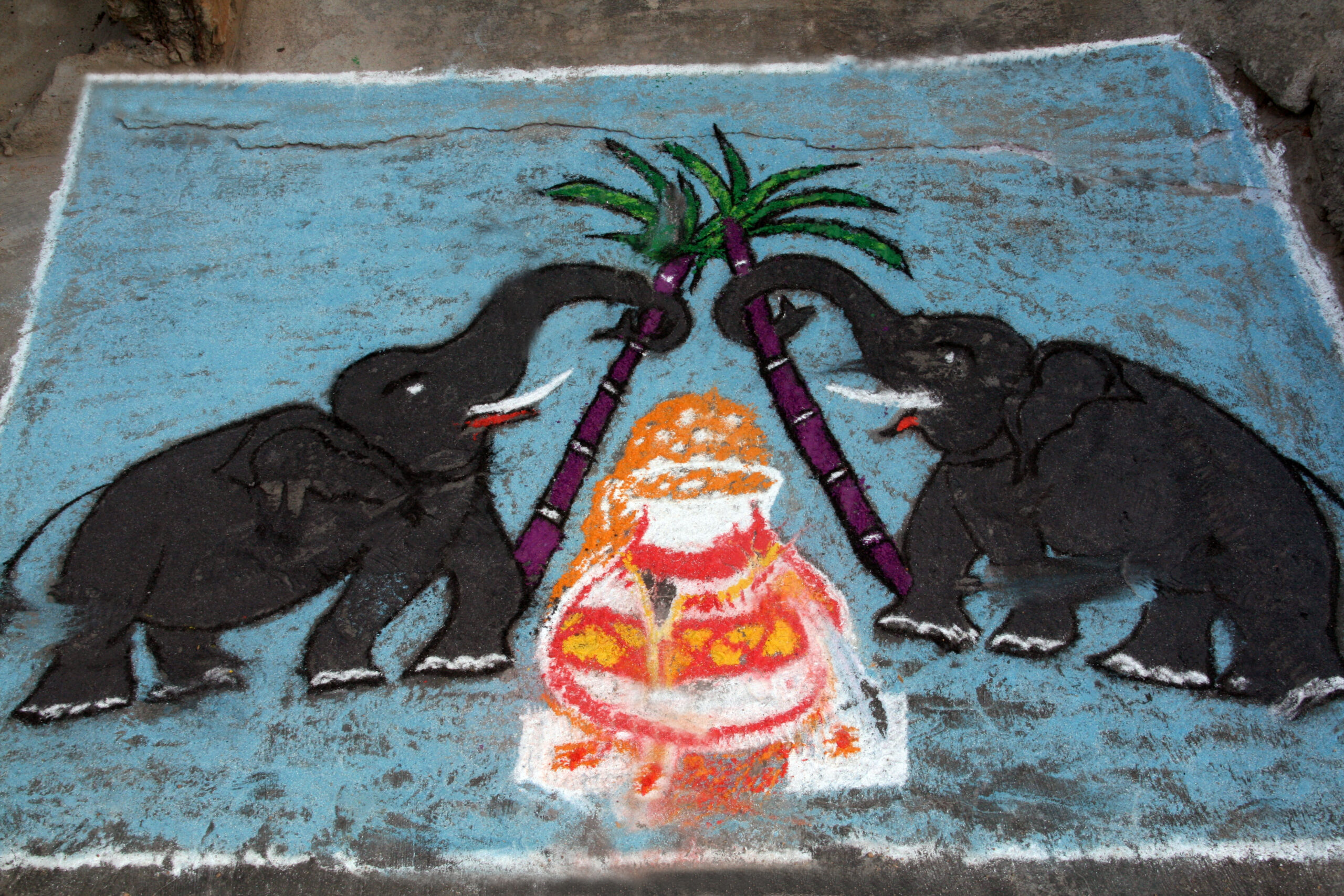
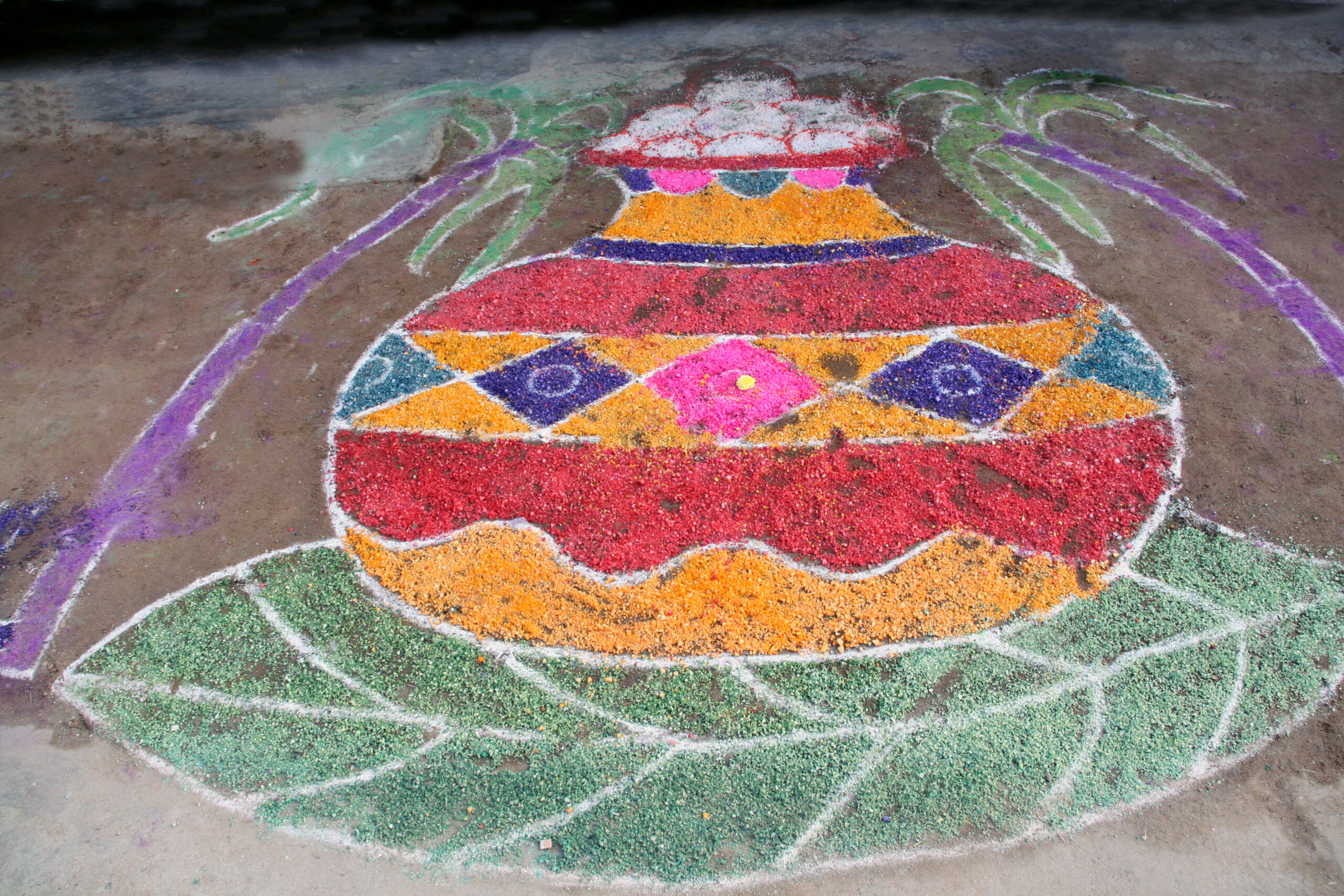
A secular festival fixed on 14 January (Makara Saṃkrānti), it marks the sun’s passage towards the Tropic of Capricorn (makara) — an auspicious day, the promise of a new beginning.
“The gods help those who show the six virtues: activity, boldness, courage, wisdom, strength and perseverance.”
Subhāṣita
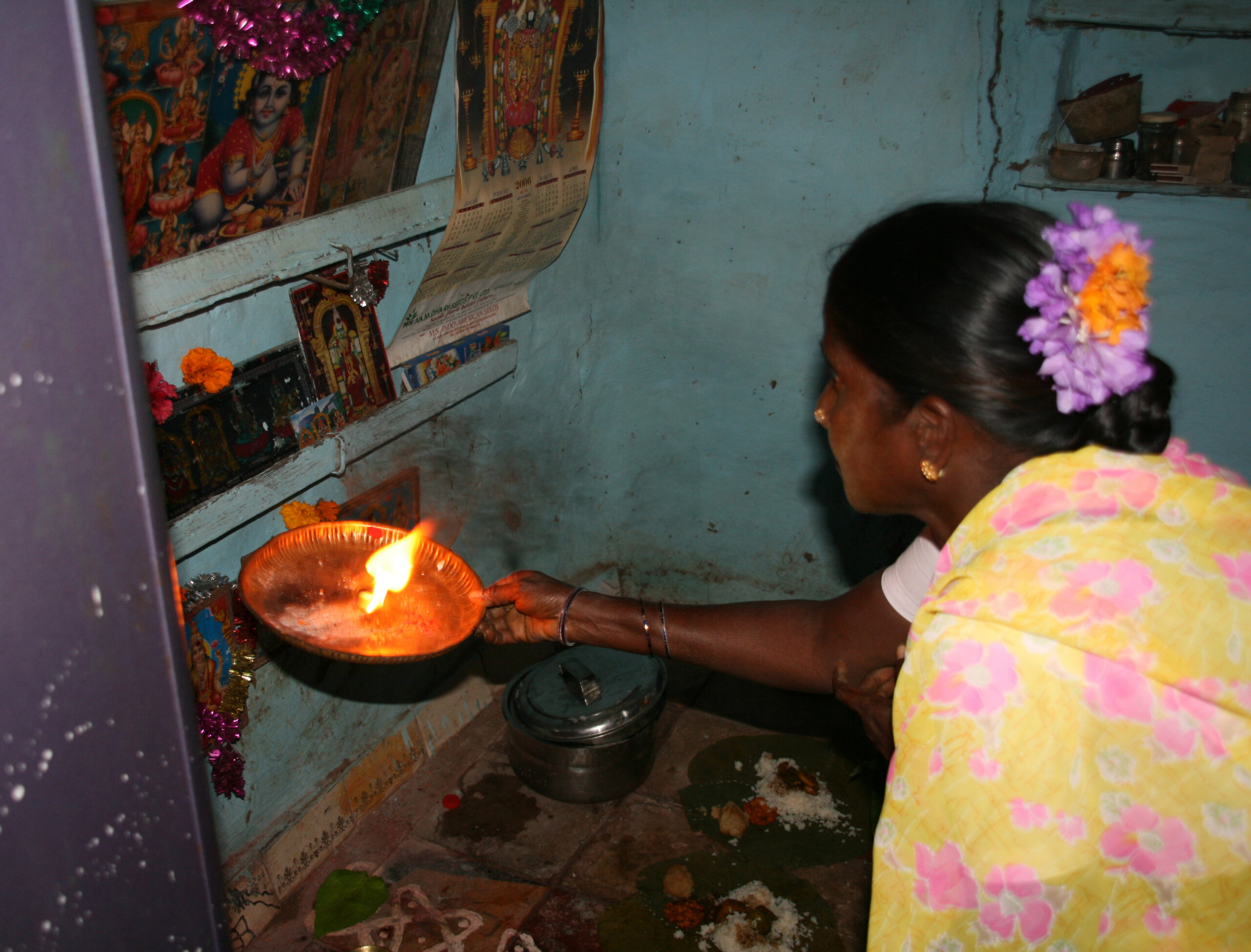
The four days
1. Bhogi Pandigai — all night, old clothes and old mats are burned around a fire (the destruction of evil), and rangolis are traced before every house.
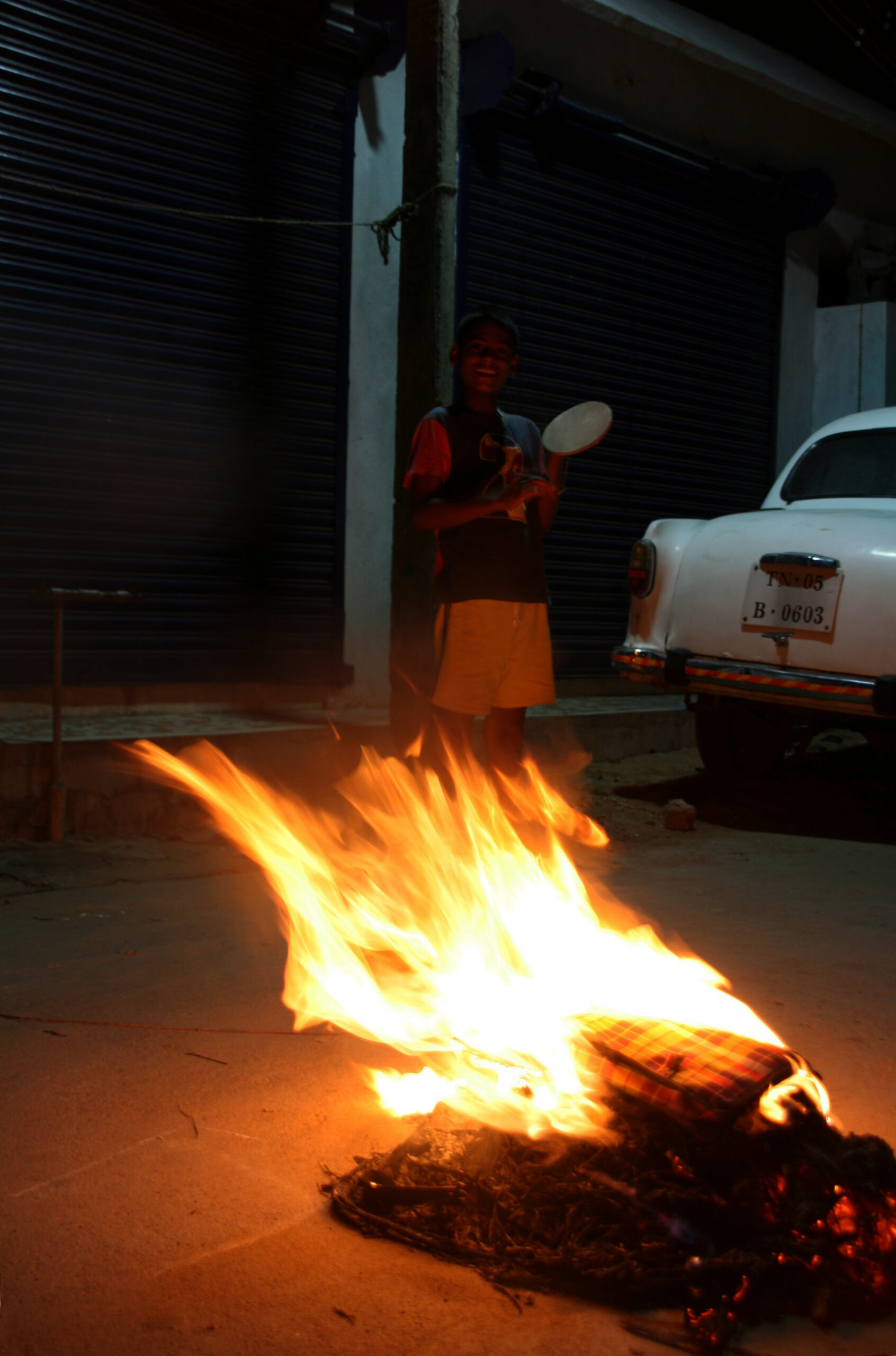
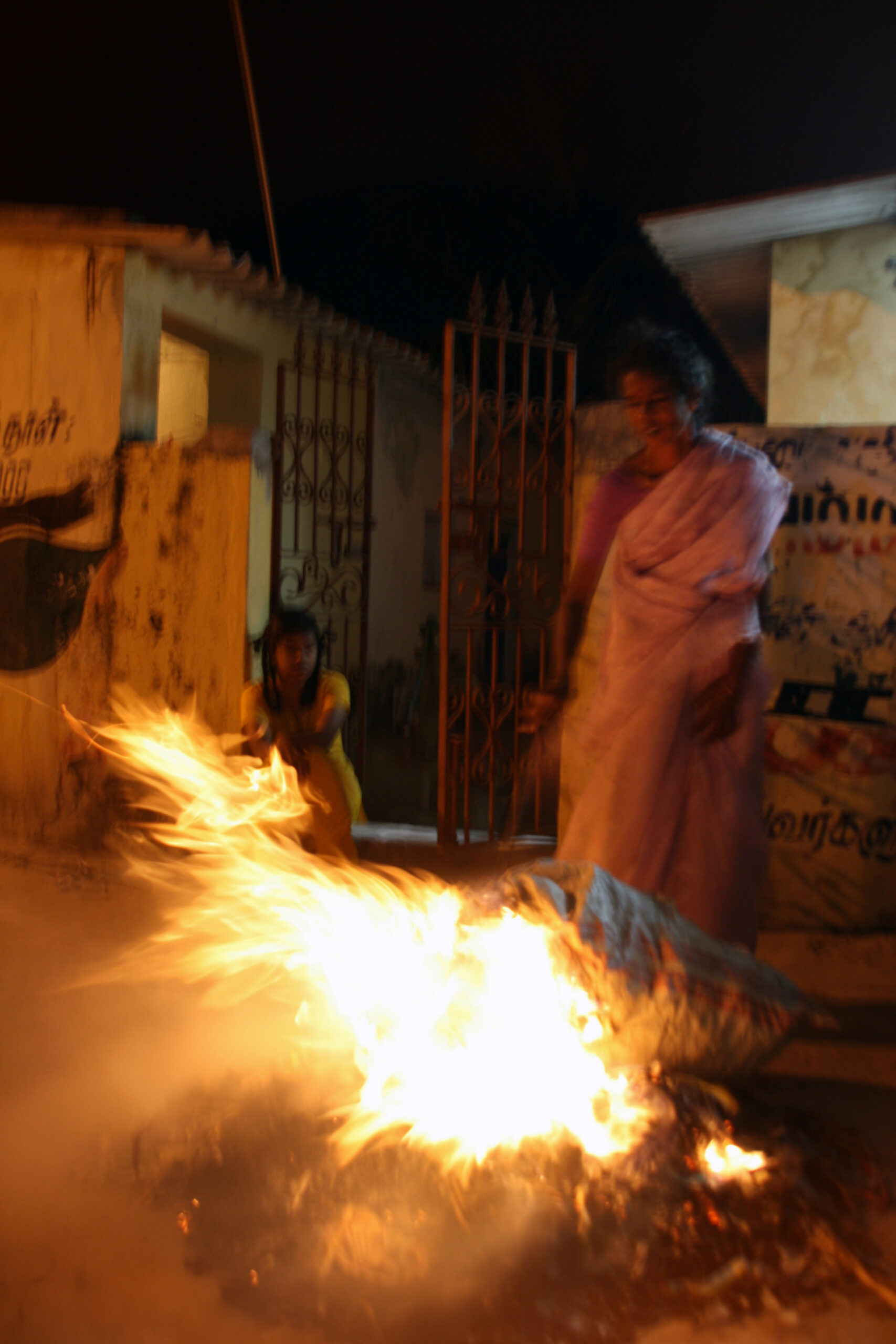
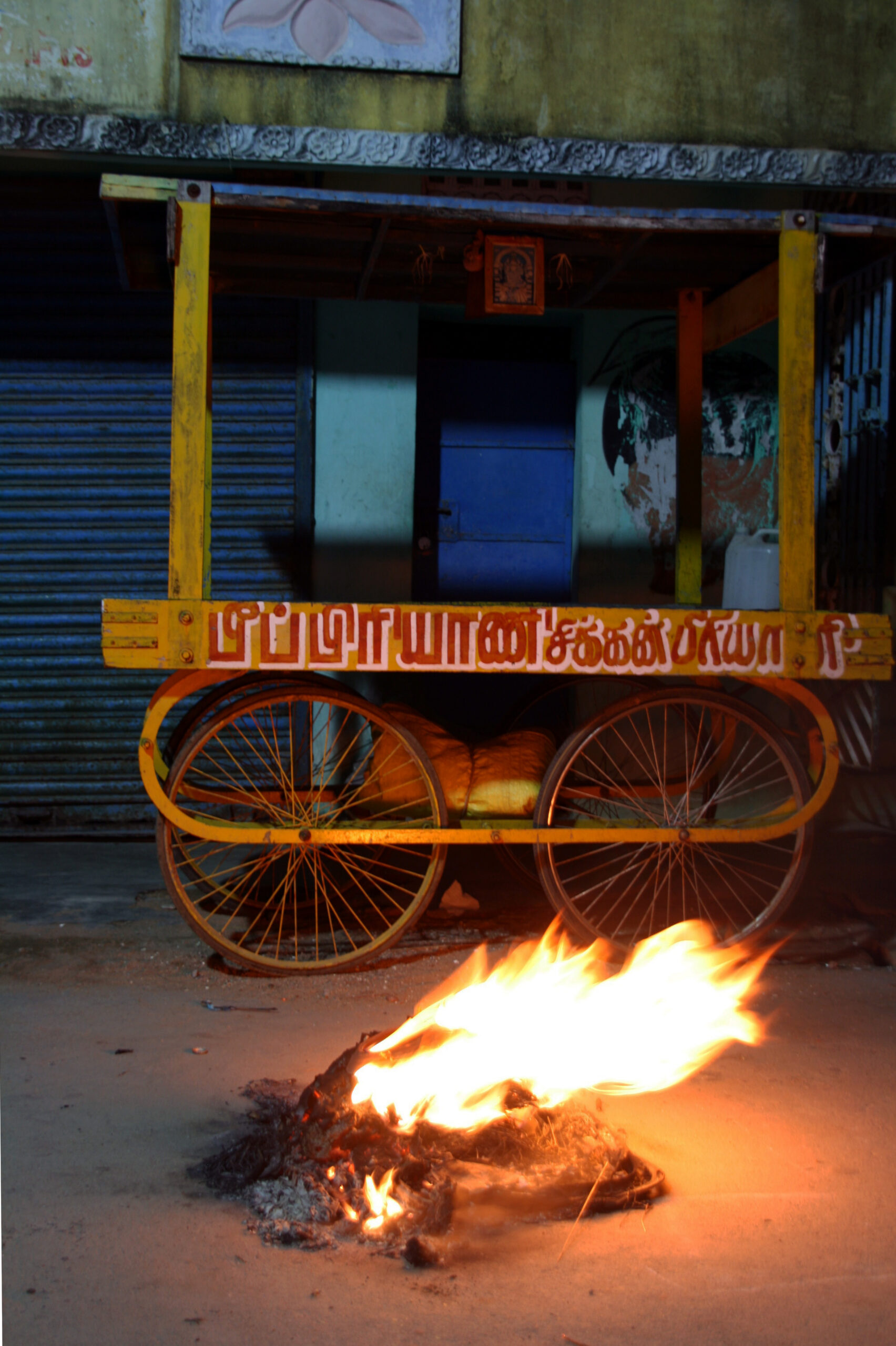
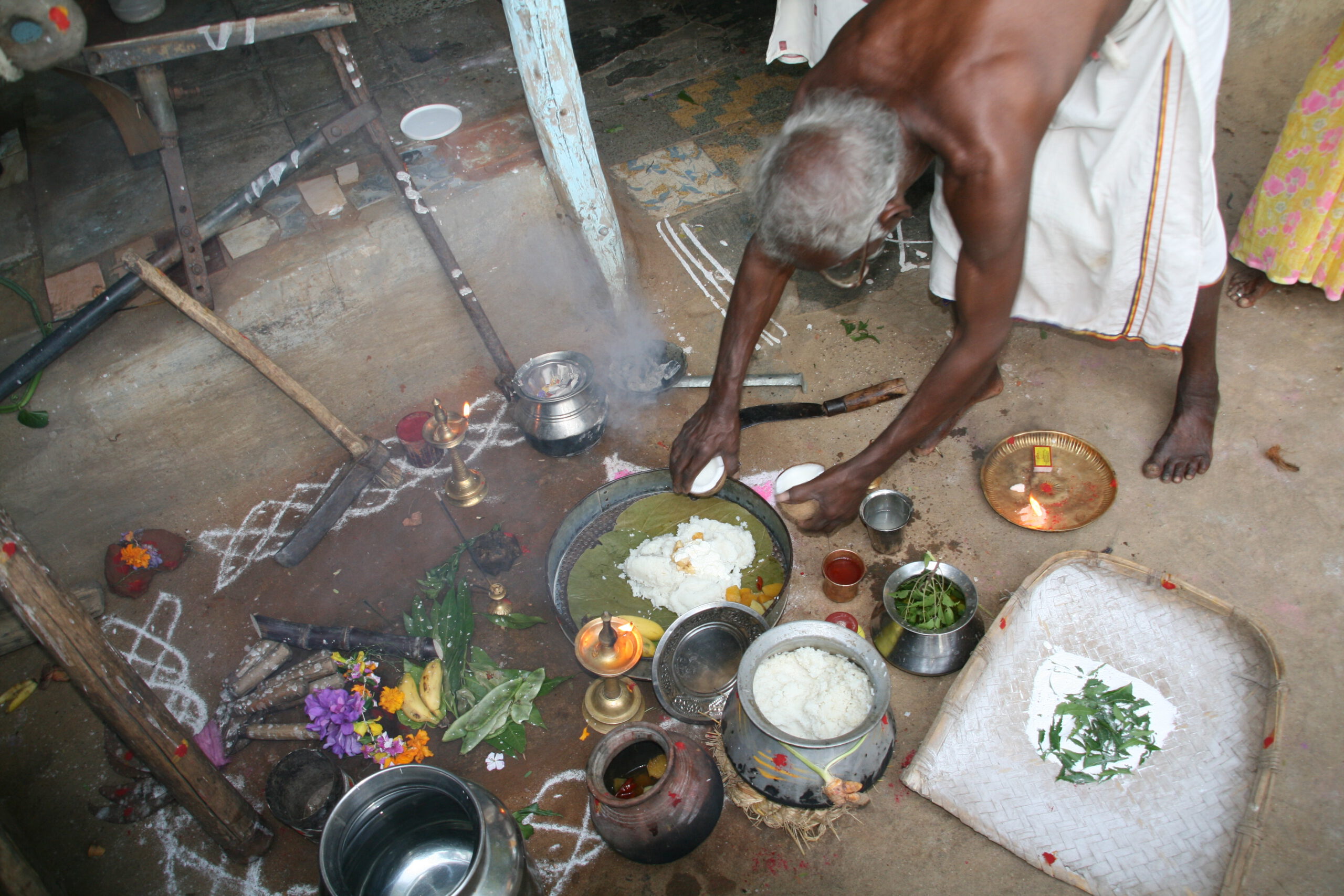
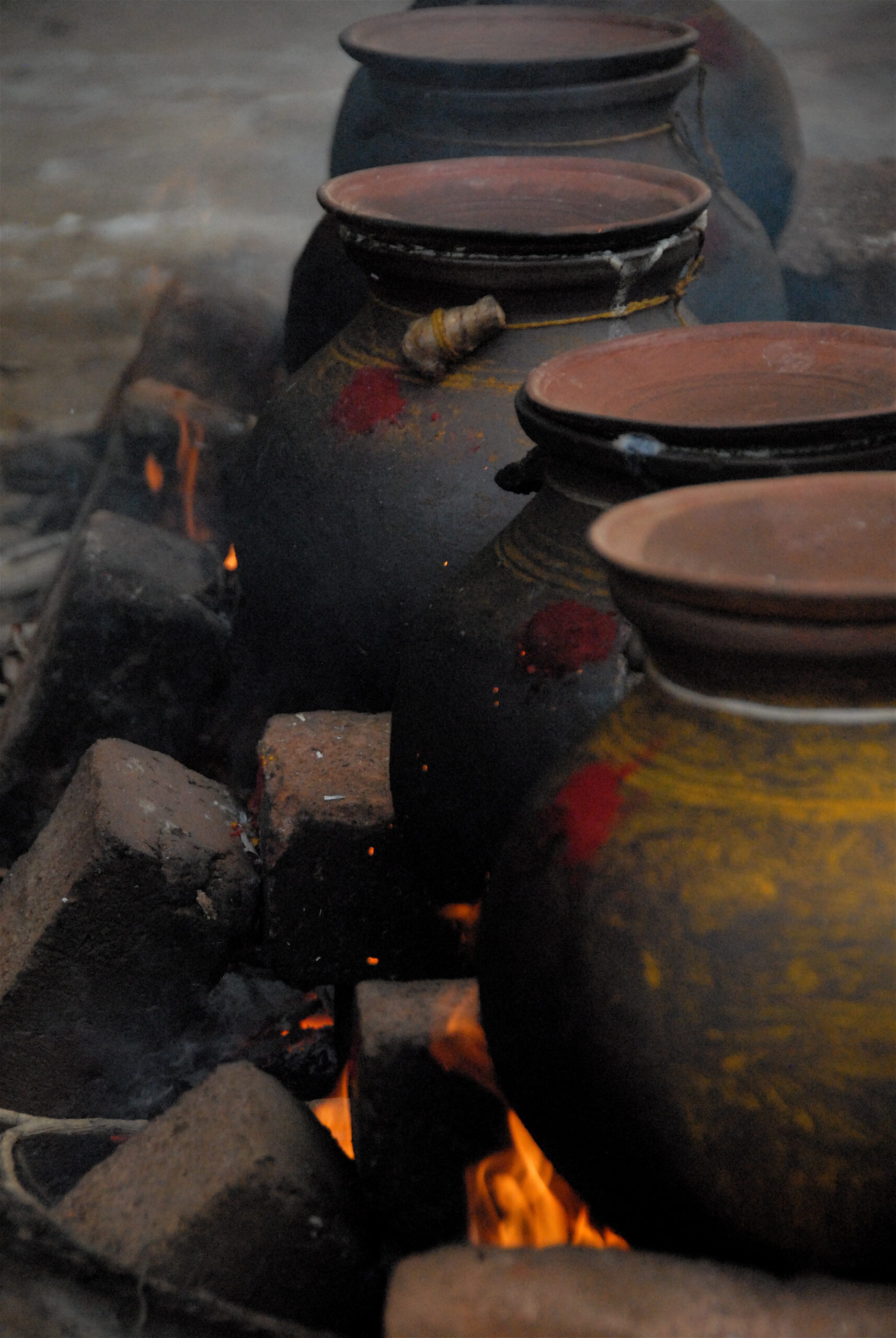
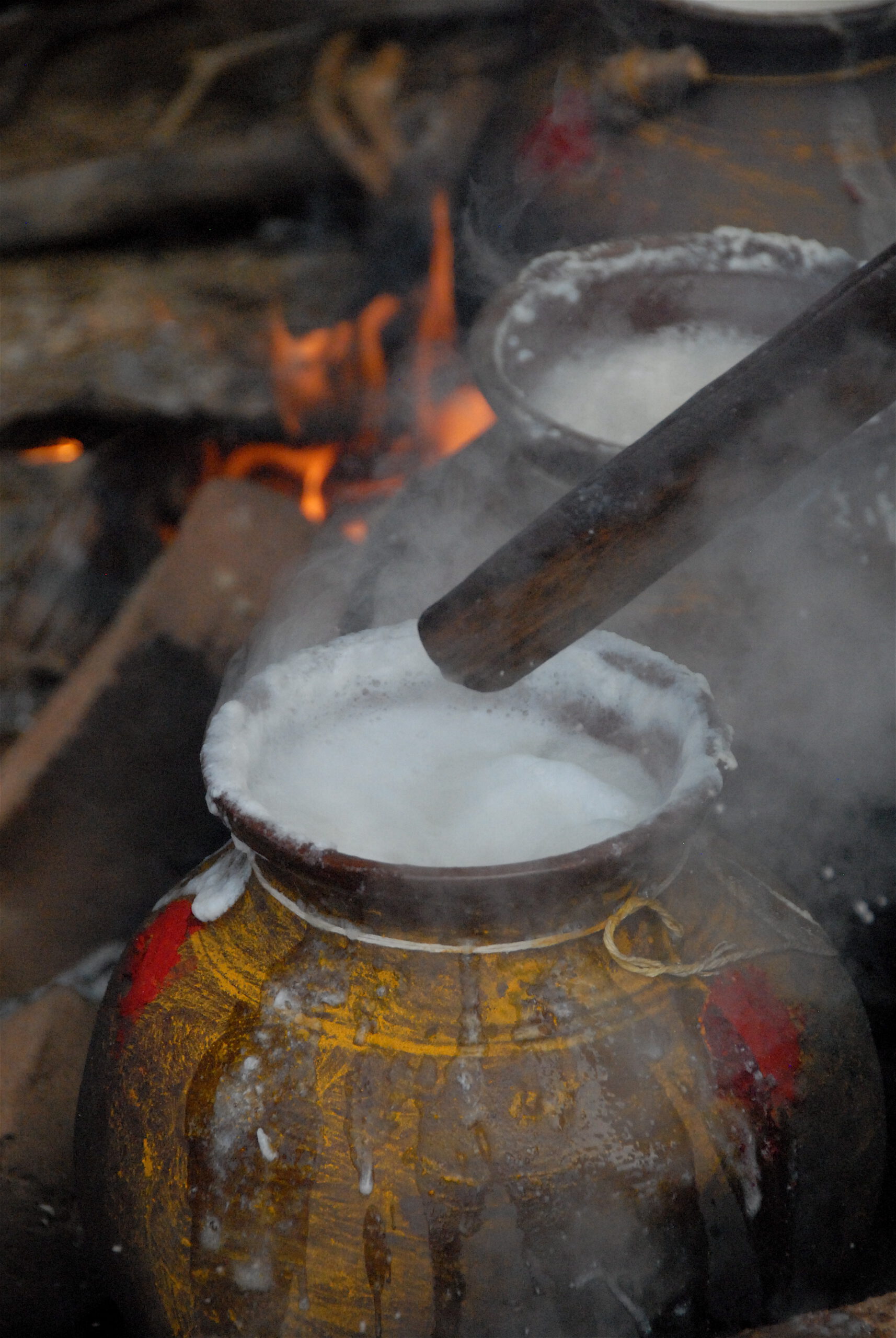
2. Thai Pongal — at dawn, the new rice is boiled in new pots with milk and brown sugar, left to boil over to draw the goodness of the gods. Visits and good wishes are exchanged.
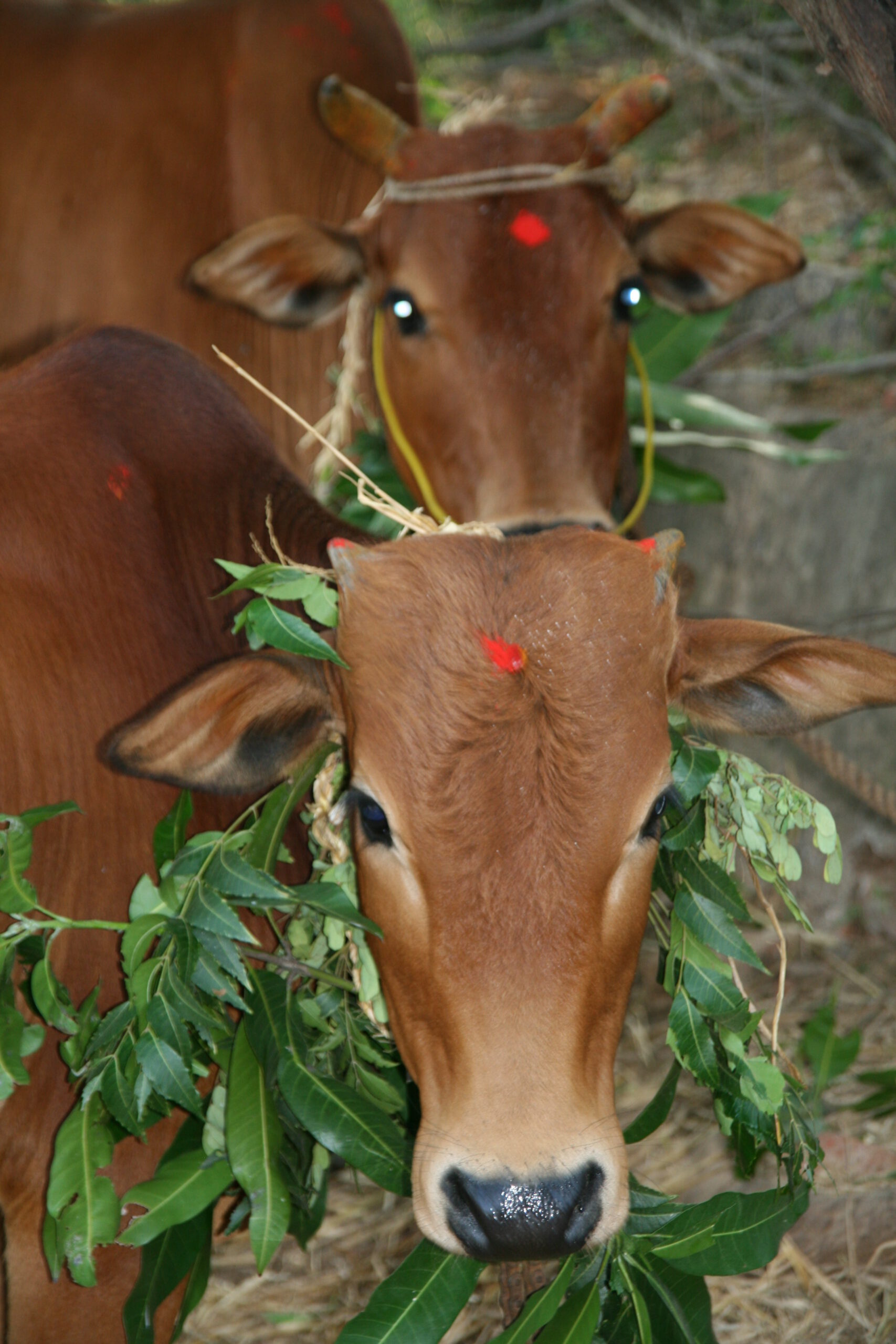
3. Maattu Pongal — a day of gratitude to the cows and buffaloes: they are painted, adorned with flowers and paraded to music. In some villages the Jallikattu, a bull-taming run, takes place.
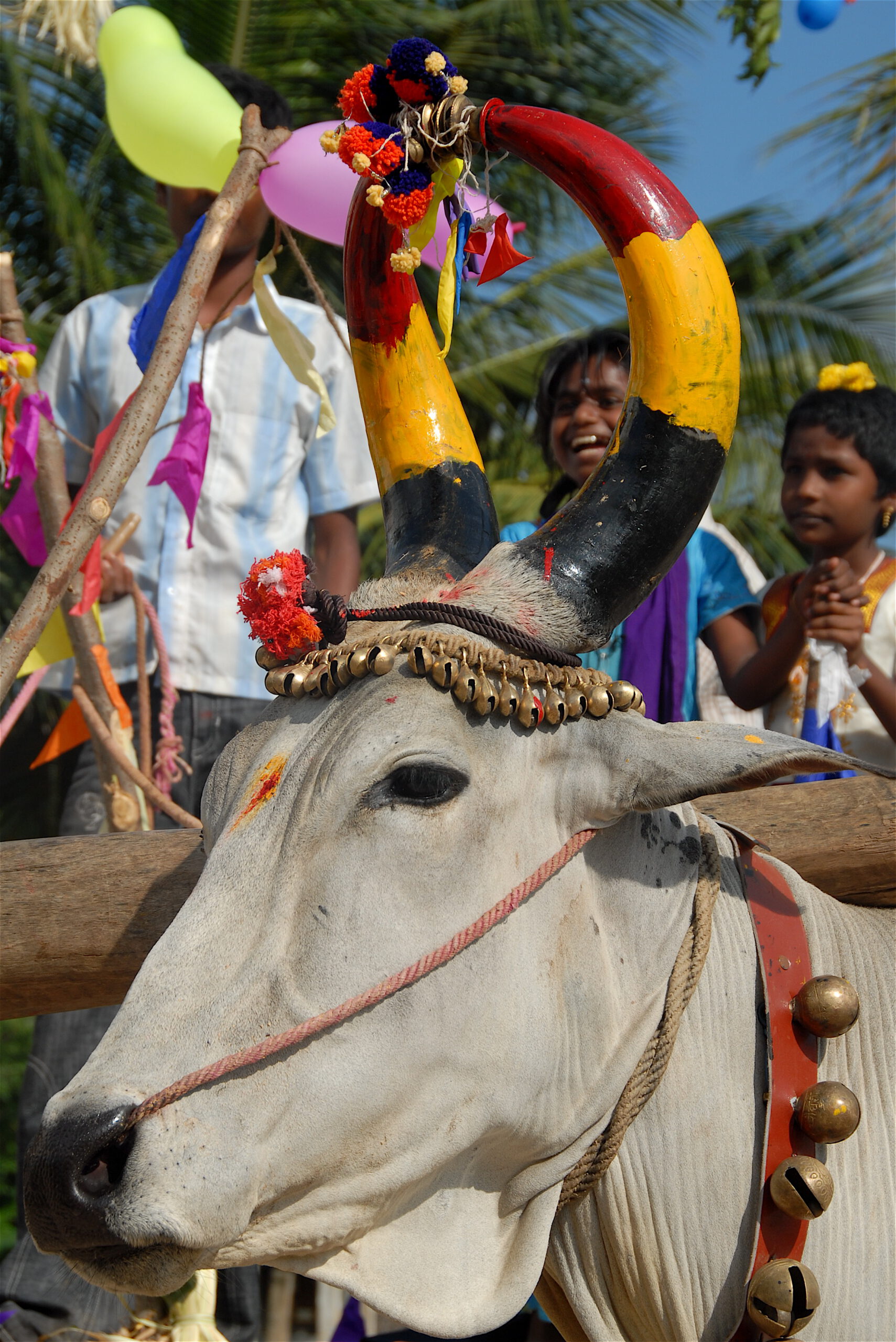

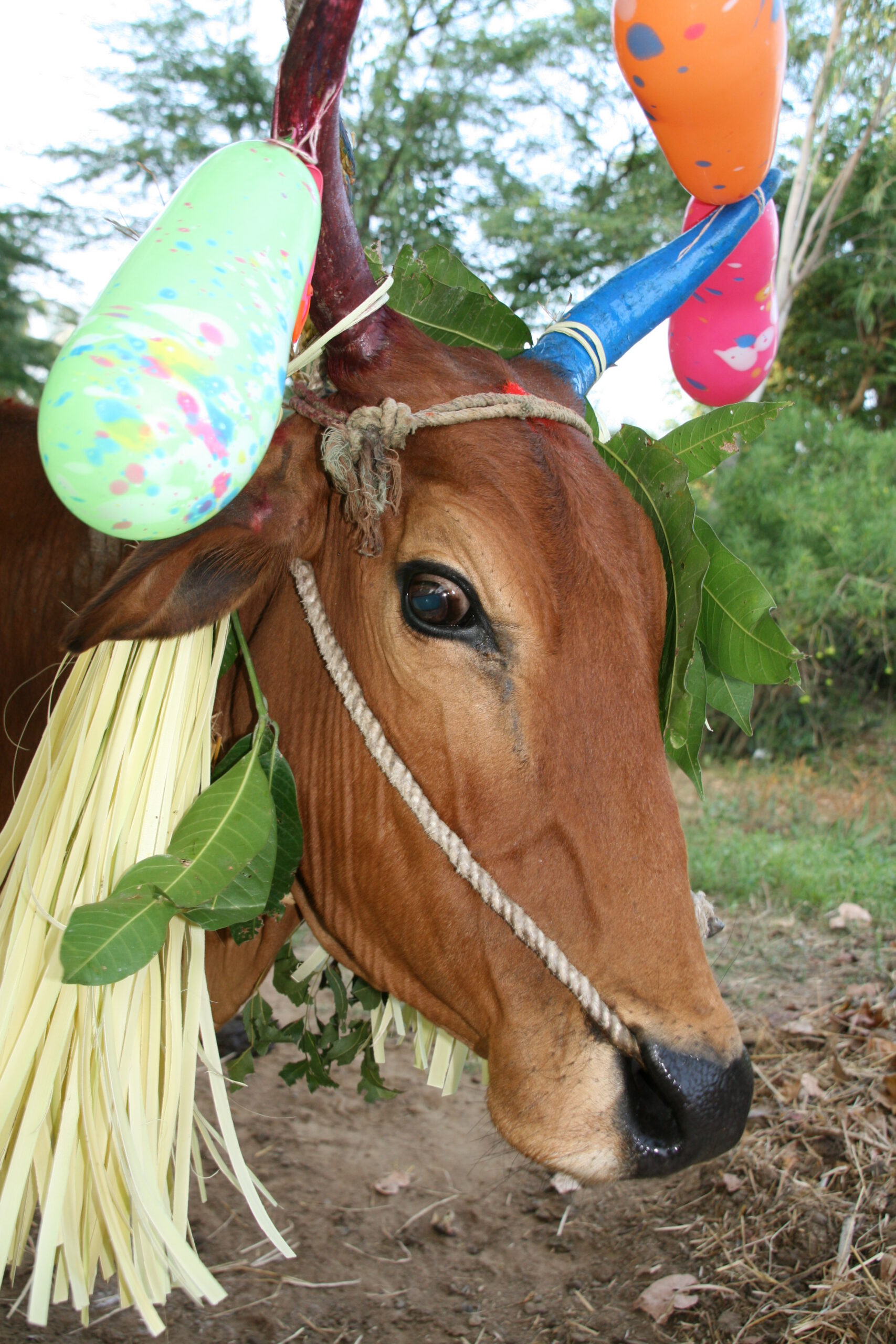
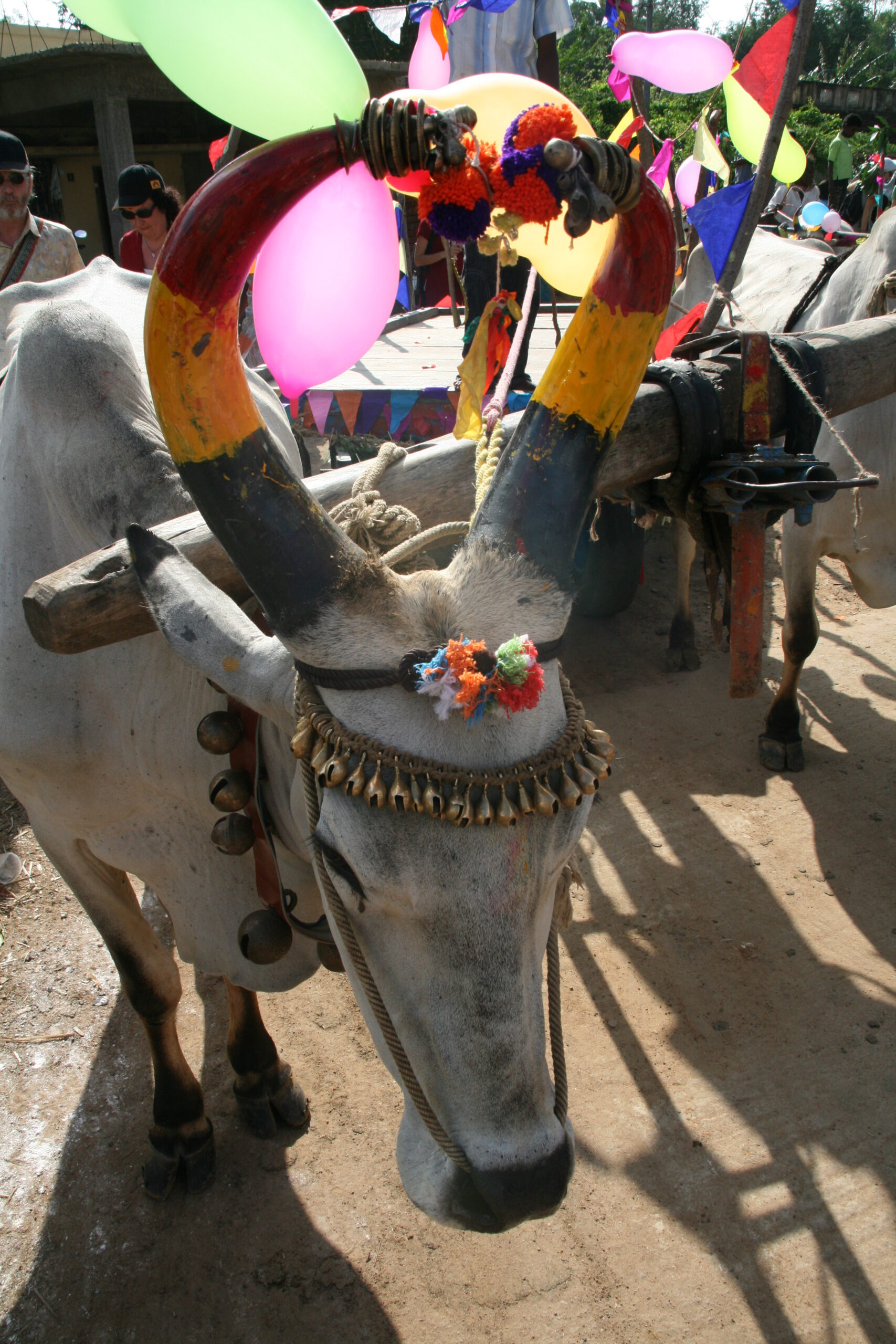
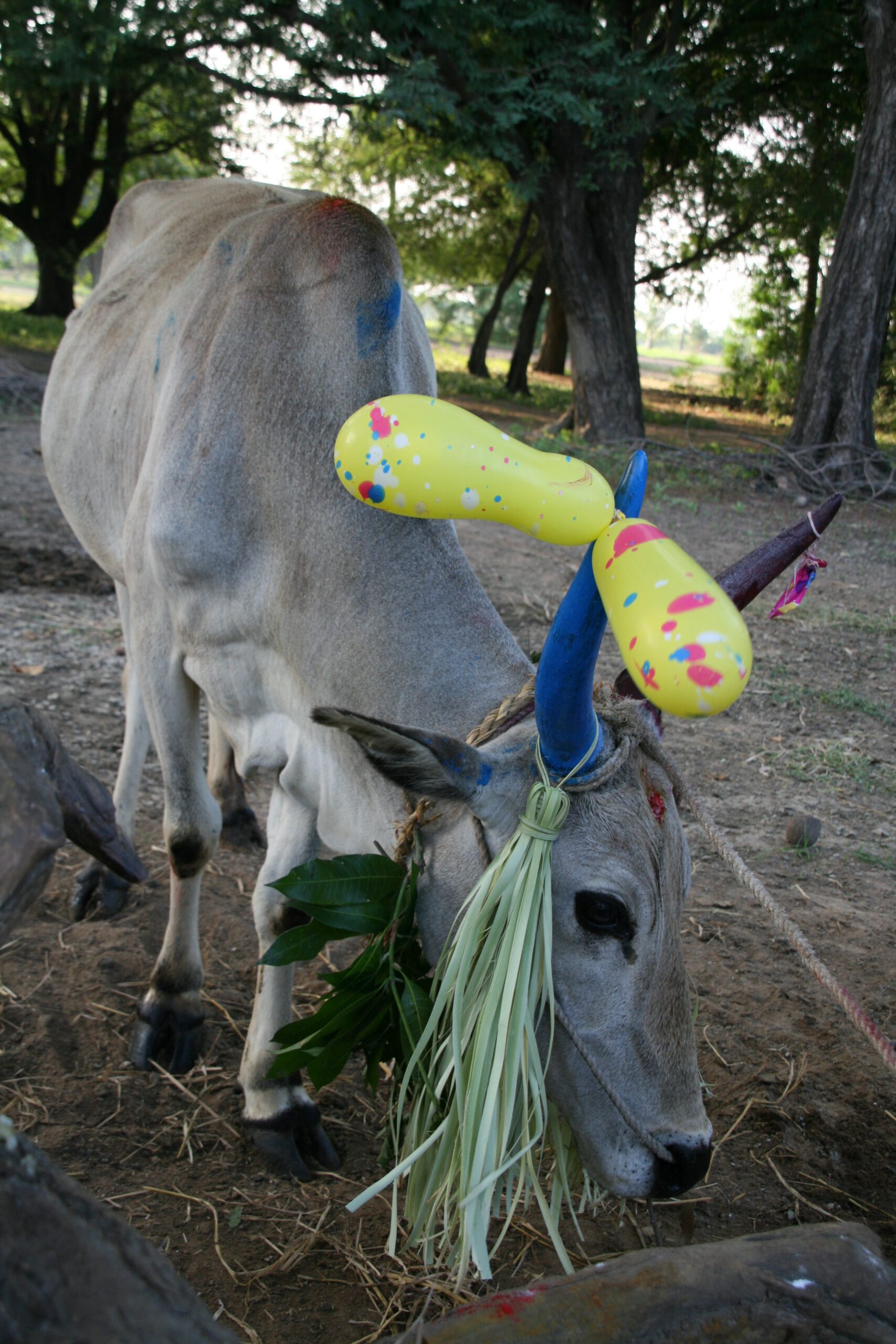
4. Kaanum Pongal — families gather by the rivers; men try to seize the banknotes tied to the oxen’s horns. The festival opens the Uttarāyaṇa, the favourable six-month period.

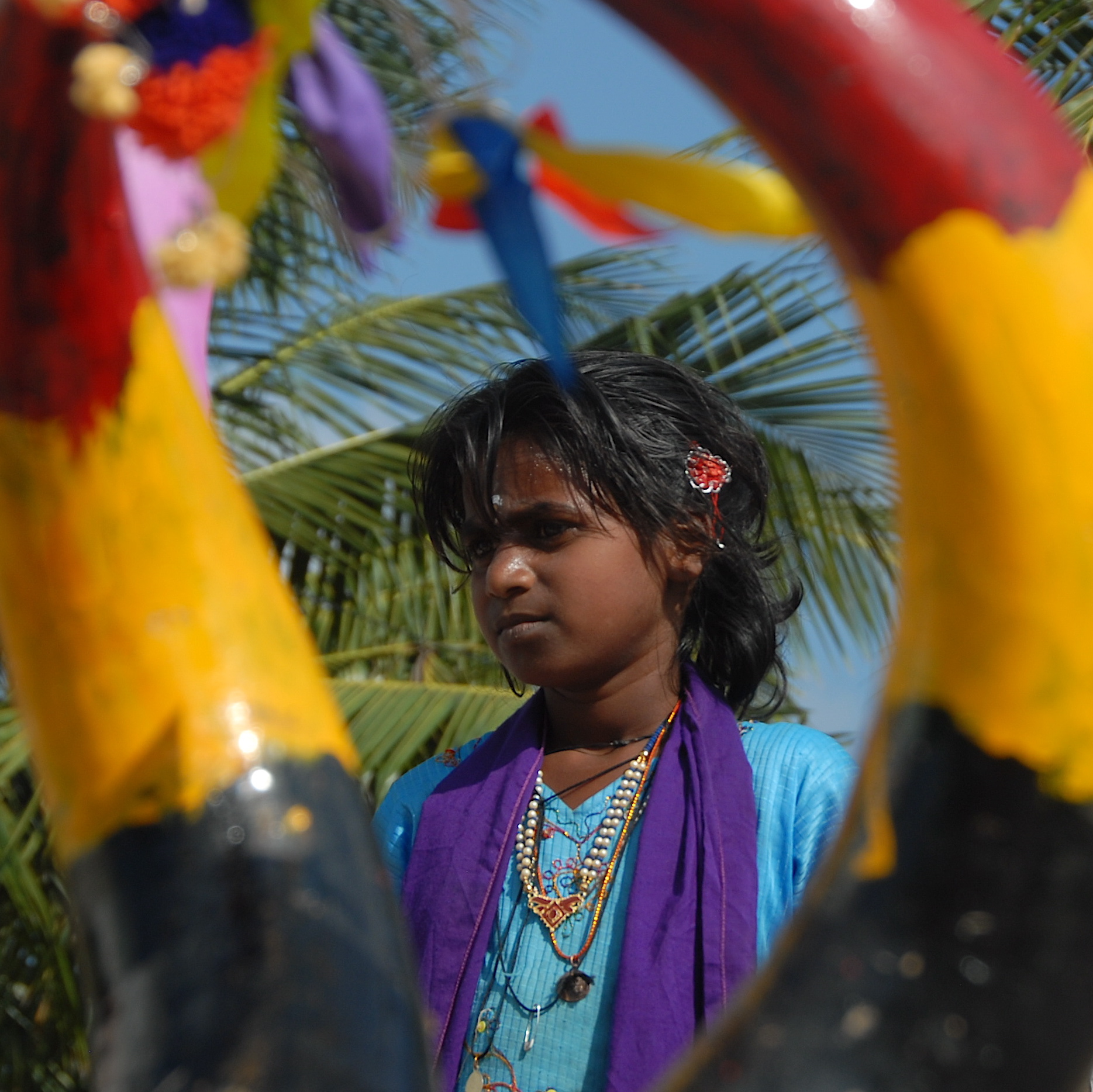
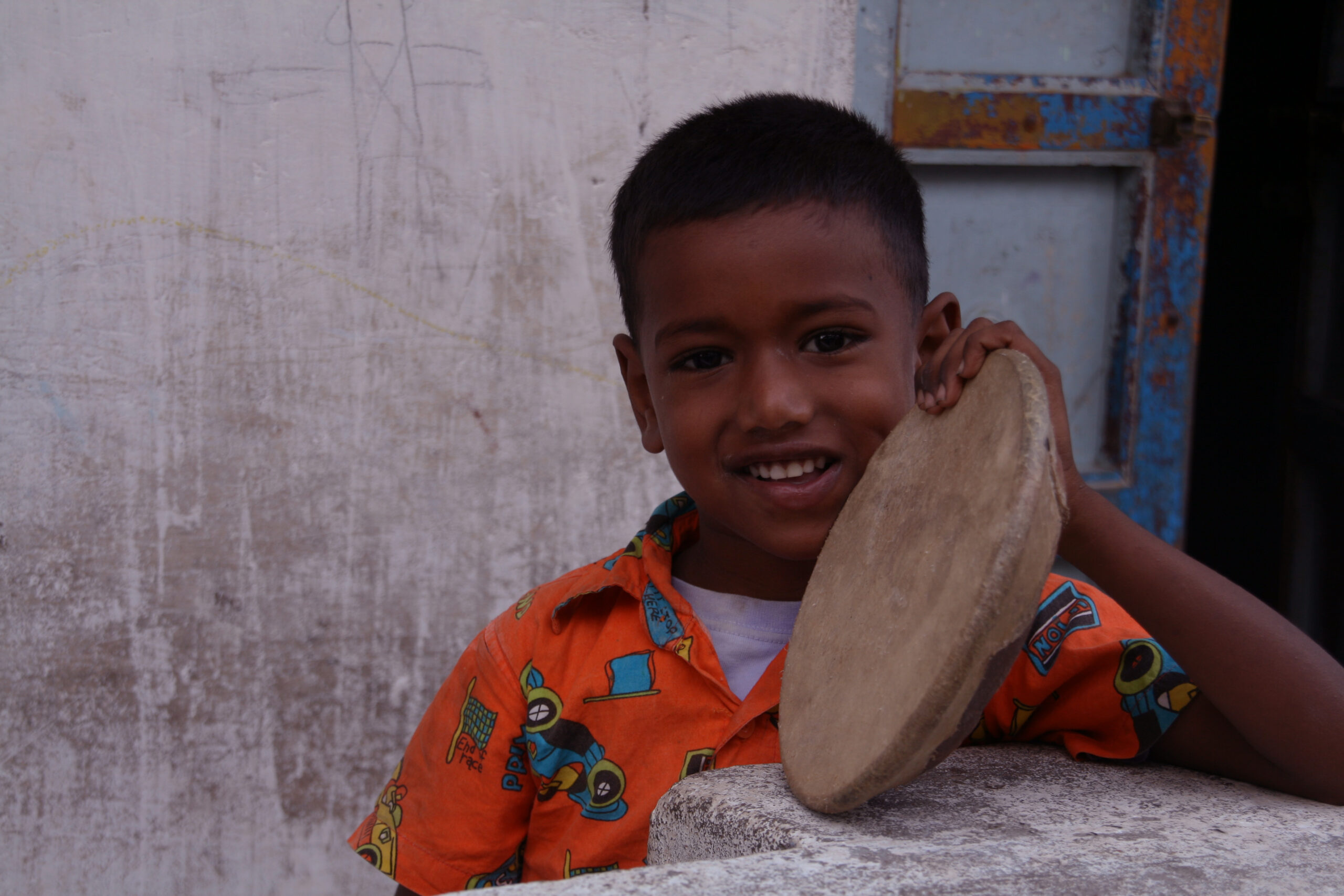
At Mahābalipuram, during an Ashtanga Yoga session in January, you can take part in these festivities: the Tourism Office arranges a visit to a traditional village each year. Om Shanti.